

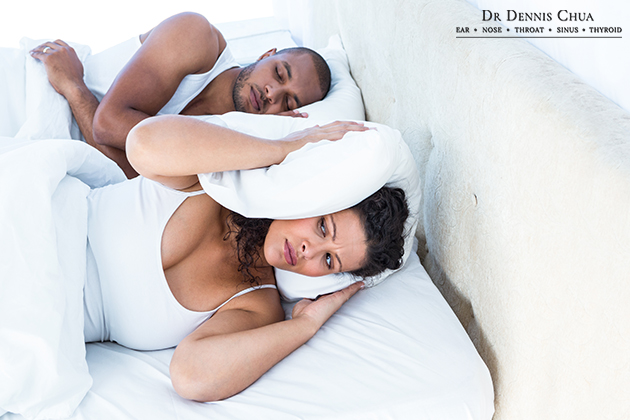
Sleep apnea occurs when your breathing stops and begins while you slumber. It is undeniably a severe sleep disorder as it may lead to serious problems such as high blood pressure and heart trouble, if left untreated. At the initial stage, sleep apnea may cause daytime tiredness, loud snoring and other negative impacts on your health. Some common signs and symptoms of sleep apnea are listed as below:
- Restlessness while sleeping
- Loud snoring
- Fatigue during the day
- Dry mouth or sore throat when you wake up
- Mood changes such as depression or anxiety
There are three types of sleep apnea: obstructive sleep apnea (OSA), central sleep apnea (CSA) and complex sleep apnea syndrome. Treatment typically depends on the severity of the condition. While surgery is sometimes necessary, many people can manage their sleep apnea with lifestyle changes.
For mild cases of sleep apnea, lifestyle remedies are often the first step in treatment. These adjustments can help reduce the frequency of breathing interruptions during sleep, improve oxygen flow, and support better overall health. While they may not completely eliminate sleep apnea, they can significantly ease symptoms and improve the quality of life.
1. Maintain a Healthy Weight
Being overweight is one of the strongest risk factors for obstructive sleep apnea. Extra fat deposits around the neck and throat can narrow the airway, making it more likely to collapse during sleep. Even a modest weight loss can reduce the severity of symptoms, snoring, and the number of breathing pauses at night. In some cases, weight reduction may even resolve mild sleep apnea entirely.
Tip: Pair a balanced diet with regular exercise. Many patients notice improvement after losing 5–10% of their body weight.
2. Quit Smoking and Limit Alcohol Intake
Smoking irritates and inflames the airways, which can worsen breathing problems at night. Alcohol, especially when consumed before bedtime, relaxes the throat muscles too much, leading to more frequent airway blockages. Both habits increase the risk of snoring and sleep apnea episodes.
Tip: Try reducing alcohol consumption in the evenings and seek support groups or medical advice if you need help quitting smoking.
3. Adjust Your Sleeping Position
Many people with sleep apnea find that symptoms worsen when lying on their back (a position known as supine sleep). This posture allows the tongue and soft palate to fall back and block the airway. Sleeping on your side helps keep the airway open and reduces the chances of obstruction.
Tip: You can use a body pillow, positional therapy device, or even place a tennis ball in the back of your sleepwear to discourage back-sleeping.
4. Exercise Regularly
Regular physical activity not only helps with weight control but also strengthens the respiratory and cardiovascular systems. Aerobic exercise, yoga, and breathing-focused activities can improve oxygen flow and reduce daytime sleepiness caused by sleep apnea. Some studies suggest that exercise may lessen sleep apnea severity even without significant weight loss.
Tip: Aim for at least 30 minutes of moderate exercise (like brisk walking or cycling) most days of the week.
5. Maintain a Consistent Sleep Schedule
Irregular sleep patterns can worsen fatigue and make it harder for your body to adjust to restful sleep cycles. By sticking to a consistent bedtime and wake-up routine, your sleep becomes more restorative, which reduces the impact of mild sleep apnea.
Tip: Avoid caffeine or heavy meals before bedtime, and create a calming pre-sleep routine to improve sleep hygiene.
6. Manage Nasal Congestion and Allergies
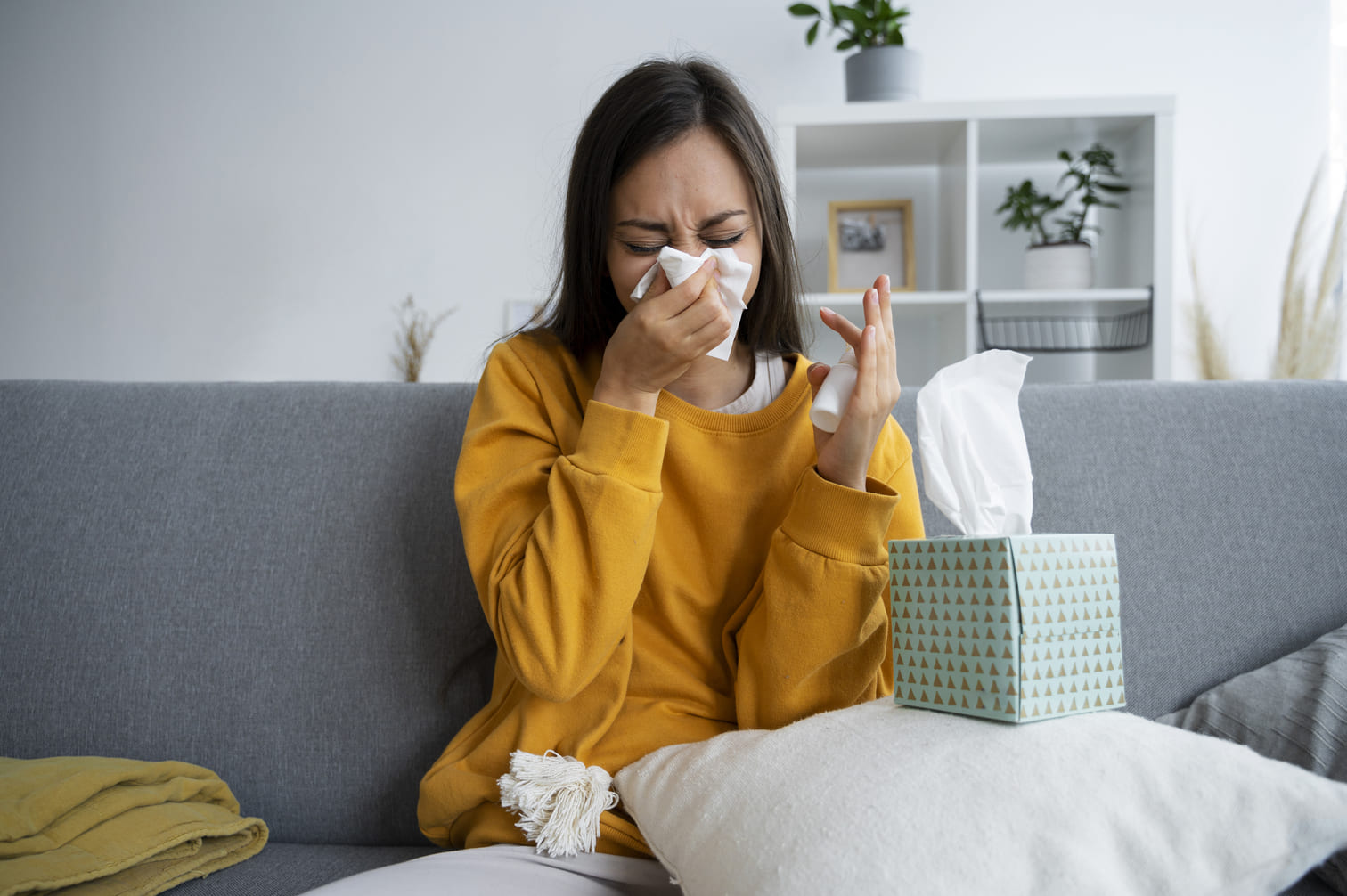
Nasal obstruction can contribute to sleep apnea symptoms by making it harder to breathe comfortably through the nose. Addressing underlying sinus issues or allergies with saline sprays, nasal strips, or prescribed treatments may improve airflow during sleep.
Tip: If you frequently wake up congested, consult an ENT specialist to rule out chronic sinusitis or nasal polyps, which may worsen sleep apnea.
7. Limit Sedative Use
Certain medications, such as sleeping pills and sedatives, relax throat muscles and may worsen sleep apnea episodes. If you are prescribed these medications, discuss with your doctor whether alternatives are available.
While lifestyle remedies are highly beneficial for mild sleep apnea, they are usually not enough for moderate to severe cases. In such situations, medical treatments such as CPAP therapy or other interventions may be necessary.
3 Ways Sleep Apnea Treatment Can Enhance Your Quality of Life
1. Better sleep quality
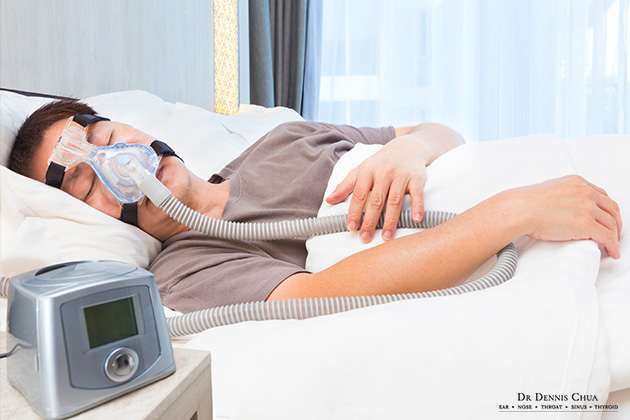
With proper treatments such as the use of a Continuous Positive Airway Pressure (CPAP) machine, your sleep quality will be improved. The therapy prevents the airway from collapsing during sleep by quietly delivering pressurised air to the nose and back of the throat. It also ensures you receive the oxygen you require for optimal function. With the positive airway pressure, less respiratory issues will occur. This allows your body to breathe easily all night, contributing to better rest, and more energy during the day.
Learn more: Health Risks of Snoring: When is it Time to Get Treatment?
2. Lower risk of diseases
Sleep apnea is often linked to higher chances of health problems. According to most specialists, the sleeping disorder should be taken seriously to avoid more severe illnesses, or worse, fatality. There are many sleep apnea treatments to choose from in Singapore. Read on to find out how these treatments help in treating certain diseases.
- Decrease the risk of cancer
Studies found that those who have sleep apnea tend to have a higher chance of getting cancer. The most commonly diagnosed cancers were prostate, lung, colorectal and breast. Sleep apnea treatments will help lower this possibility.
- Decrease the risk of heart problems & stroke
Hypertension is more likely to occur in those with a significant number of sleep disturbances compared to those without any. Sleep apnea treatments can resolve the incidence by ensuring a lower risk of a blocked blood vessel.
- Better management of diabetes
Those with diabetes and untreated sleep apnea may not have a good control of their blood sugar. By undergoing sleep apnea treatments in Singapore, insulin resistance of diabetes patients can be improved, ensuring a good control of diabetic conditions.
3. Improved mental wellbeing
The severity of sleep disturbances is proportional to the risk of depression. With sleep apnea treatments, you will experience less sleep disturbances, leading to quality sleep and zero fatigue.
A CPAP machine and other sleep apnea treatments are helpful in improving your quality of life, as explained above. However, it is still recommended to consult your doctor about your sleep concerns to get the best therapy for your sleeping disorder.
When is Surgery Needed for Sleep Apnea?
Surgery may be considered when:
-
Lifestyle remedies and medical therapies (such as CPAP or oral appliances) are ineffective or poorly tolerated.
-
Structural issues such as enlarged tonsils, nasal blockages, or a deviated septum obstruct breathing.
-
Severe obstructive sleep apnea persists despite other therapies.
Common surgical procedures include uvulopalatopharyngoplasty (UPPP), nasal surgery, and jaw repositioning surgery. These are usually recommended only after conservative treatments have been explored.
Take Control of Your Sleep Health
Sleep apnea is a serious but manageable condition. From lifestyle adjustments to advanced treatments, effective options are available to restore your quality of life.
At ENT Surgeons, our ENT specialists provide comprehensive care for nose, sinus, and breathing disorders. If you suspect you may have sleep apnea, contact us today to book an appointment and receive a personalised treatment plan.

 ENT Surgeons Medical Centre