

- Home >
- Adult & Kids ENT >
- Nose Bleeds
Nose Bleeds
What is a Nose Bleed (Epistaxis)?
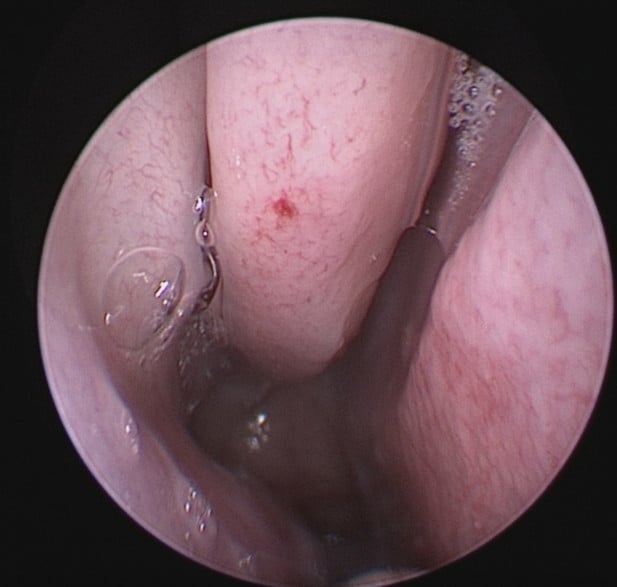
A nose bleed, medically known as epistaxis, refers to bleeding from the tissues inside the nose. While often harmless and self-limiting, frequent or severe nosebleeds may signal an underlying ENT condition that requires professional care.

Types of Nose Bleeds
There are two main types of nosebleeds, depending on where the bleeding originates:
Anterior Epistaxis
- Most common type, originating from the front part of the nose (Little’s area).
- Typically mild and easy to manage.
Posterior Epistaxis
- Less common but more serious. Bleeding comes from deeper vessels in the back of the nose.
- Often seen in older adults or patients with high blood pressure.

What Causes Nose Bleeds?
Nose bleeds can result from various factors, some external and others medical:
- Trauma: Most common cause, especially from nose picking or blowing the nose forcefully.
- Allergic Rhinitis: Chronic inflammation weakens nasal lining, making it prone to bleeding.
- Dry or Humid Environments: Singapore’s alternating air-conditioned and humid settings can dry out or irritate nasal membranes.
- Infections: Sinus infections or upper respiratory tract infections can inflame nasal tissues.
- Medications: Blood thinners (e.g. aspirin, warfarin) increase bleeding risk.
- Nasal sprays: Overuse of decongestant sprays can dry and damage the lining.
- High Blood Pressure: Increases risk of spontaneous bleeding.
- Structural issues: Deviated septum or nasal polyps may contribute to frequent bleeds.
Symptoms of a Nose Bleeds
Nose bleeds are usually easy to identify, but certain signs may indicate a more serious condition:
Visible bleeding from one or both nostrils
Blood dripping into the throat (posterior bleeds)
Light-headedness or dizziness
Nasal congestion following a bleed
Frequent nose picking or irritation preceding the episode
Risk Factors
Certain habits, health conditions, and environmental factors may make someone more prone to nosebleeds:
Dry or air-conditioned environments
Allergies or allergic rhinitis
Frequent nose blowing or picking
Use of blood-thinning medications
-
Smoking
-
Age (elderly have more fragile nasal blood vessels)
-
Pre-existing nasal or sinus conditions
Book an appointment with Dr Dennis Chua for proper evaluation and treatment of recurring nose bleeds.
Diagnosis of Nose Bleeds
Dr Dennis Chua will conduct a detailed examination to determine the cause and severity of the nosebleeds. This may include:
Nasal endoscopy to identify bleeding points
- Medical history review including allergies, medications, and trauma
Blood pressure checks and coagulation tests (if needed)
Imaging (rarely needed unless structural problems or tumours are suspected)
Treatment of Nose Bleeds
Treatment depends on the severity and underlying cause.
Conservative Management
- Apply pressure to the soft part of the nose for 10–15 minutes
- Tilt head forward (not backward) to avoid swallowing blood
- Ice packs on the nose and forehead can reduce bleeding
In-Clinic Options
- Nasal cauterisation using silver nitrate to seal off bleeding vessels
- Nasal packing or absorbable sponges to stop active bleeding
- Topical creams or nasal ointments to promote healing in fragile nasal lining
Surgical Intervention
For recurrent or severe posterior bleeds:
- Endoscopic ligation of bleeding vessels
- Correction of structural issues such as septoplasty (for deviated septum)
Dr Dennis Chua
Consultant ENT Specialist in Singapore
MRCS (Edinburgh), MMed (ENT), FAMS (ENT)
Dr Dennis Chua is a USA Fellowship-trained ENT specialist and Facial Plastic Surgeon with over 20 years of experience. He treats adults and children for a wide range of ENT conditions, including sinus and nasal disorders, allergies, snoring, ear infections, hearing loss, and thyroid or voice-related issues. A former Chief of Facial Plastic Surgery at Tan Tock Seng Hospital, Dr Dennis Chua is highly experienced in complex nose and sinus cases and serves as a Visiting Consultant at KK Women’s & Children’s Hospital.

Frequently Asked Questions
Are frequent nosebleeds normal in Singapore’s climate?
Singapore’s humid yet often air-conditioned environment can dry the nasal lining, making nosebleeds more common, especially in allergy sufferers.
When should I see an ENT doctor for a nosebleed?
If your nosebleeds are frequent, heavy, last longer than 10 minutes, or recur without obvious cause, consult an ENT specialist for evaluation.
Can children get nosebleeds from allergies?
Yes, allergic rhinitis in children can irritate the nasal lining and lead to frequent nosebleeds.
Will a nosebleed stop on its own?
Most anterior nosebleeds do stop on their own with first aid. However, recurrent or posterior bleeds need professional treatment.
Other Related Articles
Contact Form
Feel free to contact, We are more than happy to assist you! We will get back to you as soon as possible.
 ENT Surgeons Medical Centre