

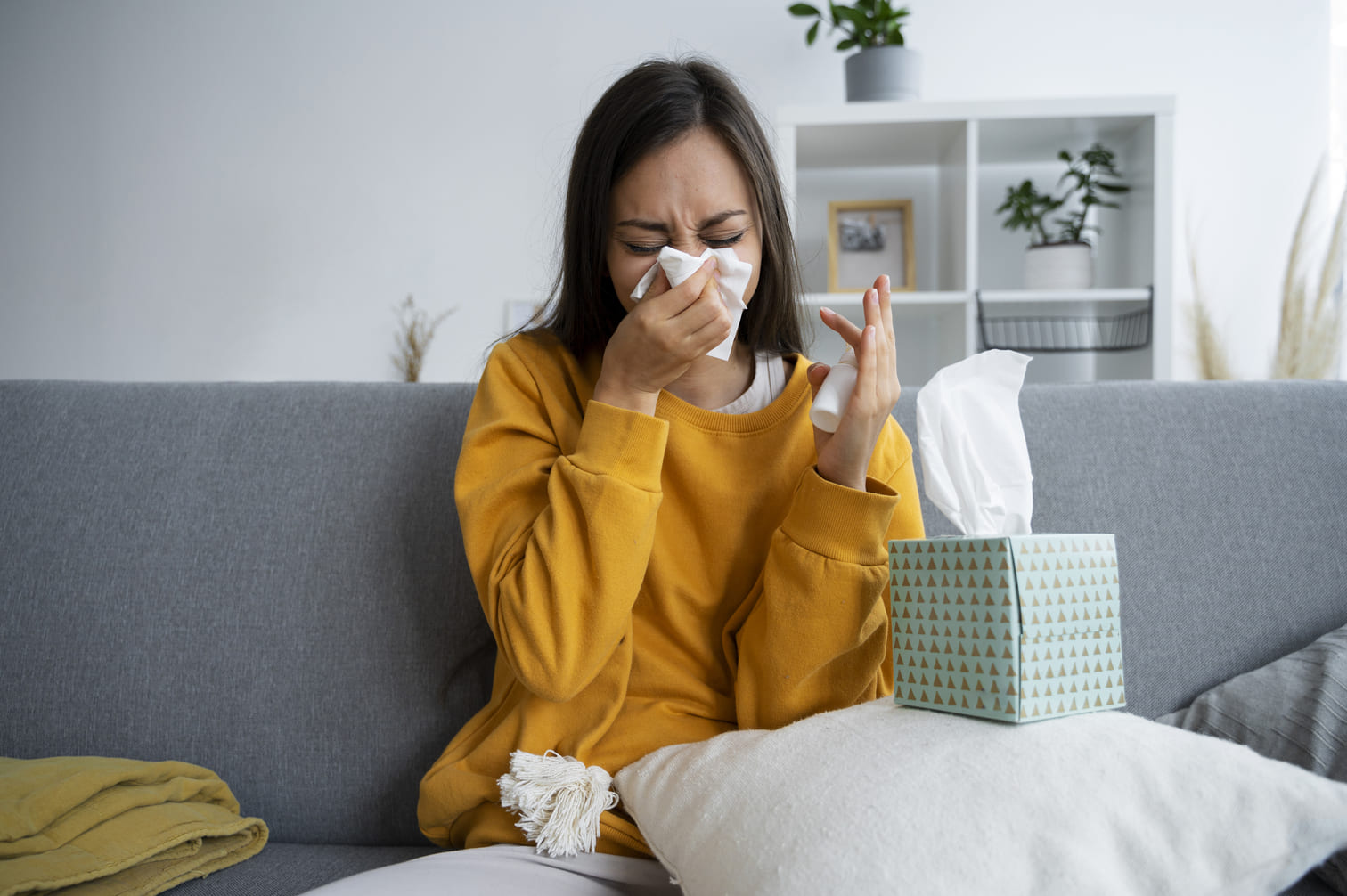
Allergic rhinitis (AR) occurs when the immune system reacts to airborne allergens such as dust mites, pollen, mould, or pet dander. AR results from immunoglobulin E (IgE)-mediated inflammation of the nasal mucosa, which triggers symptoms such as pruritus (nasal itching), sneezing, rhinorrhea (runny nose), and nasal congestion.In Singapore’s warm and humid climate, house dust mites are one of the most frequent triggers of allergic rhinitis.
Although medical treatments such as antihistamines or nasal sprays are often prescribed, many people also look for natural ways to relieve allergic rhinitis symptoms at home. The following approaches may help improve breathing comfort and support overall nasal health.
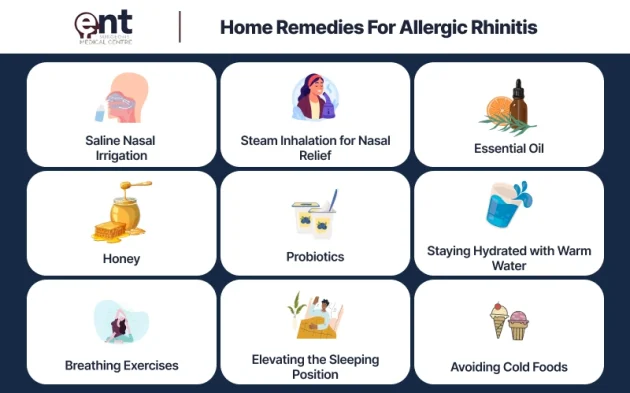
Key Takeaways
- Allergic rhinitis is a common condition in Singapore, often triggered by dust mites, pollen, or environmental allergens.
- Natural remedies such as saline nasal irrigation, steam inhalation, and warm fluids may help relieve symptoms like nasal congestion and postnasal drip.
- Lifestyle adjustments, including breathing exercises, regular physical activity, and reducing allergen exposure at home, may support better respiratory health.
- Essential oils and dietary habits may provide additional comfort for some individuals, but they should be used carefully.
- While home remedies can help manage symptoms, persistent or severe allergic rhinitis should be evaluated by an ENT specialist for proper diagnosis and treatment.

1. Nasal Irrigation with Saline
One of the most widely recommended natural methods for relieving allergy symptoms is saline nasal irrigation. This involves rinsing the nasal passages with a gentle saltwater solution using a neti pot, squeeze bottle, or saline spray device.
The saline solution helps wash away allergens such as dust, pollen, and other irritants that may be trapped inside the nasal passages. By clearing these particles, nasal irrigation can reduce inflammation, thin thick mucus, and ease congestion. Many people experience noticeable relief in breathing after performing a rinse.
For safety, it is important to prepare the saline solution using distilled, sterile, or previously boiled and cooled water. Regular nasal rinsing may help prevent allergen buildup and keep nasal passages moist, making it a useful addition to daily allergy management.

2. Steam Inhalation for Nasal Relief
Steam inhalation is another simple home remedy that may help reduce nasal congestion and irritation caused by allergic rhinitis. Breathing in warm, moist air can soothe the lining of the nasal passages and loosen thick mucus that may be causing blockage.
This can be done by inhaling steam from a bowl of hot water while covering your head with a towel to trap the steam, or by taking a warm shower and breathing in the humid air. The heat and moisture help improve airflow through the nose and may provide temporary relief during allergy flare-ups.
Some individuals choose to add a few drops of essential oils, such as eucalyptus or peppermint oil, to the steam for additional comfort. However, these oils should always be used sparingly and with caution.

3. Using Essential Oils Carefully
Certain essential oils are believed to provide temporary relief from nasal blockage and irritation. Oils such as eucalyptus, peppermint, lavender, tea tree, and lemon oil are commonly used for their aromatic and soothing properties.
When added to steam inhalation, eucalyptus or peppermint oil may help open the airways and make breathing feel easier. Lavender oil is often associated with relaxation and may help improve sleep quality when allergies disrupt rest. Tea tree oil has antimicrobial properties that may help reduce airborne allergens in indoor environments, while lemon oil is sometimes used to support immune health.
Despite their popularity, essential oils should always be used with care. They should not be applied directly to the nasal passages or skin without proper dilution. Individuals with sensitive skin or existing allergies may wish to consult a healthcare professional before incorporating essential oils into their routine.

4. Staying Hydrated with Warm Water
Maintaining proper hydration is essential for healthy nasal passages. Drinking warm or lukewarm water throughout the day may help thin mucus and promote better sinus drainage.
Warm fluids can also soothe throat irritation caused by postnasal drip and keep the respiratory tract moist. Some individuals may find it helpful to reduce excessive tea or coffee consumption, as caffeine may contribute to dehydration in certain cases.

5. Drinking Honey or Turmeric in Warm Water
Drinking warm liquids may help relieve throat irritation caused by postnasal drip, which is a common symptom of allergic rhinitis. A simple home remedy that some individuals find helpful is mixing honey or turmeric powder into warm water.
Honey is known for its natural soothing properties and smooth texture, which may help calm throat irritation and reduce discomfort caused by constant mucus drainage. Meanwhile, turmeric contains curcumin, a natural compound with anti-inflammatory properties that may support the body’s response to inflammation.
Consuming warm water with honey or turmeric may also help thin mucus and keep the airways moist, making breathing more comfortable during allergy flare-ups. While this remedy is not a replacement for medical treatment, incorporating warm drinks into your daily routine may complement other natural approaches to managing allergic rhinitis symptoms.

6. Elevating Your Sleeping Position
Nasal congestion often becomes worse when lying flat, which can make breathing more difficult at night. Elevating your head slightly while sleeping may help improve airflow and reduce pressure in the nasal passages.
This can be achieved by using an extra pillow or adjusting the upper part of the bed to create a gentle incline. By improving nasal drainage and reducing congestion, this simple adjustment may help promote better sleep quality for individuals with allergic rhinitis.

7. Breathing Exercises and Lung Strengthening
Breathing exercises are sometimes recommended as part of a holistic approach to improving respiratory health. One example is pranayama, a controlled breathing technique used in yoga that focuses on slow and rhythmic inhalation and exhalation.
Practising breathing exercises under the guidance of a qualified yoga instructor may help strengthen the lungs, improve airflow through the nasal passages, and reduce stress, which can sometimes worsen allergy symptoms.
Regular activities that train breathing control may also be beneficial. Swimming is often recommended because it encourages deep, controlled breathing while strengthening the lungs. Some people even find that learning wind instruments such as the flute or mouth organ helps improve lung capacity through repeated airflow control.

8. Dietary Habits and Avoiding Cold Foods
Dietary habits may also influence how the body responds to allergies. Some individuals report that very cold foods such as ice cream or chilled desserts may worsen nasal congestion. Similarly, foods like yogurt or buttermilk may be more comfortable to consume when they are closer to room temperature rather than straight from the refrigerator.
While scientific evidence on this varies, many people find that limiting cold foods, particularly late at night, may help reduce irritation in the respiratory system. Choosing warm, freshly prepared foods may support better overall comfort during allergy episodes.

9. Include Probiotics in Your Diet
Probiotics, found in fermented foods such as yogurt and kimchi, may help support the immune system and reduce the severity of allergic reactions. Research shows that probiotics can calm down the body’s inflammatory response, helping the immune system react more appropriately to allergens instead of overreacting. They do this by encouraging the production of anti-inflammatory molecules and promoting a healthy balance of immune cells that prevent excessive allergic reactions.
Some probiotic strains, like Bifidobacterium and Lactobacillus, have been shown to help regulate key immune pathways, reduce inflammation, and improve the body’s response to allergens[1]. While probiotics are not a standalone treatment for allergic rhinitis, including them in a balanced diet may complement other natural strategies, supporting better respiratory and immune health over time.

10. Keeping Your Environment Allergen-Free
Environmental control is one of the most important long-term strategies for managing allergic rhinitis. Reducing exposure to allergens in the home can significantly lower the likelihood of symptom flare-ups.
Simple habits such as washing bedding regularly in hot water, using dust-mite-proof pillow and mattress covers, and vacuuming frequently with a HEPA filter may help reduce allergen levels indoors. Keeping pets out of the bedroom can also minimise exposure to pet dander. Creating a cleaner indoor environment can play a significant role in improving daily comfort for individuals with allergies.
When to See an ENT Specialist
While natural remedies may help relieve symptoms, they generally provide symptomatic relief rather than treating the underlying allergic condition. If symptoms persist despite home remedies, medical evaluation may be necessary.
You should consider consulting an ENT specialist if you experience persistent nasal blockage, frequent sinus infections, severe sneezing, or sleep disruption caused by allergies. An ENT doctor can perform diagnostic tests such as nasal endoscopy or allergy testing to identify the specific triggers responsible for your symptoms.
Medical treatments may include antihistamines, nasal steroid sprays, or allergy immunotherapy. In many cases, combining professional medical treatment with supportive lifestyle changes provides the most effective long-term management for allergic rhinitis.
If your symptoms continue to affect your quality of life, seeking advice from an ENT specialist can help you receive a personalised treatment plan tailored to your condition.
Reference:
- Lopez-Santamarina A, Gonzalez Gonzalez E, Lamas A, del Carmen Mondragon A, Regal P, Miranda JM. Foods. 2021 Apr;10(4):701: Probiotics as a Possible Strategy for the Prevention and Treatment of Allergies. A Narrative Review. doi:10.3390/foods10040701




 ENT Surgeons Medical Centre