

Overview of Services, Tests & Treatments
ENT specialists, also known as otolaryngologists, focus on conditions involving the ear, nose, and throat, as well as related areas of the head and neck. Our role involves managing both short-term symptoms and longer-term concerns that may affect hearing, breathing, balance, and voice function.
Common reasons to consult the specialist include:
- Ongoing nasal blockage or sinus issues
- Recurrent sore throats or hoarseness
- Blocked ears, changes in hearing, or tinnitus
- Snoring or disrupted sleep that may indicate sleep-related breathing issues
- Facial discomfort or pressure linked to sinus congestion
To assess these concerns, the doctors may perform various diagnostic procedures, such as:
- Nasal endoscopy to examine the nasal passages and throat
- Hearing tests like pure tone audiometry or tympanometry
- Allergy testing to explore environmental or dietary sensitivities
- Imaging referrals when internal views are needed to support diagnosis
Treatment options vary depending on the condition and may include medication, in-clinic procedures, or surgery. For example, ear blockages may be cleared through microsuction, while nasal structural issues such as a deviated septum may be reviewed for surgical management if they interfere with breathing.
We may also coordinate care with other professionals, including audiologists, speech-language therapists, or sleep physicians when additional input is needed. This approach supports comprehensive evaluation and management across related areas.
What to Expect at Your First Visit
Medical History & Physical Exam
Your first consultation typically begins with a detailed discussion of your symptoms and medical history. You may be asked about how long the symptoms have been present, whether they change throughout the day, and if anything seems to trigger or relieve them. Relevant lifestyle factors, past illnesses, and any previous treatments will also be reviewed.
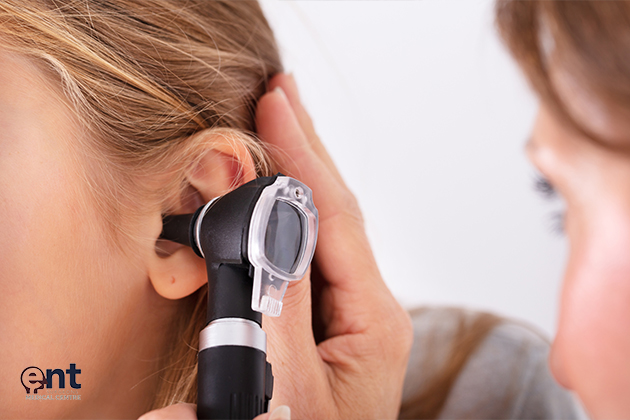
This is typically followed by a physical examination that focuses on the head and neck region. The doctor may use a lighted instrument to inspect the ears, nose, and throat and may gently feel the neck to check for swelling or other irregularities. These initial steps help form a baseline understanding of the issue.
Endoscopic Evaluation Process
If more detailed visualisation is needed, we may carry out an endoscopic examination. This involves inserting a thin, flexible tube with a camera into the nasal passages or throat. The process is typically done in the clinic and allows the doctor to closely observe the internal structures in real time.
Before the endoscope is used, a numbing spray may be applied to make the procedure more comfortable. The endoscopy itself is usually brief, and most people are able to resume their day as usual after the consultation.
This evaluation enables the specialist to assess areas that are not easily visible during a standard examination, which can be helpful in identifying inflammation, obstructions, or other underlying conditions that may be contributing to the symptoms.
Diagnostic Services Offered
Hearing & Balance Tests (Audiometry, Vestibular)
For individuals experiencing hearing loss, tinnitus, or balance issues, the specialists may recommend a range of hearing and vestibular assessments. Pure tone audiometry measures hearing thresholds across different frequencies, while tympanometry evaluates middle ear function. In cases involving dizziness or unsteadiness, vestibular tests may be used to examine the inner ear’s role in balance regulation.
These assessments help determine the nature and extent of any auditory or balance-related concerns, guiding the next steps in management.
Nasal & Laryngeal Endoscopy
Endoscopic evaluation is commonly used to examine the nasal passages, throat, and voice box in greater detail. A small, flexible scope with a light and camera is gently inserted through the nose, allowing the specialist to assess areas such as the nasal cavity, sinuses, vocal cords, and surrounding structures.
This procedure is typically performed in the clinic and can help identify conditions such as inflammation, growths, or structural narrowing that may not be visible during a standard examination.
Imaging: CT / MRI Use Cases
Imaging studies, such as CT scans or MRI, may be recommended when a more comprehensive view of the internal anatomy is required. CT scans are useful for evaluating the sinuses, middle ear, or bony structures, while MRI can provide detailed images of soft tissues in the head and neck region.
These imaging tools are used selectively, depending on the individual’s symptoms, history, and physical findings, and may support diagnosis in more complex or persistent cases.
Non-Surgical Treatments
Medication Protocols (Steroids, Antibiotics)
Medication is often the first approach for managing many ENT-related conditions. Depending on the diagnosis, this may include nasal steroid sprays for inflammation, antihistamines for allergy-related symptoms, or antibiotics for bacterial infections such as sinusitis or tonsillitis. Short courses may be used to manage flare-ups, while longer-term treatment plans could be considered for recurring issues.
All prescriptions are based on individual clinical assessments, taking into account symptom severity, underlying causes, and medical history.
Allergy Management & Immunotherapy
For individuals with allergic rhinitis or other upper airway sensitivities, effective allergy management is crucial. This may involve environmental adjustments, oral antihistamines, or intranasal sprays to help control symptoms. In select cases, allergy testing may be conducted to identify specific triggers.
Immunotherapy, which involves gradual exposure to allergens through drops or injections, may be discussed as a longer-term strategy for certain individuals when symptoms persist despite conventional treatment.
Voice & Swallowing Therapy
Issues related to voice quality, vocal strain, or swallowing difficulties may be addressed with support from allied professionals such as speech-language therapists. Therapy typically involves guided exercises and behavioural strategies designed to reduce vocal stress, improve clarity, or restore safe swallowing function.
These sessions are tailored to the individual’s needs and can be used alone or in conjunction with other forms of treatment. For example, therapy may be recommended following an episode of vocal cord inflammation or as part of rehabilitation after surgery.
Surgical Procedures Performed
Common Office Procedures (Grommet Insertion, Balloon Sinuplasty)
Some ENT procedures can be performed in the clinic setting without the need for hospital admission. Grommet insertion, often used for persistent middle ear fluid or recurrent ear infections, involves placing a small ventilation tube in the eardrum to facilitate drainage and pressure regulation.
Balloon sinuplasty is another minimally invasive option that may be offered to individuals with chronic sinus blockage. A small balloon is inserted into the sinus opening and gently inflated to widen the passage, improving drainage while preserving surrounding structures. These procedures are generally completed under local anaesthesia and have shorter recovery times.
Major Surgeries (FESS, Tonsillectomy, Sleep Apnoea-Related Procedures)
For more complex conditions, surgery under general anaesthesia may be recommended. Functional endoscopic sinus surgery (FESS) is commonly performed for individuals with chronic sinusitis that does not respond to medical treatment. It involves using a thin camera and specialised instruments to remove obstructions and restore normal sinus drainage.
Tonsillectomy may be considered for those with frequent tonsil infections or persistent airway obstruction due to enlarged tonsils. Similarly, sleep apnoea-related procedures may involve reducing tissue volume in the airway or correcting structural issues contributing to breathing difficulties during sleep.
All surgical decisions are based on a careful review of symptoms, examination findings, and the individual’s overall health.
Post-Procedure Care & Outcomes
Rehabilitation & Speech Therapy
Depending on the procedure and the area treated, some individuals may be referred for rehabilitation or speech therapy as part of their recovery. For example, after voice-related interventions or throat surgery, speech therapy can support the return of normal vocal function and reduce strain during speaking or swallowing.
These sessions are personalised to address specific needs, and progress is usually monitored over several appointments. The goal is to support a safe and steady return to everyday activities while preventing complications or long-term strain.
Follow-Up Exams & Monitoring
Routine follow-up is an integral part of care after any ENT procedure. The first review typically occurs within a few days to a few weeks, depending on the type of treatment. During these visits, the specialist will assess the healing process, address any lingering symptoms, and adjust the treatment as necessary.
Further monitoring may be advised in cases involving long-term conditions or when there is a need to track recovery progress over time. Imaging, hearing tests, or repeat endoscopies may be scheduled as part of this process. Clear communication during follow-up ensures that any concerns are identified early and addressed appropriately.
Conclusion
Summarising ENT Services’ Impact
ENT care supports essential functions, including hearing, breathing, balance, and voice. Whether it involves managing allergies, treating sleep-related issues, or addressing structural concerns, ENT services offer a structured approach to diagnosing and managing a wide range of conditions.
With access to clinical assessments, diagnostic tools, non-surgical options, and procedural care, we helped you to identify the cause of their symptoms and determine suitable next steps.
How to Choose the Right Procedure
The decision between medical management, therapy, or surgery is shaped by the nature of the condition, symptom progression, and diagnostic findings. Consult Dr. Dennis Chua now for a detailed review of available options and an explanation of what each treatment may involve.
This process supports informed decision-making and helps individuals align their care plans with personal needs and health priorities.




 ENT Surgeons Medical Centre