

- Home >
- Adult & Kids ENT >
- Tonsil Stones
Tonsil Stones
What Are Tonsil Stones?
Tonsil stones, medically known as tonsilloliths, are calcified debris that accumulate in the folds (crypts) of the tonsils. These small masses often consist of dead cells, food particles, mucus, and bacteria that get trapped and harden over time.
In Singapore’s humid climate, the risk of developing throat and respiratory issues, including tonsil stones, can be higher. The warm environment may contribute to increased bacterial growth and mucus production, creating favorable conditions for the formation of tonsil stones.
While tonsil stones can vary in size, some individuals may experience huge tonsil stones that cause noticeable swelling or discomfort. In certain cases, they may appear as dark brown tonsil stones, especially if blood pigments or bacteria are present.
If you notice persistent bad breath despite proper oral hygiene, it may be time to check for tonsil stones as the underlying cause.

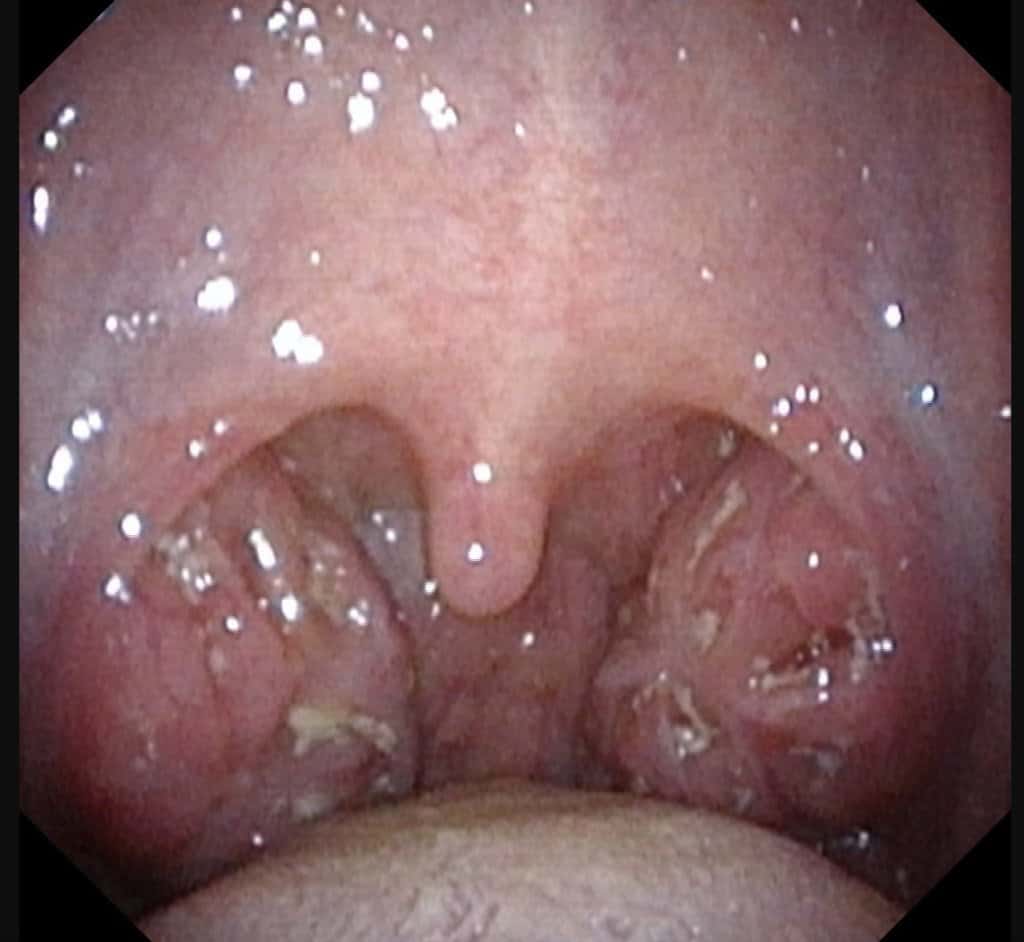
How Do Tonsil Stones Form?
Tonsil stones develop when the tonsil crypts trap organic material that fails to clear naturally. Over time, bacteria break down this trapped debris, leading to calcification and stone formation.
Several factors increase the likelihood of tonsil stones formation, including:
- Poor oral hygiene
- Chronic tonsillitis or inflammation
- Postnasal drip and mucus buildup
- Dry mouth (reduced saliva flow)
- Smoking or dehydration
Because tonsil stones form deep within the tonsil tissue, they often persist or reappear even with good oral care.
Tonsil Stones Symptoms
Tonsil stones symptoms can vary depending on size and location. Common signs include:
Persistent bad breath (halitosis)
Sore throat or irritation when swallowing
A feeling of something stuck in the throat
White, yellow, or dark brown tonsil stones visible on the tonsils
Ear pain or discomfort
Chronic cough, or coughing out tonsil stones unexpectedly
Smaller stones may go unnoticed, but larger or huge tonsil stones can cause significant discomfort or infection if left untreated.
When to See a Specialist
You should seek medical advice if you experience:
Persistent sore throat or tonsil discomfort
Recurrent bad breath
Difficulty swallowing
Visible tonsil stones symptoms that do not resolve
Repeated episodes of coughing out tonsil stones
An ENT specialist can perform a thorough examination using a nasoendoscope to confirm the diagnosis and recommend treatment options, including tonsil stone removal or tonsillectomy if necessary.
Book an Appointment
Book a consultation with Dr Dennis Chua for evaluation and safe management of tonsil stones in Singapore. Early assessment can prevent recurrence and help you restore lasting comfort and confidence in your oral health.
Diagnosis of Tonsil Stones
Diagnosis of tonsil stones begins with a focused history and clinical examination:
History
Ask about bad breath, throat irritation, frequent postnasal drip, episodes of coughing out tonsil stones, or recurrent sore throat — these are common tonsil stones symptoms.
Visual inspection
A throat exam with good lighting or a tongue depressor often reveals white, yellow or dark brown tonsil stones in the tonsil crypts. Large or huge tonsil stones may be obvious on inspection.
Nasoendoscopy
A flexible nasoendoscope provides a close view of the tonsil crypts and surrounding tissue and helps identify deep-seated stones not visible on routine exam.
Throat swab / microbiology
If there are signs of acute infection (pus, fever), a swab can identify bacterial causes and guide antibiotic therapy.
Differential diagnosis
The clinician will exclude other causes of halitosis or throat lumps (e.g., tonsillitis, foreign body, or neoplasm).
Treatment
Treatment depends on the size of the tonsil stones, severity of symptoms, and recurrence.
1. Home Care
- Good oral hygiene: Brush and floss regularly to prevent debris buildup.
- Gargling: Use saltwater or antiseptic mouthwash to help dislodge small stones and freshen breath.
- Hydration: Drinking plenty of water and chewing sugar-free gum helps prevent new stones.
- Gentle removal: Small stones may be dislodged carefully at home, but avoid deep probing that can injure the tonsils.
2. In-Clinic Treatments
- Professional removal: An ENT specialist can safely extract stones using micro-instruments or suction under good lighting.
- Medication: Antibiotics may be prescribed if there is infection or inflammation.
3. Advanced Procedures
- Tonsillectomy: For recurrent or huge tonsil stones, a tonsillectomy provides a permanent solution. Learn more about the procedure in our detailed post on Tonsil Stone Removal.
Dr Dennis Chua
Consultant ENT Specialist in Singapore
MRCS (Edinburgh), MMed (ENT), FAMS (ENT)
Dr Dennis Chua is a USA Fellowship-trained ENT specialist and Facial Plastic Surgeon with over 20 years of experience. He treats adults and children for a wide range of ENT conditions, including sinus and nasal disorders, allergies, snoring, ear infections, hearing loss, and thyroid or voice-related issues. A former Chief of Facial Plastic Surgery at Tan Tock Seng Hospital, Dr Dennis Chua is highly experienced in complex nose and sinus cases and serves as a Visiting Consultant at KK Women’s & Children’s Hospital.

FAQs About Tonsil Stones
Why do tonsil stones smell?
Tonsil stones often have a strong, unpleasant odour because sulphur-producing bacteria thrive in the trapped debris. As these bacteria break down food particles and dead cells, they release volatile sulphur compounds (VSCs), creating a smell similar to rotten eggs. Persistent bad breath despite good oral hygiene may indicate the presence of tonsil stones.
Can tonsil stones come out on their own?
Yes, some people experience coughing out tonsil stones, especially when the stones are small or loose. However, repeatedly trying to remove them at home can irritate the tonsils and may not address the underlying cause.
How can I check for tonsil stones?
You can check for tonsil stones by looking in a mirror with good lighting. Small white, yellow, or dark brown tonsil stones may be visible in the tonsil crypts. If you have recurrent symptoms or cannot see the stones clearly, an ENT specialist can perform a professional examination.
What should I do about huge tonsil stones?
Huge tonsil stones may cause discomfort, pain, difficulty swallowing, or bad breath. It is recommended to consult an ENT specialist for safe removal. In some cases, a tonsillectomy may be considered for recurrent or large stones.
When is professional removal necessary?
If you frequently cough out stones, experience chronic bad breath, or have recurrent or huge tonsil stones, professional tonsil stone removal is advised. A specialist can safely remove the stones, reduce irritation, and prevent further infection.
 ENT Surgeons Medical Centre