

What Is Sinus Surgery?
Sinus surgery refers to procedures performed to open blocked sinus passages and restore normal drainage and airflow. When inflammation, anatomical issues, or persistent infections prevent the sinuses from functioning properly, surgical intervention may be considered to relieve discomfort and reduce recurrence of infections. In Singapore, sinus surgery is commonly offered to patients with chronic sinus conditions that do not respond to medication alone.
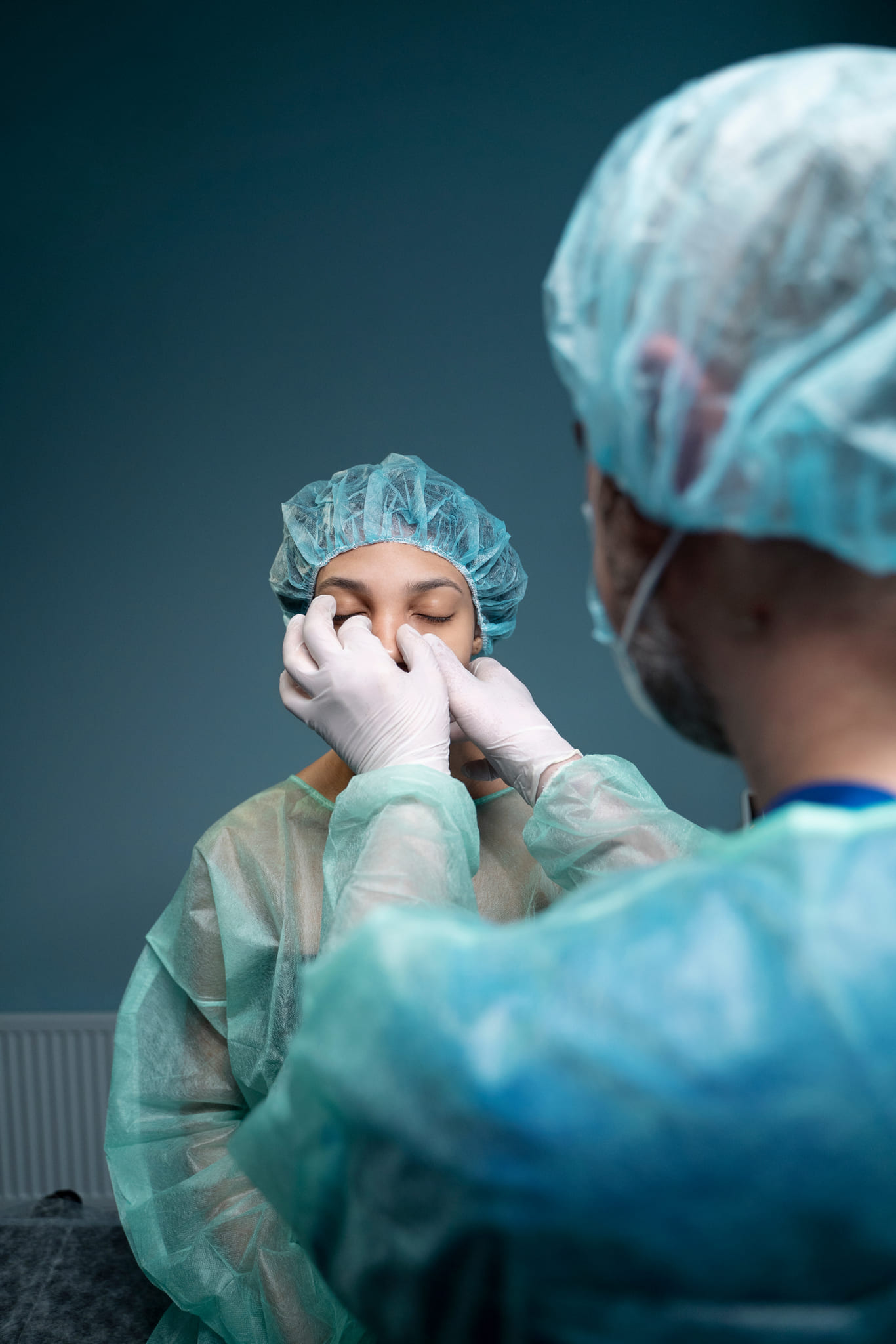
Types of Sinus Surgery
Functional Endoscopic Sinus Surgery (FESS)
FESS is a minimally invasive procedure where a small endoscope is inserted through the nostrils to provide visibility of the sinus openings. Specialised instruments are then used to remove obstructions such as polyps or inflamed tissue, while preserving normal structures. FESS is commonly performed in hospital settings under general anaesthesia.
Balloon Sinuplasty (BSP)
Balloon Sinuplasty involves inserting a small balloon catheter into the sinus opening, which is gently inflated to widen the drainage pathway. Unlike FESS, BSP does not involve cutting or tissue removal. It is generally performed under local anaesthesia in outpatient clinics and is suited for those with less severe blockage.
| Aspect | Functional Endoscopic Sinus Surgery (FESS) | Balloon Sinuplasty (BSP) |
|---|---|---|
| Invasiveness | Minimally invasive but involves tissue removal | Minimally invasive with no tissue removal |
| Anaesthesia | Usually general anaesthesia | Often local anaesthesia |
| Recovery Time | 1–2 weeks | 24–48 hours |
| Suitable Cases | Moderate to severe cases, polyps, anatomical issues | Mild to moderate sinus blockages |
| Setting | Hospital day surgery | Clinic or outpatient |
| Risks | Bleeding, infection, scar tissue formation | Rare complications, minimal bleeding |

Who May Benefit from Sinus Surgery
-
Chronic Sinusitis Not Responding to Medication
Patients who experience symptoms for 12 weeks or more despite medications such as nasal sprays or antibiotics may be considered for sinus surgery. -
Nasal Polyps Causing Blockage and Smell Loss
Recurring nasal polyps can obstruct airflow and affect the sense of smell. Surgery may help remove these blockages to restore normal function. -
Structural Nasal Issues
A deviated septum, narrowed sinus openings, or enlarged turbinates can restrict drainage. Surgery can help correct these issues for longer-term relief. -
Persistent Nasal Obstruction
When nasal congestion impacts sleep, breathing, or daily comfort, sinus surgery may help to improve quality of life.
Who Should Avoid Sinus Surgery
Individuals with Uncontrolled Bleeding Disorders
Bleeding conditions can increase the risk of complications during and after surgery. Preoperative screening is essential.
Patients with Medical Conditions Requiring Special Anaesthesia Planning
Heart or lung conditions may require a modified anaesthesia plan. These factors will be assessed in preoperative consultations.
Incomplete or Unclear Diagnosis
Patients who have not undergone diagnostic tests such as a CT scan or nasal endoscopy should not proceed with surgery until the condition is clearly understood.
The Sinus Surgery Procedure
Pre‑Operative Preparation
A thorough evaluation including nasal endoscopy and imaging will help determine the need for surgery. Patients are usually advised to stop certain medications, avoid smoking, and plan post‑surgical care.
BSP Procedure
BSP is generally quicker and performed under local anaesthesia. The balloon catheter is inserted and inflated to gently widen the drainage passages. No cutting is involved.
FESS Procedure
Performed under general anaesthesia, the surgeon uses an endoscope to access and clear the sinus openings. Diseased or obstructive tissue is removed while preserving healthy areas.
Post‑Operative Monitoring
After surgery, patients are monitored briefly before discharge. Nasal care instructions are provided, and follow‑up appointments are scheduled for cleaning and review.
Schedule your consultation with Dr Dennis Chua for a diagnosis and personalised treatment options.
Risks and Side Effects of Sinus Surgery
Common Side Effects
Mild bleeding, congestion, or nasal discharge may occur after surgery. These are usually temporary and manageable at home.
Serious Risks (Rare)
These include infection, prolonged bleeding, or injury to nearby structures such as the eyes or brain. Such risks are rare but should be discussed with your surgeon.
Key Considerations
All patients are advised to follow post-op care instructions carefully and attend scheduled reviews. Any unusual symptoms should be promptly reported.
Recovery and Aftercare
Monitoring and Follow-Up
Nasal endoscopy and cleaning may be needed during the first few weeks to prevent crusting and scarring.
Managing Side Effects at Home
Use of saline sprays or rinses can aid in healing. Avoid strenuous activities and refrain from nose-blowing for at least a week.
Activity Restrictions
Patients are typically advised to rest for a few days and gradually return to work or school depending on the procedure performed.
General Recovery Timeline
- FESS: 1 to 2 weeks
- BSP: 24 to 48 hours
Full recovery may take several weeks, especially for more complex cases.
Costs of Sinus Surgery in Singapore
Factors That Influence Cost
The cost of sinus surgery in Singapore varies depending on the type of procedure (FESS vs BSP), hospital or clinic setting, and whether general or local anaesthesia is used.
Example of Treatment Costs
- Surgeon fees: approx. SGD 2,200 to SGD 9,500 (incl. GST)
- Additional charges may include facility fees, anaesthetist fees, pre-surgical imaging, and post-op care
(Exact figures depend on the setting and complexity of the case. Please enquire for a personalised estimate.)
Cost Reduction and Support
Patients are encouraged to check Medisave usage, private insurance plans, or employer coverage where applicable. Public hospitals may offer subsidies for Singapore citizens and PRs, although wait times may apply.

Frequently Asked Questions
What’s the difference between sinusitis and allergic rhinitis?
While both conditions can cause congestion and discomfort, sinusitis involves infection and inflammation of the sinuses, while allergic rhinitis is a reaction to environmental allergens. Diagnosis and treatment will vary depending on the cause.
Will sinus surgery fix a deviated septum?
Not necessarily. A deviated nasal septum may require a separate procedure known as septoplasty. However, both surgeries can sometimes be performed during the same session if needed.
Do I need surgery for every sinus infection?
No. Most cases of sinusitis can be managed with medication and home care. Surgery is considered when infections are recurrent or persistent despite treatment. You are encouraged to vist our ENT clinic in Singapore for a proper assessment.
How long will I be off work after sinus surgery?
This depends on the procedure. Recovery from FESS typically takes 1 to 2 weeks, while BSP patients often resume daily activities within 2 days.
Can sinus surgery be done under local anaesthesia?
Yes, Balloon Sinuplasty is usually done under local anaesthesia in a clinic setting. FESS, however, is generally performed under general anaesthesia in a hospital.
Is sinus surgery painful?
Most patients report minimal discomfort during or after surgery. Pain is typically managed with medication, and many are able to resume light activities within a few days.


Contact Form
Feel free to contact, We are more than happy to assist you! We will get back to you as soon as possible.
 ENT Surgeons Medical Centre