
- Home >
- Adult & Kids ENT >
- Sleep Apnea
Continuous Positive Airway Pressure (CPAP) Therapy
CPAP Therapy
CPAP therapy stands for Continuous Positive Airway Pressure therapy. It is a common, non-invasive treatment prescribed for individuals diagnosed with Obstructive Sleep Apnea (OSA). The therapy works by delivering a steady stream of air through a mask to help keep the upper airway open during sleep. By maintaining airway pressure, CPAP helps reduce interruptions in breathing, which can otherwise lead to fragmented sleep, low oxygen levels, and long-term health issues.
Who May Benefit from CPAP Therapy
-
Diagnosed with Obstructive Sleep Apnea
CPAP therapy is typically recommended for those with a confirmed diagnosis of OSA. Sleep studies (polysomnography) help assess the severity of the condition and determine if CPAP is appropriate. -
Experiencing Symptoms of OSA
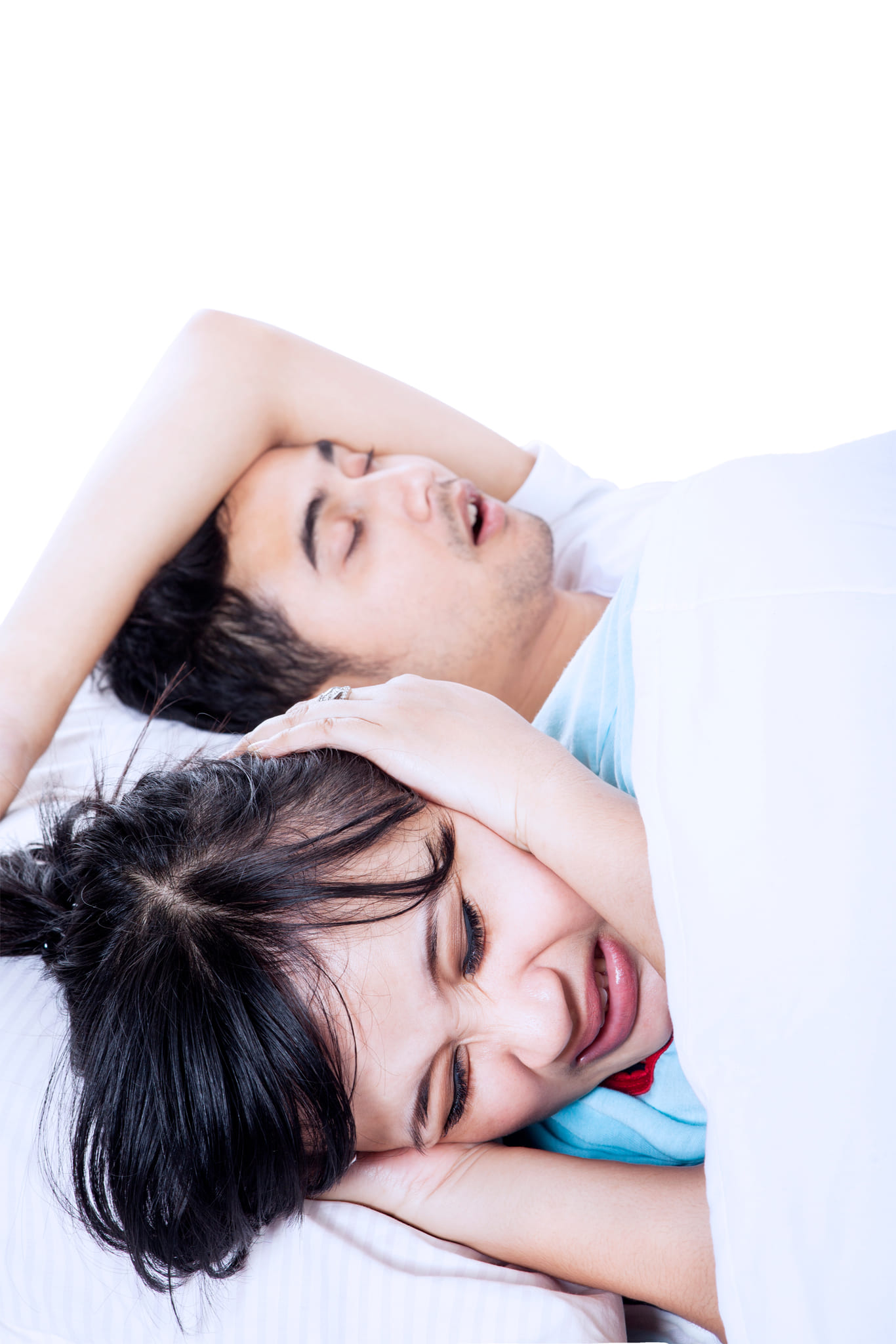
People who snore loudly, feel tired during the day, or frequently wake up gasping or choking during sleep may be suitable candidates. Early use of CPAP may help reduce long-term strain on the cardiovascular and respiratory systems. -
Looking for a Non-Surgical Option
For patients not keen on surgical intervention, CPAP therapy offers a non-invasive, first-line approach that can be managed from home, with regular support from an ENT or sleep specialist.
Risks and Who Should Avoid CPAP Therapy
While generally safe, CPAP therapy is not suitable for every patient. Below are some scenarios where caution or alternative treatment may be necessary.
No Spontaneous Breathing
Patients who are not breathing on their own should not use CPAP. In such cases, more intensive respiratory support is required.
Unstable Cardiorespiratory Status
Those with fluctuating heart or lung conditions may not tolerate the changes in airway pressure and should be assessed carefully before starting therapy.
Reduced Consciousness or Impaired Airway Protection
If a patient cannot respond or protect their airway (e.g. due to sedation or neurological impairment), the risk of aspiration may increase.
Recent Severe Facial Surgery or Trauma
Facial fractures, surgical wounds, or deformities can interfere with mask placement or airflow, limiting the safety and comfort of CPAP use.
Copious Secretions
Large amounts of phlegm or nasal discharge may block the mask or airway, reducing the therapy’s usefulness and increasing the risk of complications.
How CPAP Therapy Works
Key Components & How They Work
CPAP Machine
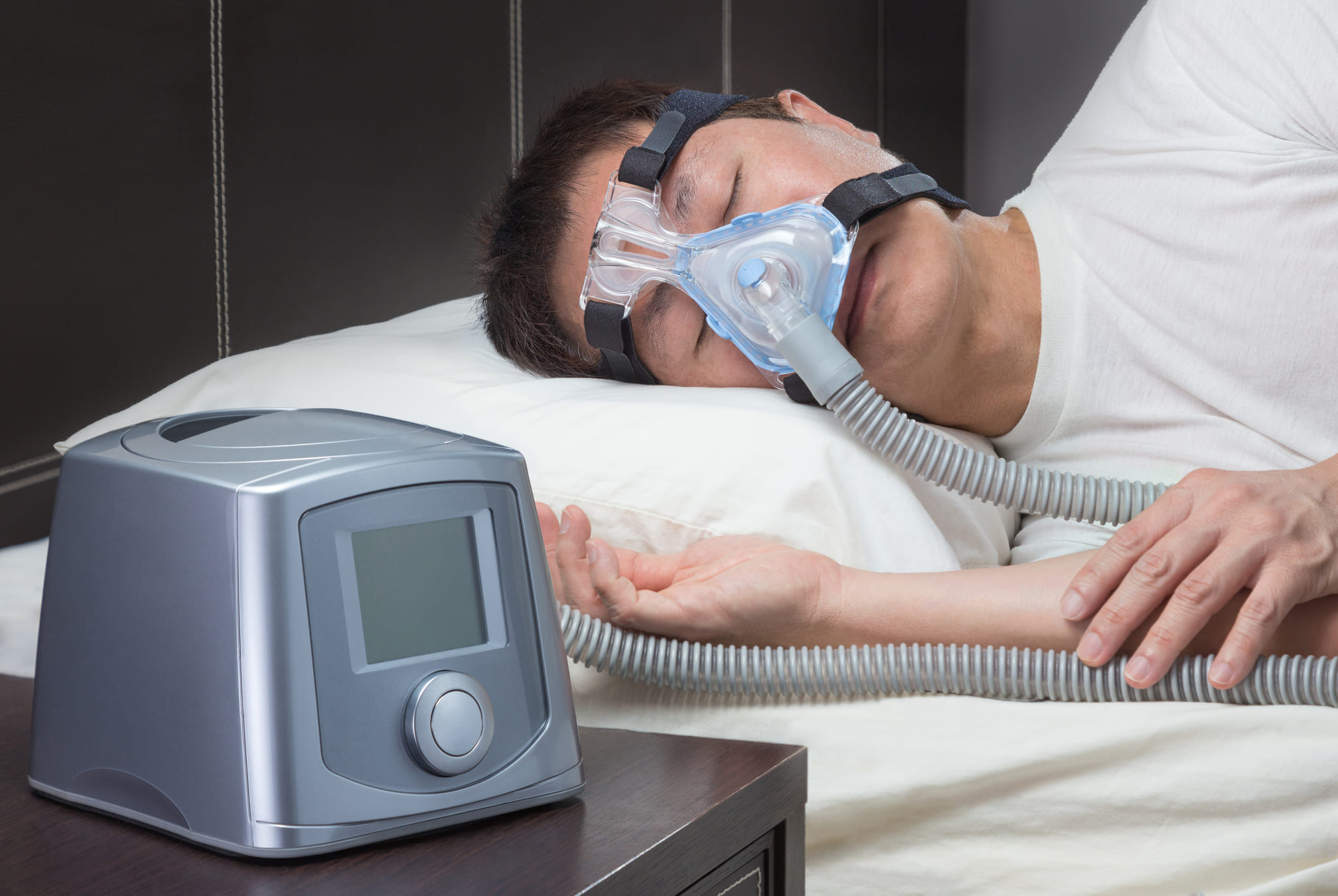
The machine draws in room air and delivers it at a fixed pressure through a tube to prevent airway collapse during sleep.
Tubing
Flexible tubing connects the machine to the mask, delivering air directly to the user with minimal noise or resistance.
Mask Interface
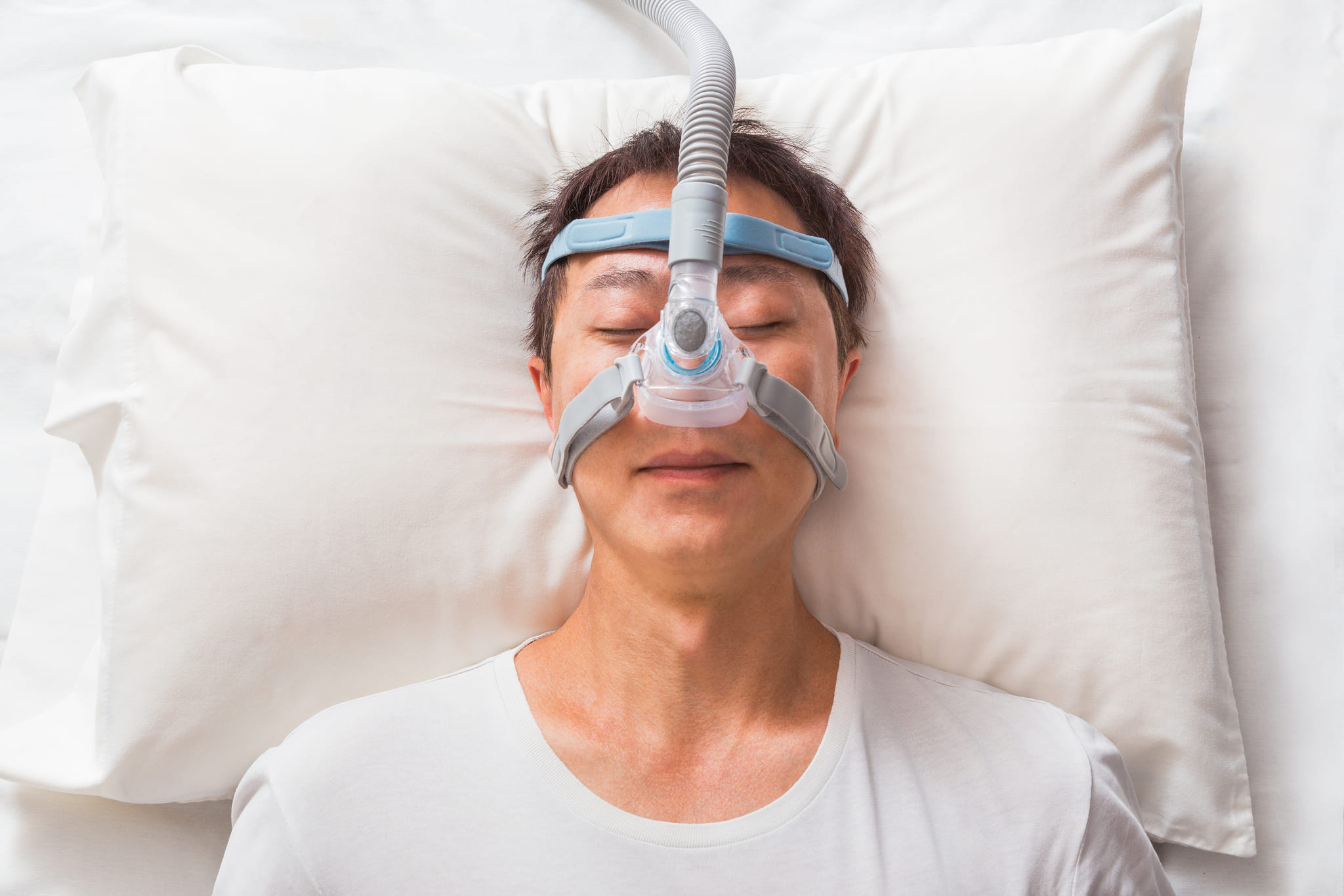
Various types of masks (nasal, full face, or nasal pillows) are available to suit different sleeping positions, breathing patterns, and facial structures.
The Process in Action
Once fitted and activated, the CPAP device maintains continuous airflow to stabilise the airway throughout the night. It does not deliver oxygen, but rather prevents the collapse of the soft tissues in the throat, a key issue in sleep apnea.
Schedule your consultation with Dr Dennis Chua for a diagnosis and personalised treatment options.
Side Effects of CPAP Therapy
Nasal and Throat Irritation
Dryness, congestion, or sore throat may occur due to the constant airflow. This is often managed by using heated humidifiers or adjusting mask settings.
Mask Discomfort or Leaks
Ill-fitting masks can cause facial pressure marks, leaks, or air blowing into the eyes. Finding the right mask fit is essential to minimise discomfort.
Claustrophobia
Some users may feel anxious or trapped when wearing the mask. Gradual acclimatisation and trying alternative interfaces can help improve tolerance.
Aerophagia (Swallowing Air)
Swallowed air may lead to bloating or gas. Pressure adjustments or positional therapy may be helpful if this persists.
Dry Mouth or Eyes
Air leaks from around the mask can dry out the eyes or mouth. Full face masks or chin straps may reduce these symptoms.
Difficulty Falling Asleep
Some individuals may take time to adjust to the noise, airflow, or presence of the mask. Education and routine play a key role in adaptation.
Recovery and Aftercare with CPAP Therapy
Ongoing Monitoring
Regular follow-up is recommended to assess comfort, mask fit, sleep quality, and any emerging concerns. Data from CPAP machines can help track usage and effectiveness.
Managing Side Effects
Minor issues are common in the initial weeks. Adjustments to humidity, pressure settings, or mask style often resolve most problems.
Lifestyle and Emotional Support
Adherence can be challenging, especially at the beginning. Patient education, setting realistic expectations, and involving family support are important for long-term success.
CPAP Therapy Costs and Fees
Factors That Influence Cost
The cost of CPAP therapy can vary depending on several factors, including the type of device prescribed, mask style, humidifier requirements, and whether additional fittings or follow-up adjustments are needed. Diagnostic tests such as sleep studies or nasal assessments may also influence the overall cost.
Example of Treatment Costs
As a general guide, consultation fees follow the clinic’s standard rate.
CPAP devices, masks, and accessories are typically priced separately and may range from SGD $1,500 – $3,000+* depending on the configuration and duration of use (rental or purchase).
*Indicative figures only. A personalised estimate will be provided after assessment.
Cost Reduction and Support
Some insurance plans or corporate health benefits may cover part of the cost of CPAP therapy, including diagnostic testing. Patients are encouraged to check with their insurer or employer. Where applicable, alternative treatment pathways may also be discussed based on individual needs and tolerance.
Frequently Asked Questions
Can CPAP therapy cure sleep apnea?
CPAP therapy helps to reduce airway obstruction during sleep, but it does not remove the underlying cause of sleep apnea. Many users continue to rely on it long-term, and its benefits are closely tied to regular and consistent use.
Will CPAP therapy help with snoring?
In individuals with obstructive sleep apnea, CPAP may reduce snoring by keeping the airway open. For snoring not caused by sleep apnea, other management approaches may be more suitable.
Do I need a sleep study before starting CPAP?
Yes. A formal sleep study is recommended to confirm a diagnosis of OSA and assess the severity of airway collapse. This ensures that CPAP therapy is tailored to your specific needs.
Is it difficult to adjust to CPAP?
Some individuals take time to get used to the airflow, mask, and routine. Support and follow-up from your ENT clinic in Singapore can help address early challenges and guide adjustments.
Can I travel with my CPAP machine?
Yes. Most devices are compact, lightweight, and approved for air travel. It’s helpful to carry a copy of your medical documentation, especially when flying.
What if I cannot tolerate the mask?
Mask intolerance is a common concern. Solutions may include trying different mask styles, adjusting pressure settings, or exploring alternate therapies. Surgical options may also be discussed where appropriate.
Contact Form
Feel free to contact, We are more than happy to assist you! We will get back to you as soon as possible.
 ENT Surgeons Medical Centre