


Definition of Otolaryngology
Otolaryngology is the medical field that focuses on conditions related to the ear, nose, and throat, as well as related areas of the head and neck. It covers a wide range of functions, from hearing and breathing to speech and swallowing. While the term might not be familiar to everyone, it’s the foundation of what ENT specialists are trained to manage.
Why “ENT” Matters for Ear, Nose & Throat Care
The abbreviation “ENT” stands for Ear, Nose, and Throat. It’s a simpler way to refer to otolaryngologists, especially in everyday conversation. We assess and support individuals experiencing issues such as blocked ears, sinus discomfort, throat irritation, or changes in their voice. Their work often involves identifying the source of the problem and guiding patients through appropriate next steps, whether it’s further evaluation, monitoring, or treatment.
Understanding their role helps clarify where to turn when symptoms involve these key areas of the body.
Understanding the ENT Specialty
Historical Evolution of Otolaryngology
The origins of otolaryngology can be traced back to the 19th century when medical professionals began to specialise in the anatomy and conditions of the ear, nose, and throat. Over time, this area of practice evolved as tools and techniques improved, allowing more detailed examination and care. What began as a niche field gradually developed into a recognised speciality as the connections between these three areas became better understood.
Modern Scope of Practice in Singapore
In Singapore, ENT specialists work in both public hospitals and private clinics. Their scope includes helping patients manage conditions related to hearing, balance, breathing, sinus health, voice, and swallowing. They also provide support for concerns like ear blockages, nasal congestion, or prolonged throat discomfort. With access to diagnostic tools and collaborative care settings, we are able to guide individuals through personalised evaluation and care pathways that align with their specific needs.
Medical Training and Qualifications
From Medical School to Residency
We typically begin their path with a basic medical degree, followed by several years of practical training. After graduating from medical school, they enter residency programmes that focus on ear, nose and throat (ENT) care. These programmes include clinical rotations and supervised practice, building knowledge in areas like hearing assessment, nasal function, throat conditions, and head and neck concerns.
This stage also involves hands-on experience with common issues, such as sinus infections, nosebleeds, or learning the proper way to treat and remove earwax. Through this training,we develop the skills needed to assess a wide range of symptoms and recommend appropriate next steps for patients.
Fellowship Tracks & Subspecialties (e.g., Pediatric ENT, Neurotology)
After residency, some ENT doctors pursue further training through fellowships. These allow them to focus on more specific areas within the speciality. For example, pediatric otolaryngology specialists concentrate on conditions affecting children, while others may specialise in neurotology, which deals with balance disorders and complex ear-related issues.
Other recognised subspecialties include sinus surgeons who manage advanced nasal and sinus concerns, and ENT professionals who focus on sleep apnoea treatment or snoring conditions. Subspecialty training enables a more targeted approach, particularly in complex or recurring cases where general ENT care may be insufficient.
Common Conditions Treated
Ear Disorders (Hearing Loss, Tinnitus, Vertigo)
We often help individuals experiencing symptoms such as reduced hearing, ringing in the ears, or balance issues. These may be linked to inner ear problems or infections. For example, a middle ear infection can cause discomfort and temporary changes in hearing. In other cases, persistent wax buildup may need attention, especially if it interferes with sound clarity. Understanding the proper way to treat and remove ear wax can prevent unnecessary irritation or blockage.
Nasal Issues (Sinusitis, Allergies, Nasal Polyps)
Nasal conditions can range from occasional congestion to more chronic problems like sinus infections or persistent inflammation. Individuals with allergic triggers may experience allergic rhinitis, characterised by symptoms such as sneezing, nasal congestion, and postnasal drip. In more complex cases, the specialists may refer to or work with surgeons to address structural concerns. Some patients may also be diagnosed with a deviated nasal septum, which can affect airflow and lead to recurring discomfort.
Throat & Voice Problems (Tonsillitis, Hoarseness)
Throat-related issues may include recurrent infections, changes in voice, or a persistent sore throat. Hoarseness, for example, may result from overuse, irritation, or underlying concerns with the vocal folds. ENT specialists assess the throat and larynx to determine if further steps are needed, especially when symptoms don’t resolve on their own.
Head & Neck Ailments (Sleep Apnea, Thyroid Nodules)
Disorders involving the head and neck can affect breathing, sleep, and swallowing. Sleep apnea is one of the more widely recognised conditions, often accompanied by loud snoring or disrupted rest. Individuals may benefit from consulting an ENT specialist to explore options for snoring treatments in Singapore or more comprehensive sleep apnoea treatment. In some cases, conditions such as neck lumps or thyroid concerns may also require ENT evaluation, particularly when swelling or discomfort persists.
For patients with overlapping or persistent symptoms, ENT doctors, such as Dr. Dennis Chua, offer structured assessments to help identify the cause and recommend suitable next steps.
When to Consult an ENT Specialist
Key Warning Signs (Persistent Pain, Hearing Loss, Snoring)
Many people wait until symptoms worsen before seeking help, but early consultation with ENT specialists can make a difference. Some of the common warning signs include:
- Ongoing or unexplained hearing loss
- Persistent ear discomfort or pressure
- Snoring that disrupts sleep or worsens over time
- Frequent nosebleeds or nasal blockage
- A change in voice that does not improve
- Recurrent sore throats or difficulty swallowing
- Noticeable neck lumps or swelling
If loud snoring, daytime fatigue, or interrupted sleep patterns are present, these may also point to sleep apnea. In such cases, timely assessment by an ENT snoring specialist can help determine whether snoring treatment or further evaluation for sleep apnoea treatment is necessary.
GP Referral vs. Self-Referral Options
In Singapore, patients can consult the specialists either through a referral from a general practitioner or by booking an appointment directly. A GP referral may be helpful when symptoms require preliminary evaluation or when insurance coverage necessitates it. However, self-referral is common, especially for recurring issues such as sinus infections, snoring, or concerns that require a rhinoplasty surgeon in Singapore.
Many ENT clinics accept both GP referrals and self-referrals. For example, individuals may choose to consult Dr. Dennis Chua at ENT Surgeons Medical Centre at Mount Elizabeth, Orchard, directly for personalised evaluation and care. Whether it’s routine care or more specific needs, such as a revision rhinoplasty or support for a deviated nasal septum, flexible access options make it easier for individuals to get the help they need without unnecessary delays.
Frequently Asked Questions (FAQs)
Do I Need a Referral to See an ENT Specialist?
In Singapore, a referral is not always required. While a general practitioner may refer you for further evaluation, many clinics accept direct bookings. Patients can also consult ENT specialists without a GP’s referral, especially for ongoing issues such as snoring, earwax, or sinus infections. For instance, you may choose to see Dr. Dennis Chua directly for specific concerns.
Is ENT Treatment Covered by Insurance?
Most insurance providers in Singapore offer some level of coverage for consultations and procedures related to ear, nose, and throat (ENT) conditions. However, the extent of coverage depends on the policy. It is advisable to check with your insurance provider to determine whether your plan requires a referral or pre-authorisation before scheduling appointments, especially if procedures such as sleep apnoea treatments or snoring treatments are being considered.
Can an ENT Perform Surgery?
Yes, ENT specialists are trained to carry out a range of procedures, depending on their subspecialty. These include minor in-clinic treatments as well as more complex surgeries related to breathing, hearing, or structural concerns. Common examples include correcting a deviated nasal septum, managing a middle ear infection, or supporting patients with sleep apnoea treatments. ENT surgeons in Singapore may also perform rhinoplasty when the focus is on improving nasal airflow or correcting structural issues.



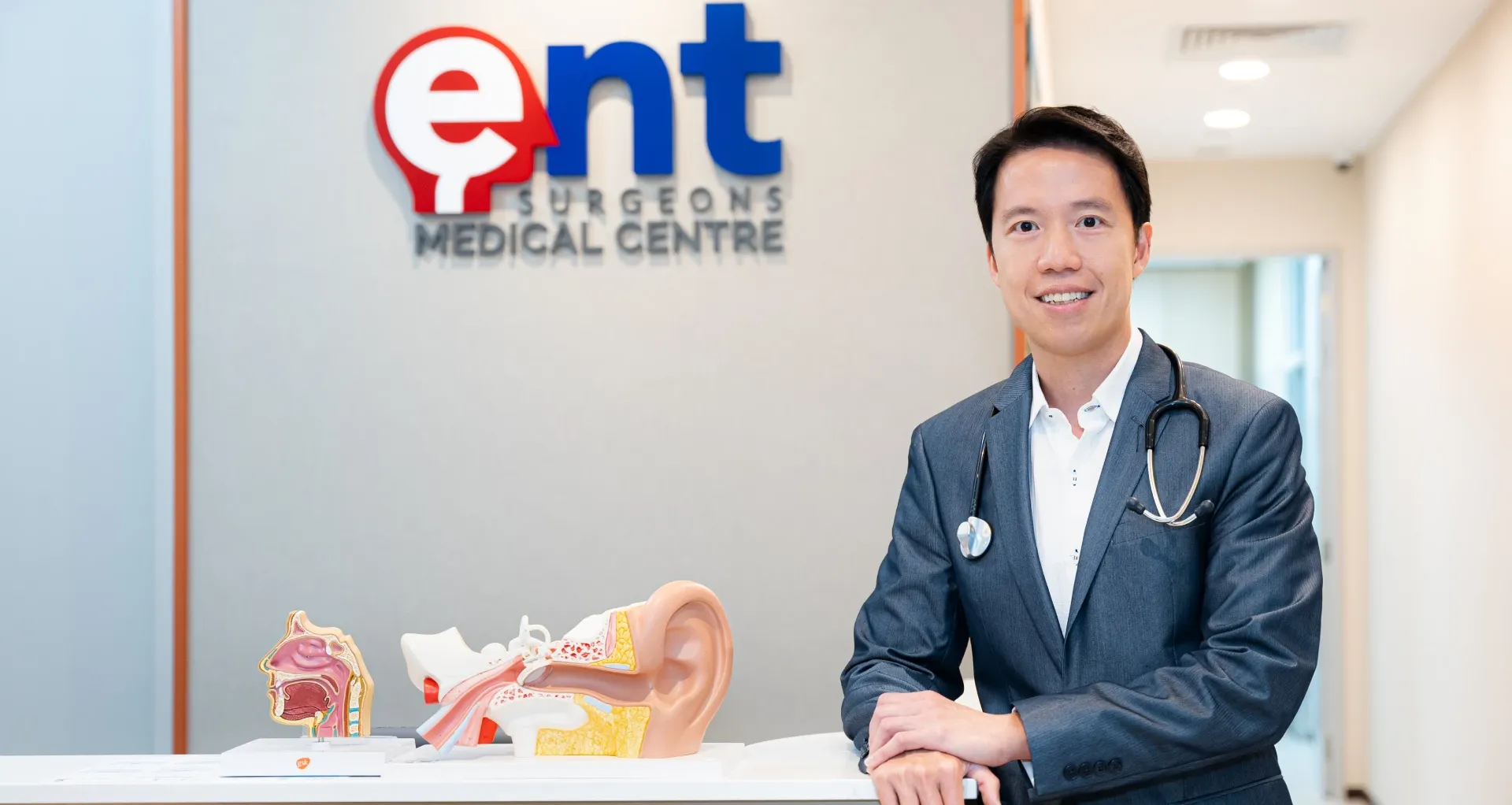


 ENT Surgeons Medical Centre