


ENT Snoring Specialist in Singapore

What is Snoring?

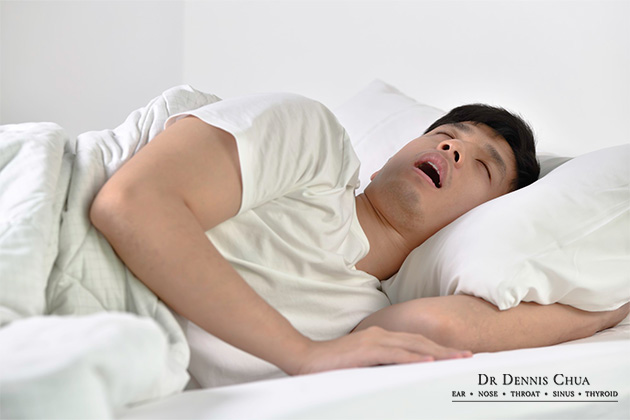
Snoring is a common condition that occurs when airflow through the mouth or nose is partially blocked during sleep. This obstruction causes the soft tissues in the throat to vibrate, resulting in a noisy breathing sound. According to studies, 24% of Singapore’s population are loud, habitual snorers. Snoring can range from mild and occasional to loud and disruptive, often affecting both the sleeper and their partner.

While snoring may seem harmless, it can sometimes be a sign of an underlying issue such as obstructive sleep apnea (OSA). In such cases, the airway may repeatedly collapse during sleep, disrupting breathing and reducing oxygen levels. Individuals who snore regularly may have morning headaches, poor concentration or excessive daytime sleepiness (EDS). Importantly, not all snorers have OSA, but persistent or loud snoring should raise concern.

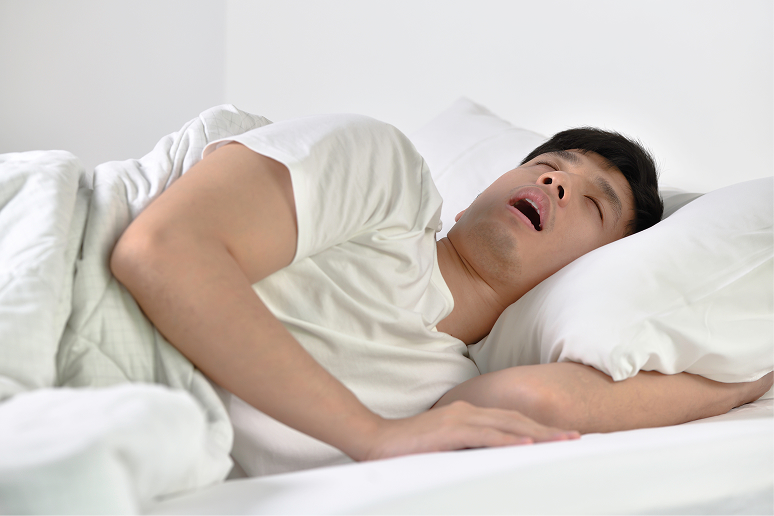
young-asian-man-sleeping-snoring-loudly-lying-bed

Types of Snoring

Mouth Snoring

Mouth snoring occurs when you breathe through the mouth instead of the nose, usually due to nasal blockage. This can increase the risk of infection since the nose’s natural filtering is bypassed.

Nasal Snoring

Nasal snoring is linked to blocked nostrils from conditions like a deviated septum, allergies, colds, or chronic congestion.

Tongue Snoring

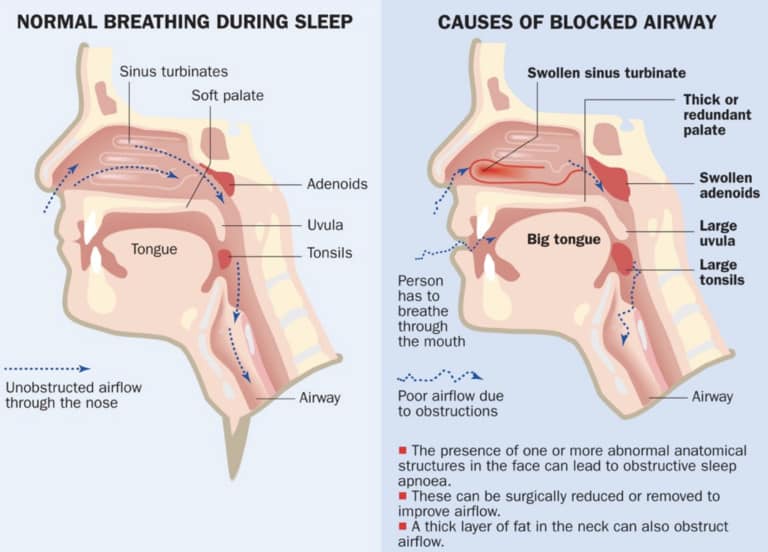
Tongue snoring happens when the tongue relaxes and falls backward, blocking airflow to the lungs. It is more common among people who consume alcohol, take sedatives, or carry excess fat around the neck.

Throat Snoring

Throat snoring is the loudest and most serious form, often associated with obstructive sleep apnea (OSA). It occurs when throat muscles over-relax, narrowing the airway and disrupting breathing. Treatment may involve CPAP therapy, oral appliances, or surgery, and seeking professional assessment is strongly recommended for this type of snoring.

Snoring Warning Signs You Shouldn’t Ignore

For many people, snoring is just an occasional nuisance. But when it becomes frequent, loud, or accompanied by other symptoms, it could signal something more serious such as obstructive sleep apnea (OSA). Recognising the warning signs early is key to protecting your health.

High-risk types of snoring include:

  • Throat snoring, which is usually loud, persistent, and present in all sleeping positions, is strongly linked to OSA.
  • Snoring with pauses, choking, or gasping is a clear red flag that breathing is being interrupted during sleep.

Warning signs that snoring may be dangerous:

  • Snoring every night instead of occasionally
  • Snoring so loud it can be heard outside the bedroom
  • Pauses in breathing witnessed by a partner
  • Gasping or choking sounds while asleep
  • Severe daytime sleepiness, headaches, or irritability
  • Waking up with a dry throat, sore throat, or poor-quality sleep

Untreated OSA can increase the risk of high blood pressure, diabetes, stroke, and heart disease. If your snoring matches these warning signs, it’s best to seek assessment from an ENT snoring specialist in Singapore for early diagnosis and treatment.

Young woman bored with her boyfriend snoring

Common Causes of Snoring

Snoring can result from various factors, some of which may be temporary or lifestyle-related, while others involve anatomical or medical conditions. Understanding these causes helps determine whether snoring requires medical attention.

Some common causes include:

Obstructed nasal airways

Obstructed nasal airways – from allergies, sinus infections, or a deviated septum

Obesity

Obesity – excess tissue around the throat may narrow the airway

Enlarged tonsils or adenoids

Enlarged tonsils or adenoids – more common in children but also seen in adults

Sleep position

Sleep position – sleeping on your back can cause the tongue to block the throat

Throat muscle relaxation

Throat muscle relaxation – especially during deep sleep or after alcohol consumption

Smoking – irritates the airway, contributing to inflammation and narrowing

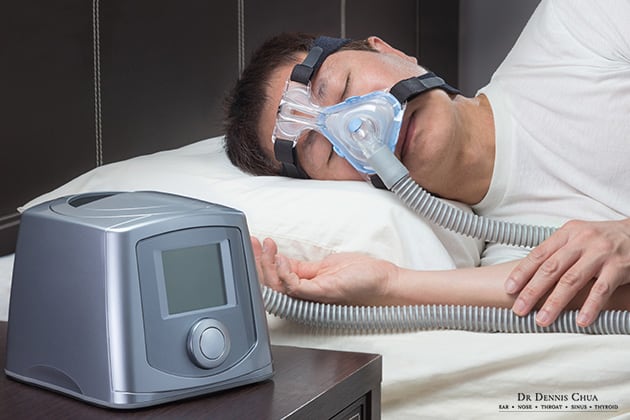
A thorough evaluation by an ENT snoring specialist can help identify the underlying cause and guide appropriate treatment

Health risks associated with snoring​

For many people, snoring is nothing more than a slight inconvenience, which can sometimes be a nuisance when it disrupts night time sleep. However, not everyone knows that constant snoring, in conjunction with other symptoms, can indicate a more serious health problem.

If your snoring is related to OSA, it can also mean you are at a higher risk for diseases such as diabetes, obesity, hypertension, stroke, and cardiovascular issues like heart attacks. Obstructions to your breathing during sleep means oxygen levels drop at night which can cause issues with your health and put you at risk for the conditions named above.

While most cases of OSA can be treated with lifestyle changes, sometimes it may indicate a more serious underlying condition. It’s always better to be safe and consult with a trained professional who can inform you on the severity and cause for your condition.

When to Seek Medical Attention

Snoring once in a while is common and perfectly normal. But if you find that you (or your partner) is constantly snoring every night, then it might be good to seek treatment with an ENT specialist. Snoring is most commonly associated with Obstructive Sleep Apnea (OSA). It is a sleep disorder which is mild in most cases, but can sometimes have more severe outcomes.

Some of the major symptoms to look out for when you suspect OSA are periods of suspended breathing at night, gasping for air during sleep, migraines during the day, excessive tiredness, and a sore throat in the morning.

Snoring Treatment Singapore Using a CPAP Machine

Periods of suspended breathing at night

OSA is caused by obstructions to your breathing passage during sleep. The air passing over soft tissues blocking your airway creates the snoring sound. Patients with OSA will often stop breathing entirely in the middle of their sleep cycle, before the snoring and obstructed breathing resumes.

Some patients will awake during these pauses gasping for air. Others may have spouses who may observe these breathing pauses during the night. If you find yourself experiencing these symptoms, you should book an appointment with an ENT specialist for further observation.

Snoring Treatment Singapore and avoid Tiredness

Tiredness, migraines, and difficulty concentrating

Patients who snore due to OSA will also experience symptoms related to not getting a restful night’s sleep. These can include excessive daytime sleepiness, headaches and migraines from not getting enough rest, and difficulty concentrating on tasks throughout the day. These symptoms, while not dangerous, can result in affecting your productivity and workplace performance.

Sore throat after waking up

Partial obstructions to your air passages during sleep can cause you to breathe through your mouth in the night. The air flowing through these passages can dry your mouth and throat leaving you with a sore throat when you wake up.

If you find yourself constantly waking up with a sore or scratchy throat, a dry mouth, experience chronic night time snoring, and exhibit any of the other symptoms listed above, it might be time to seek snoring treatment. 

Treatment Options for Snoring

Medication

Antihistamines or nasal corticosteroids ease allergy-related congestion, making it easier to breathe through your nose.

Nasal Devices​

Saline sprays, nasal strips or decongestant inhalers dilate and clear nasal passages for smoother airflow.

CPAP Therapy

A continuous positive airway pressure machine delivers steady air pressure via mask to keep your airway open, which is especially effective for sleep apnea.

Oral Appliances

Custom mandibular advancement devices reposition your lower jaw and tongue to prevent airway collapse.

Surgery

An ENT snoring specialist will help tailor one or a combination of these treatments to your specific needs and condition.​

Lifestyle and Home Remedies​

A few targeted changes in your daily habits can make a significant difference to your snoring by improving airway stability and muscle tone.

1. Maintain a healthy weight

Losing just 5 to 10 percent of your body weight can reduce fatty deposits around the neck and decrease airway obstruction for quieter breathing.

2. Avoid alcohol and sedatives before bed

These substances relax throat muscles and narrow your airway. Stop drinking or taking sedatives at least three hours before sleep to keep tissues firmer.

3. Keep a regular sleep schedule

Going to bed and waking up at the same time every day strengthens your body’s internal clock and promotes consistent muscle tone in your airway.

4. Optimize sleep posture

Elevate your head by 10 to 15 cm with a wedge pillow or bed blocks, and lie on your side to minimise throat tissue collapse.

5. Manage nasal congestion

Treat allergies with appropriate medications and rinse nasal passages nightly with a saline spray so you inhale through your nose rather than your mouth.

Why Choose Our Clinic for Snoring Treatment

At our clinic, we take a holistic and personalised approach to snoring concerns. Patients who visit our Mount Elizabeth locations receive:

Thorough consultation and nasoendoscopy evaluation

Access to sleep studies for comprehensive diagnosis, where necessary

Treatment plans designed around each individual’s lifestyle and health condition

Ongoing follow-up to ensure results are effective and sustainable

With a focus on patient care, our ENT snoring specialist works with you to achieve restful sleep and a better quality of life.

Dr Dennis Chua

Consultant ENT Specialist in Singapore

MRCS (Edinburgh), MMed (ENT), FAMS (ENT)

Dr Dennis Chua is a USA Fellowship-trained ENT specialist and Facial Plastic Surgeon with over 20 years of experience. He treats adults and children for a wide range of ENT conditions, including sinus and nasal disorders, allergies, snoring, ear infections, hearing loss, and thyroid or voice-related issues. A former Chief of Facial Plastic Surgery at Tan Tock Seng Hospital, Dr Dennis Chua is highly experienced in complex nose and sinus cases and serves as a Visiting Consultant at KK Women’s & Children’s Hospital.

FAQs About Snoring

Can loud snoring be cured?

Loud snoring can often be addressed through a combination of lifestyle changes, medical treatments, or surgical intervention, depending on the underlying cause.

There is no one-size-fits-all solution, but many patients see long-term results through tailored treatment plans. These may include weight management, oral appliances, or procedures to reduce tissue in the airway.

Occasional snoring is common, but frequent or loud snoring may indicate obstructive sleep apnea, which requires medical evaluation.

If your snoring is persistent, disruptive, or accompanied by daytime fatigue, it’s advisable to consult an ENT snoring specialist for further assessment.

Coverage varies depending on the diagnosis and your insurance provider. Treatments for snoring related to medical conditions like sleep apnea are more likely to be covered.

Other Related Articles

Contact Form

Feel free to contact, We are more than happy to assist you! We will get back to you as soon as possible.