


Symptom-Driven Approach
ENT specialists provide care based on the symptoms that individuals present during a consultation. The process begins with understanding which areas are affected, such as hearing, nasal breathing, sleep, voice, or balance.
Whether the concern is short-term, such as ear discomfort after a cold, or part of a longer-term pattern, such as persistent sinus pressure, the focus remains on identifying possible causes through clinical examination and appropriate tests. This helps ensure that any treatment or follow-up is directed by the specific symptoms rather than a generalised approach.
Personalised Care Overview
Following the assessment, the specialist discusses care options tailored to the individual’s condition, findings, and overall health. This could involve medication, lifestyle adjustments, referral for therapy, or surgery where appropriate.
For instance, someone with nasal congestion might consider both medical treatment and structural evaluation. Another person experiencing voice issues may be advised to undergo speech therapy or adopt vocal hygiene strategies. Each care plan is tailored to reflect what is clinically suitable and sustainable.
Case Scenarios & Solutions
From Tinnitus to Treatment
A person may come in reporting a constant ringing sound in one or both ears. After taking a comprehensive history and conducting hearing tests, such as pure tone audiometry, the doctor may determine whether the tinnitus is associated with hearing loss, earwax blockage, or another underlying condition. Management can involve sound therapy, counselling, or addressing any physical contributors, such as middle ear fluid or noise exposure.
While tinnitus may not always be fully resolved, identifying the cause helps shape realistic and supportive management strategies.
Managing Chronic Sinus Pain
Recurring facial pressure, nasal congestion, and headaches may point toward chronic sinusitis. In such cases, nasal endoscopy and imaging, such as a CT scan, may be used to examine the sinus structures more closely. If medication and lifestyle changes do not ease the symptoms, a procedure like functional endoscopic sinus surgery (FESS) may be considered.
The aim is to improve drainage and reduce inflammation, helping to lower the frequency and severity of flare-ups.
Restoring Voice After Overuse
Someone who relies heavily on their voice, such as a teacher or public speaker, may seek help for hoarseness or vocal fatigue. After ruling out infections or structural issues using a laryngeal endoscopy, the doctor may refer the individual for voice therapy. This involves working with a speech-language therapist to improve technique and reduce strain.
In some cases, voice rest, hydration, and specific exercises can support recovery without the need for surgical intervention.
Patient Experience Highlights
First-Visit Walkthrough
For many individuals, the first visit begins with a registration and check-in process. Once in the consultation room, the discussion typically starts with a review of symptoms, medical history, and any relevant lifestyle factors. This conversation helps the specialist understand what brought the individual in and what the primary concerns may be.
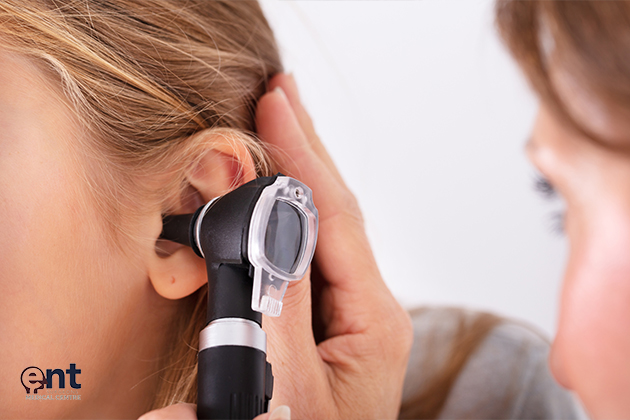
A physical examination follows, which may include looking into the ears, nose, and throat using a lighted scope. If further details are needed, an in-clinic test, such as a nasal endoscopy or a hearing assessment, may be performed during the same session. These are generally quick procedures that provide immediate visual or functional insight.
The consultation ends with a discussion of next steps. This might involve medication, further testing, or a review appointment, depending on the findings. Individuals typically leave with an understanding of their condition and a personalised treatment plan.
This structured yet conversational process helps set expectations and supports informed decision-making from the outset.
Beyond Treatment: Long-Term Support
Preventive Guidance & Education
ENT care continues beyond the initial treatment phase. For individuals with conditions that tend to recur, such as allergic rhinitis or sinus infections, preventive strategies play a crucial role in long-term management. This may include guidance on avoiding known triggers, using prescribed medication as directed, and recognising early signs of symptom return.
Patient education is also essential. Understanding how the ears, nose, and throat are connected and how certain habits or exposures may contribute to discomfort can help reduce future flare-ups and encourage more proactive care.
Lifestyle Modifications for Lasting Relief
Certain conditions can be managed more effectively when lifestyle adjustments are incorporated into the treatment plan. This may include improving sleep hygiene in cases of snoring or mild sleep-disordered breathing, managing voice use for those with vocal strain, or introducing regular nasal rinses for sinus health.
Changes do not need to be drastic, but they are effective when they align with the individual’s routine and symptom patterns. Follow-up consultations may be scheduled to monitor progress, address questions, and adjust the plan as necessary.
Conclusion
Empowering Your Next Steps
Understanding the role of ENT care can help individuals take clearer, more confident steps toward managing symptoms that affect daily comfort and function. Whether it involves ongoing sinus discomfort, voice changes, hearing concerns, or sleep-related issues, knowing when to seek support is often the first move toward meaningful relief.
Each consultation is an opportunity to explore the cause of symptoms, review appropriate treatment options, and consider how those choices fit into daily life and long-term health.
When and How to Schedule Your Visit
If you’ve been experiencing symptoms that persist, return frequently, or interfere with daily activities, it may be time to consult an ENT specialist. Booking a visit with Dr. Dennis Chua allows for a focused evaluation and structured guidance on what can be done next.
Appointments can be arranged through the clinic’s contact channels. Bringing along a brief symptom history, past test results, or a list of medications can help make the most of your consultation time.





 ENT Surgeons Medical Centre