

- Home >
- Adult & Kids ENT >
- Nasal polyps and recurrent sinusitis
Nasal polyps and recurrent sinusitis
What are Nasal Polyps?
Nasal polyps are soft, painless, noncancerous growths that develop on the lining of the nasal passages or sinuses. They result from chronic inflammation and can vary in size, sometimes forming large clusters that block nasal airflow. Though benign, nasal polyps can cause significant discomfort by obstructing normal breathing, leading to nasal congestion, reduced sense of smell, and recurrent sinus infections.
Nasal polyps are a common condition affecting many Singaporeans due to factors like allergies, chronic sinusitis, and environmental pollutants. Early diagnosis and treatment by an ENT specialist can help manage symptoms and improve quality of life.

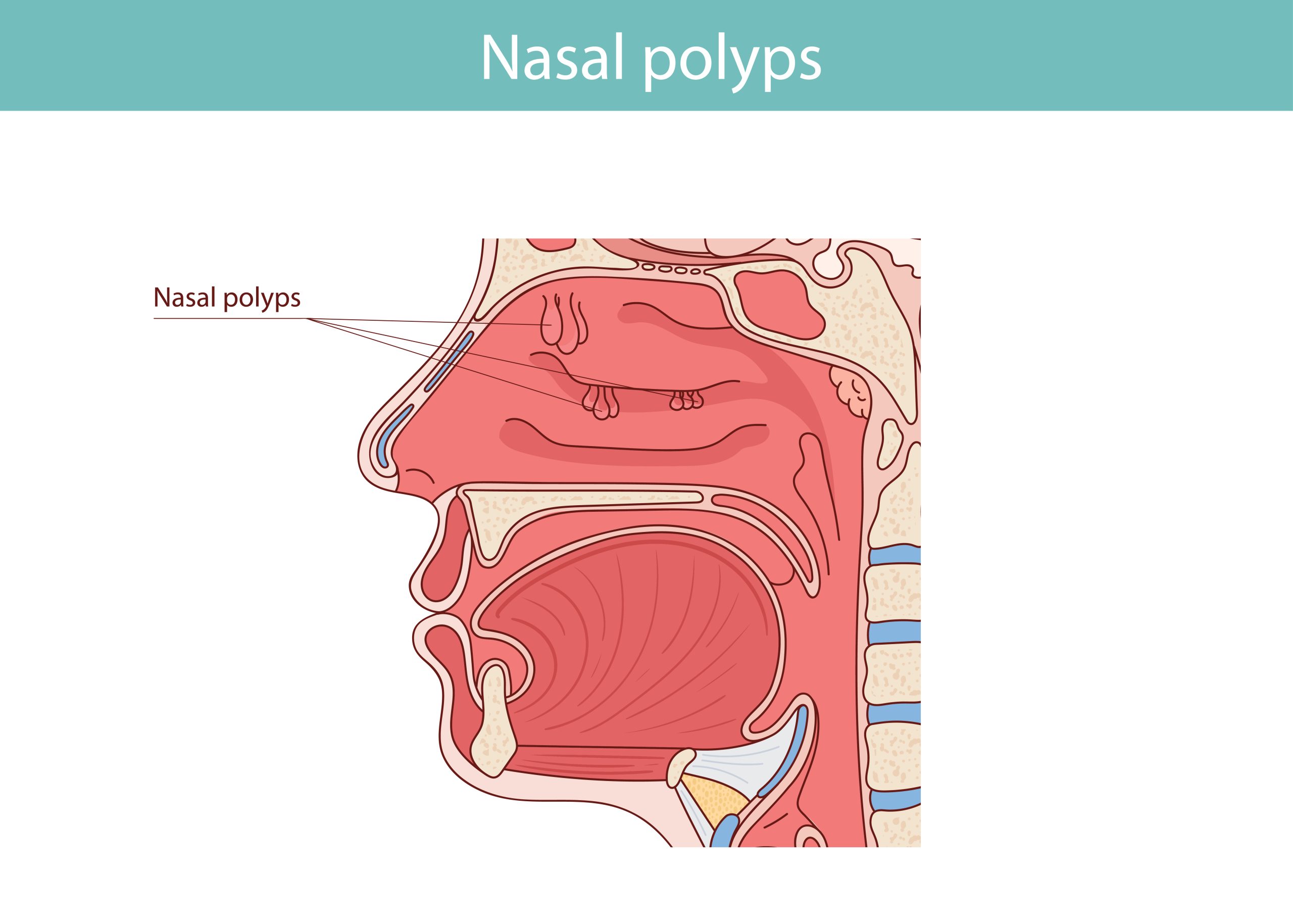
What Causes Nasal Polyps?
Nasal polyps develop as a response to chronic inflammation within the nasal and sinus mucosa. Several factors contribute to their formation, including:
- Chronic sinus infections (sinusitis)
- Allergic rhinitis and other allergies
- Asthma
- Aspirin sensitivity or NSAID intolerance
- Genetic predisposition
- Environmental irritants such as pollution and smoke
The persistent inflammation leads to swelling and fluid accumulation, which eventually forms polyps.
Common Symptoms of Nasal Polyps
Nasal polyps can sometimes be present without obvious symptoms, but common signs include:
Persistent nasal congestion or stuffiness
Runny nose or postnasal drip
Reduced or lost sense of smell and taste
Facial pain or pressure around the sinuses
Snoring or sleep disturbances
Frequent sinus infections
Mouth breathing due to nasal blockage
If you experience any of these symptoms for an extended period, it is advisable to seek an evaluation from an ENT specialist.
Risk Factors
Certain factors increase the risk of developing nasal polyps, including:
- History of chronic sinus infections or sinusitis
- Allergies and asthma
- Sensitivity to aspirin or other non-steroidal anti-inflammatory drugs (NSAIDs)
- Cystic fibrosis (a genetic disorder affecting mucus production)
- Age (more common in adults aged 20 to 60)
- Family history of nasal polyps or related conditions
Book an appointment with Dr Dennis Chua for evaluation and treatment of nasal polyps.
Diagnosis of Nasal Polyps
ENT specialists in Singapore use several approaches to diagnose nasal polyps:
Physical examination: Including nasal endoscopy to directly visualize the polyps inside the nasal passages
Imaging studies: CT scans of the sinuses help assess the size, location, and extent of polyps and rule out other causes of nasal blockage
Allergy testing: To identify underlying allergic triggers that may contribute to inflammation
Additional tests: In some cases, blood tests or biopsy may be performed to exclude other conditions
Treatment of Nasal Polyps
Treatment focuses on reducing inflammation, shrinking the polyps, and relieving nasal obstruction. Options include:
Medications
Nasal corticosteroid sprays: The first-line treatment to reduce inflammation and polyp size
Oral corticosteroids: Used for short courses in more severe cases
Antihistamines or allergy medications: To control underlying allergic triggers
Saline nasal rinses: To help clear mucus and allergens from the nasal passages
Surgical Treatment
When medications are insufficient or polyps are large and obstructive, surgery may be recommended:
- Endoscopic sinus surgery: A minimally invasive procedure where polyps are removed and sinus drainage pathways are widened to improve airflow and reduce recurrence
- Surgery is typically performed by experienced ENT surgeons and offers symptom relief and improved nasal function
Frequently Asked Questions
Are nasal polyps cancerous?
No, nasal polyps are benign (noncancerous) growths. However, it is important to have them evaluated by an ENT specialist to confirm the diagnosis and rule out other serious conditions.
What causes nasal polyps to form?
Nasal polyps develop due to chronic inflammation in the nasal and sinus lining. Common causes include allergies, asthma, chronic sinus infections, and environmental irritants.
Can nasal polyps go away on their own?
Small nasal polyps may reduce in size with proper medical treatment, such as corticosteroid nasal sprays. However, untreated polyps often persist or grow larger over time.
How are nasal polyps diagnosed?
Diagnosis is usually made through a physical examination with nasal endoscopy and imaging tests like a CT scan to assess the extent of the polyps.
What treatments are available for nasal polyps?
Treatments include nasal corticosteroid sprays, oral steroids for severe cases, allergy management, saline rinses, and surgery if polyps cause significant obstruction or fail to respond to medication.
Is surgery for nasal polyps safe?
Yes, endoscopic sinus surgery is a minimally invasive and commonly performed procedure with a good safety profile. It helps remove polyps and improves sinus drainage.
Can nasal polyps recur after treatment?
Yes, nasal polyps can recur, especially if the underlying inflammation or allergies are not well controlled. Regular follow-up and ongoing medical management can reduce recurrence.
When should I see an ENT specialist for nasal polyps?
If you experience persistent nasal congestion, loss of smell, facial pressure, or recurrent sinus infections lasting more than 10 days, consult an ENT specialist for evaluation and treatment.
Contact Form
Feel free to contact, We are more than happy to assist you! We will get back to you as soon as possible.
 ENT Surgeons Medical Centre