

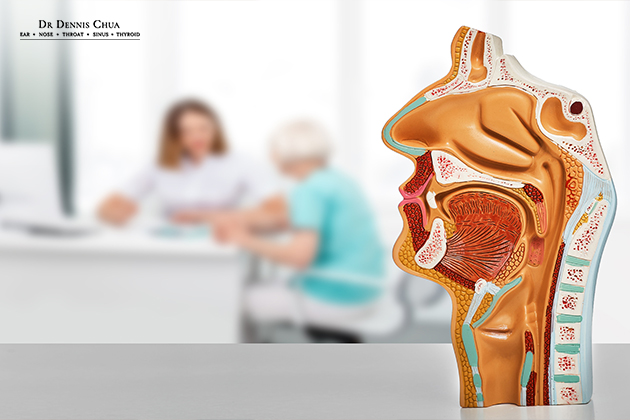
Living with ear, nose, and throat (ENT) conditions can be incredibly frustrating. Whether it’s the constant ringing in your ears, the persistent nasal congestion that impacts your daily life, or the soreness in your throat that just won’t go away, these issues can disrupt your routine and well-being. These issues, ranging from mild to severe, are common for many, leaving you unsure of where to turn for relief.
This is where an ear, nose and throat specialist can help. They diagnose and treat conditions that affect your ears, nose, and throat. Whether it’s managing chronic conditions, providing treatments for acute symptoms, or performing surgical interventions when necessary, seeing the ENT doctors in Singapore can help bring clarity and effective solutions to your health concerns.
In this guide, we’ll cover common conditions that affect these interconnected regions. From ear infections and hearing loss to sinus issues and sore throats, we’ll dive into the symptoms, causes, and treatment options available. For those seeking to understand how ENT specialists can help, this guide will provide valuable insights into the wide variety of conditions they treat.
Common Ear Conditions
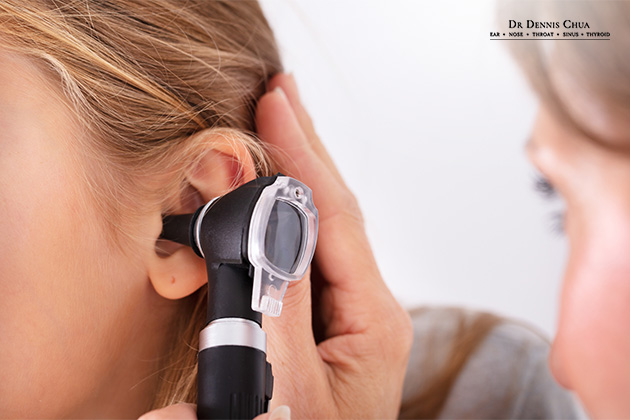
Let’s begin with the first letter in ENT—Ears. Our ears are essential for not just hearing but also maintaining balance. When things go wrong, it can affect everything from communication to daily activities. Let’s explore the most common ear problems people face, from ear infections to hearing loss, and how ENT specialists can provide the right solutions.
1. Ear Infections
Ear infections, particularly otitis media, are one of the most common conditions treated by ENT specialists, especially in children. An ear infection occurs when bacteria or viruses invade the middle ear, leading to inflammation and fluid accumulation. This condition can cause significant discomfort and, if left untreated, may lead to more severe complications, such as hearing loss or recurrent infections.
Symptoms and Diagnosis
Common symptoms of an ear infection include ear pain, fever, irritability, difficulty hearing, and fluid draining from the ear. In children, you may notice them pulling or tugging at their ears or being unusually fussy. The ENT specialist will typically conduct a physical exam, using an otoscope to look inside the ear for signs of infection, inflammation, or fluid buildup. In some cases, they may also conduct hearing tests to check for any temporary hearing loss associated with the infection.
Causes and Risk Factors
Ear infections are often caused by respiratory infections such as colds or flu, which can lead to fluid buildup in the middle ear. Allergies, sinus infections, or exposure to secondhand smoke can also increase the likelihood of developing ear infections.
Treatment Options
Treatment for ear infections often depends on the severity and cause of the infection. Mild cases may resolve on their own with proper care and monitoring, while more severe bacterial infections are treated with antibiotics. Pain relievers and fever reducers, like ibuprofen, may also help manage discomfort.
In some cases, when ear infections become recurrent, the insertion of tympanostomy tubes (also known as ear tubes) may be recommended to help drain fluid and prevent future infections.
2. Hearing Loss
Hearing loss is a significant concern for many individuals and can be caused by several factors including age, excessive noise exposure, infections, or genetic conditions. For those experiencing hearing loss, it can impact daily life by making communication difficult and reducing overall quality of life.
Types of Hearing Loss
Hearing loss is categorised into three primary types: conductive, sensorineural, and mixed.
- Conductive hearing loss occurs when sound waves are not effectively conducted through the outer or middle ear, often due to issues like ear infections, fluid in the middle ear, or earwax buildup.
- Sensorineural hearing loss happens when there is damage to the inner ear (cochlea) or the auditory nerve, often caused by ageing, prolonged exposure to loud sounds, or certain medical conditions.
- Mixed hearing loss is a combination of both conductive and sensorineural hearing loss.
Causes and Risk Factors
The causes of hearing loss can vary depending on the type. Age-related hearing loss, known as presbycusis, is one of the most common causes of sensorineural hearing loss. Over time, the inner ear structures and nerves may deteriorate, leading to a gradual decline in hearing ability.
Prolonged exposure to loud noises, such as from machinery, concerts, or headphones, can also cause permanent hearing damage. Other risk factors include ear infections, trauma to the ear, certain medications (ototoxic drugs), and family history of hearing loss.
Management and Treatment Options
The consultation will typically begin by conducting a thorough hearing evaluation to determine the type and extent of hearing loss. Depending on the diagnosis, treatment options may include:
- Hearing aids: These devices amplify sound and are often used for individuals with sensorineural hearing loss. They come in various styles and sizes, designed to fit different needs.
- Cochlear implants: For those with severe or profound sensorineural hearing loss, cochlear implants can be a viable option. This surgically implanted device stimulates the auditory nerve directly, bypassing damaged parts of the ear.
- Medical or surgical interventions: For conductive hearing loss, treatments may involve medical management (e.g., antibiotics for ear infections) or surgery to address underlying issues such as a perforated eardrum or otosclerosis (abnormal bone growth in the ear).
Common Nose Conditions

Moving on to the next key area of ENT care: the nose and sinuses. Nose-related issues can significantly impact your quality of life, affecting your ability to breathe comfortably, sleep well, and even enjoy food. These issues can range from a simple cold to more serious conditions like sinusitis or nasal polyps. Here’s a closer look at some common nose and sinus problems.
1. Allergic Rhinitis
Allergic rhinitis, also known as hay fever, is an immune system reaction to airborne allergens such as pollen, dust mites, or pet dander. For those suffering from its effects, the ENT surgeons can provide effective solutions to alleviate symptoms and prevent long-term complications.
Symptoms and Diagnosis
Common symptoms of allergic rhinitis include frequent sneezing, nasal congestion, a clear nasal discharge, and eye irritation. People may also experience fatigue due to disrupted sleep, caused by constant nasal congestion or itching.
Diagnosis of allergic rhinitis typically involves a comprehensive medical history review, a physical examination, and may include allergy testing to pinpoint specific allergens. .
Causes and Triggers
Allergic rhinitis is triggered by the body’s immune response to harmless substances in the air. Pollen, mold spores, pet dander, and dust mites are common culprits. Some individuals may experience more severe reactions during certain seasons when pollen levels are high, while others may struggle with year-round symptoms.
If you’ve been dealing with ongoing symptoms or seasonal flare-ups, consulting one of the ENT surgeons in Singapore can help you identify the triggers and develop an action plan to manage your condition.
Treatment and Management Options
The management of allergic rhinitis focuses on symptom relief and avoiding known allergens. Over-the-counter antihistamines can help relieve sneezing and itchy eyes, while nasal corticosteroids are often prescribed to reduce inflammation.
For those with persistent or severe symptoms, allergy shots (immunotherapy) may be recommended. This treatment gradually desensitises the immune system to specific allergens, offering long-term relief. A consultation with the ENT surgeon can help you find the most suitable treatment plan to improve your quality of life.
2. Sinusitis
Sinusitis, or inflammation of the sinuses, can be acute, usually resulting from a viral infection, or chronic, where symptoms persist for 12 weeks or longer. When sinusitis becomes chronic, it can severely affect your daily activities, leading to pain, congestion, and even a decreased sense of smell.
Symptoms and Diagnosis
The symptoms of sinusitis include facial pressure or pain, nasal congestion, post-nasal drip (mucus running down the throat), and a reduced sense of smell. In some cases, you may also notice discoloured nasal discharge, which indicates the presence of infection.
A thorough clinical evaluation is often sufficient for diagnosing sinusitis, but for more complex cases, your sinus specialist may recommend imaging studies such as a CT scan to assess the extent of the condition. Seeking advice from the sinus surgeon will ensure accurate diagnosis and effective treatment options tailored to your needs.
Causes and Risk Factors
Sinusitis is typically caused by infections—viral, bacterial, or fungal—that lead to inflammation of the sinuses. Acute sinusitis often develops after a cold or respiratory infection, while chronic sinusitis may be due to ongoing issues such as allergies, nasal polyps, or structural abnormalities like a deviated septum. External factors like pollution, smoking, and frequent respiratory infections can also contribute to sinusitis.
Treatment Options
Treatment for sinusitis varies depending on whether it’s acute or chronic. Acute sinusitis often resolves on its own with the help of over-the-counter decongestants, saline nasal sprays, and rest. In cases of bacterial sinusitis, your doctor may prescribe antibiotics to treat the infection.
Chronic sinusitis may require more intensive management, including nasal corticosteroids to reduce inflammation, saline irrigation to clear nasal passages, and possibly even surgery to improve sinus drainage. Regardless of the severity, consulting with some of the sinus surgeons will ensure a treatment plan that addresses the underlying causes and provides lasting relief from sinusitis.
3. RhinoplastyRhinoplasty
Rhinoplasty is one of the many services provided by ENT clinics in Singapore. It is a surgical procedure that involves reshaping the nose. Patients who experience difficulty breathing due to the way their nose is constructed can consider rhinoplasty as a treatment option if their doctor considers them an eligible candidate. From fixing a deviated septum or broken nose, the primary purpose of rhinoplasty lies in helping patients breathe better. Apart from correcting medical conditions associated with breathing, rhinoplasty may also be performed simply to enhance one’s facial appearance, by altering the bone, cartilage, skin or all three. There are no standard processes and each procedure is carried out based on each patient’s unique condition. Hence, it is highly advisable to consult your ENT specialist to understand what works best for you and your requirements.
Common Throat Conditions

The last important area an ENT specialist cares for is the throat. The throat is an essential passageway for both air and food, and any throat-related issues here can significantly impact daily activities, from speaking and swallowing to breathing.
1. Sore Throat
Sore throat, or pharyngitis, is one of the most common complaints patients have, with causes ranging from viral infections to allergies and irritants.
Symptoms and Diagnosis
The symptoms of a sore throat can range from mild discomfort to intense pain when swallowing. Common signs include a scratchy or dry throat, difficulty swallowing, swollen lymph nodes, and even fever. A thorough physical examination, including a throat swab, is often necessary to determine whether the sore throat is caused by a bacterial infection such as streptococcus or a viral infection.
Causes and Risk Factors
Most sore throats are viral in nature, caused by illnesses like the common cold or influenza. However, bacterial infections, particularly streptococcus, are also common causes. Environmental factors such as smoking, dry air, and exposure to allergens can also irritate the throat. Individuals with weakened immune systems or chronic conditions like allergies are at a higher risk of developing persistent sore throats.
Treatment Options
Treatment for sore throats depends on the cause. Viral sore throats often require only symptomatic relief, such as rest, hydration, and pain relievers. If the sore throat is bacterial, antibiotics may be prescribed to eliminate the infection.
For chronic or recurrent cases, such as tonsillitis, a tonsillectomy might be considered. Seeking advice from the ENT doctors in Singapore can help tailor the treatment to your specific needs and speed up recovery.
2. Sleep Apnea
Symptoms and Diagnosis
Causes and Risk Factors
Treatment Options
3. Voice Disorders (Dysphonia)
Dysphonia, or voice disorders, affects the quality and strength of the voice, often making it difficult for individuals to communicate effectively. Whether it’s hoarseness, breathiness, or a strained voice, these conditions can stem from overuse, infections, or structural problems within the vocal cords.
Types and Symptoms
Voice disorders can present in various ways, including hoarseness, difficulty projecting the voice, or even pain when speaking. The causes of these changes can either be functional, such as from misuse or overuse of the vocal cords, or organic, caused by structural abnormalities. ENT specialists evaluate the voice carefully and may suggest voice therapy or further diagnostic tests to pinpoint the underlying cause.
Causes and Risk Factors
Dysphonia can arise from conditions such as vocal cord nodules, polyps, or laryngitis. It may also be linked to neurological issues affecting the muscles that control the vocal cords. Risk factors include excessive voice use (such as in teachers, singers, or speakers), smoking, allergies, and acid reflux, which can irritate the vocal cords.
Treatment and Management Options
For mild voice disorders, conservative measures such as rest, hydration, and vocal therapy may be sufficient. However, for more severe cases, particularly when structural issues are present, surgery may be necessary. A speech-language pathologist may also be involved to help you strengthen and optimise your vocal cords through therapy.
Working with the ENT doctors in Singapore ensures that you receive comprehensive care, which can include lifestyle changes and possibly surgical intervention, depending on the severity of the condition.
4. Swallowing Difficulties (Dysphagia)
Swallowing difficulties, or dysphagia is critical to nutrition and overall health, and problems in this area can lead to severe complications if left untreated.
Symptoms and Diagnosis
People with dysphagia often experience difficulty initiating swallowing, coughing or choking during meals, and the sensation of food becoming lodged in the throat. These symptoms can lead to discomfort and sometimes more severe complications like malnutrition or dehydration.
A ENT doctor in Singapore will assess the symptoms through a detailed medical history, physical examination, and may recommend diagnostic tests like imaging studies or swallowing assessments to accurately identify the cause.
Causes and Risk Factors
Dysphagia can be caused by a range of factors. Neurological conditions, such as stroke or Parkinson’s disease, may impair the muscles used for swallowing. Structural issues, such as narrowing of the esophagus or muscle dysfunction, can also cause difficulty swallowing.
Environmental factors like GERD (gastroesophageal reflux disease) can further exacerbate symptoms. Those with certain medical conditions or the elderly are at greater risk of developing dysphagia.
Treatment Options
Treatment for dysphagia depends on its underlying cause. For individuals who have difficulty swallowing due to muscle weakness or coordination issues, speech therapy and exercises to improve swallowing function may be helpful. Dietary modifications, such as adjusting food textures or thickening liquids, can also aid in the safe swallowing of food.
In more severe cases, medication or surgery may be required to address the underlying issue. The ENT doctor in Singapore will work with you to develop a treatment strategy that enhances swallowing function and improves overall quality of life.
Frequently Asked Questions
1. What should I do if I experience persistent ear pain or hearing loss?
If you experience persistent ear pain or hearing loss, it is essential to consult some of the ENT doctors in Singapore. They will conduct a thorough examination to determine the underlying cause and recommend appropriate treatment. Early intervention can prevent potential complications, such as further hearing loss or recurrent infections.
2. How can I manage my allergic rhinitis symptoms?
Managing allergic rhinitis symptoms involves a combination of avoidance strategies and treatment options. Identifying and avoiding known allergens is crucial. Over-the-counter antihistamines and nasal corticosteroids can help relieve symptoms, while immunotherapy (allergy shots) may be recommended for long-term relief. Consult with an ENT specialist for personalised management strategies.
3. When should I seek medical attention for a sore throat?
You should seek medical attention for a sore throat if it persists for more than a few days, is accompanied by a high fever, difficulty swallowing, or difficulty breathing, or if you notice a rash or white patches on your tonsils. An ENT specialist can assess your condition, determine the cause, and provide appropriate treatment to alleviate your symptoms.
Entrust Your ENT Health to Dr. Dennis Chua
When it comes to maintaining the health of your ears, nose, and throat, seeking professional care from an experienced ENT specialist is essential. Whether you’re dealing with common conditions like allergic rhinitis or sore throats, or more complex issues such as sinusitis and voice disorders, early diagnosis and appropriate treatment can make all the difference.
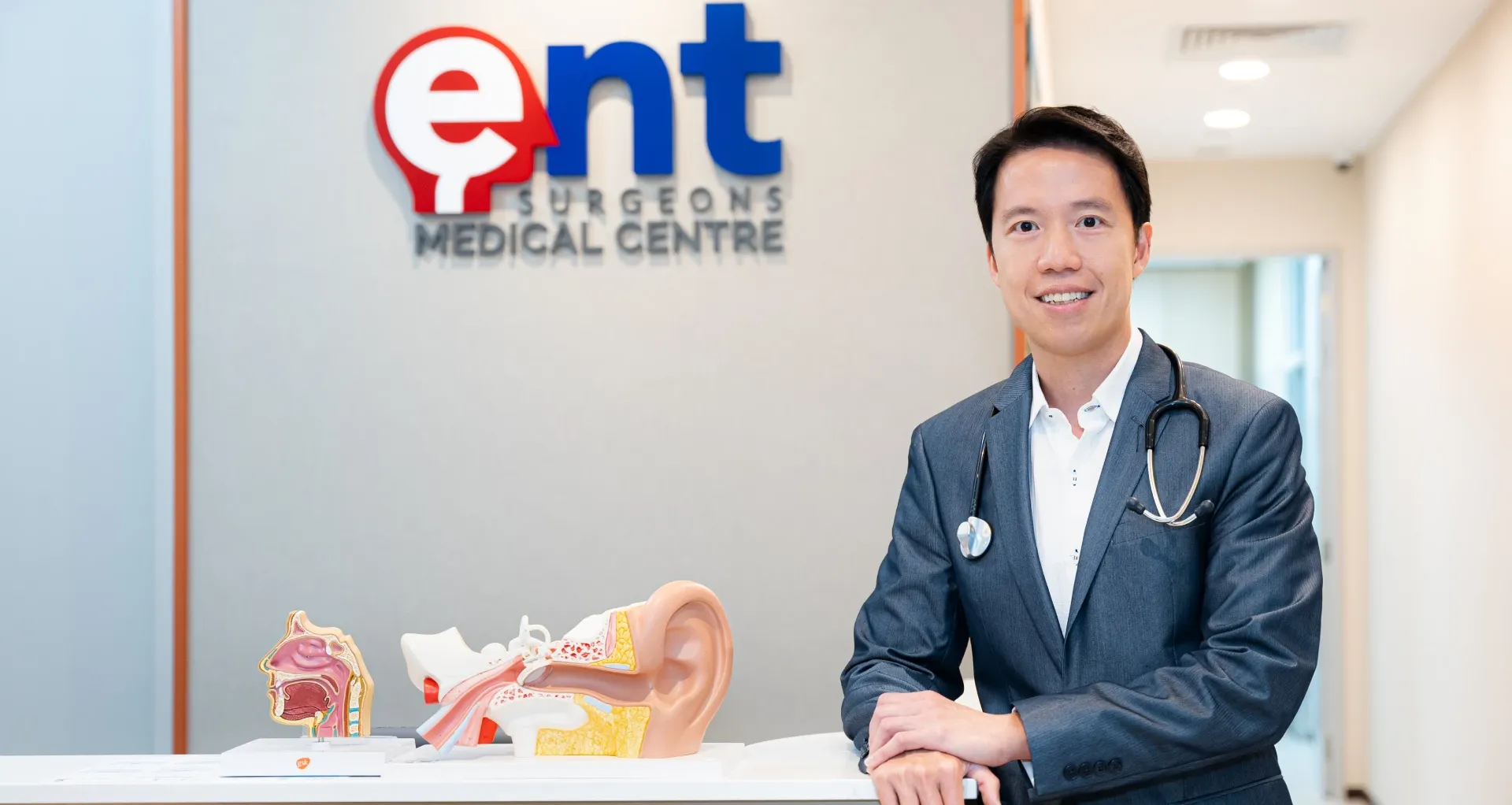
For expert care and treatment, look no further than Dr. Dennis Chua, a Ministry of Health-accredited ear, nose, and throat surgeon in Singapore. With over 15 years of medical experience, Dr. Chua has extensive expertise in treating complex nose and sinus diseases, breathing issues such as sleep apnoea, snoring, and thyroid disorders.
As a qualified ENT surgeon, Dr. Chua provides treatment for both adults and children, with the utmost care and attention that young patients need. Book a consultation with Dr. Dennis Chua today for personalised, professional ENT care.




 ENT Surgeons Medical Centre