

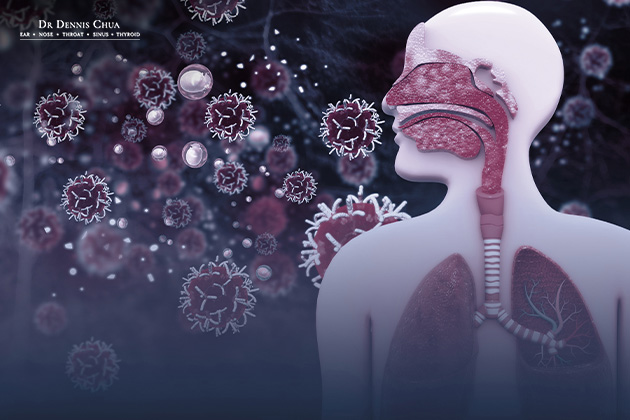
Sinusitis, characterised by inflammation of the paranasal sinuses, is a concerning condition that can significantly impact the quality of life. These hollow cavities in the facial bones surrounding the nose play a crucial role in respiratory health. However, when inflamed, they can cause considerable discomfort. Sinusitis is broadly categorised into viral and bacterial forms. Understanding these types, their symptoms, and when to seek professional care is essential for managing the condition.
Understanding Sinusitis
Sinusitis arises when the mucous membranes lining the paranasal sinuses become inflamed. While this inflammation is commonly caused by infections, allergies and other factors can also be triggers. Notably, sinusitis is prevalent in urban settings like Singapore, where environmental factors like air pollution and high humidity tend to exacerbate the condition.
Types of Sinusitis
There are two main types of sinusitis: viral and bacterial. Each type presents distinct symptoms and requires respective approaches for proper management. Recognising these differences helps to determine the appropriate course of action.
1. Viral Sinusitis
Viral sinusitis is the most common form, typically caused by viruses associated with colds and flu. Viral sinusitis symptoms include:
- Nasal congestion
- Clear nasal discharge
- Mild facial pressure or discomfort
- Symptoms lasting 7-10 days
Most cases of viral sinusitis resolve without medical intervention. Nonetheless, if symptoms persist for more than 10 days or worsen after 5-7 days, it may indicate a bacterial complication.
2. Bacterial Sinusitis
Bacterial sinusitis often develops after a viral infection. An inflamed sinus lining can trap mucus, creating an ideal environment for bacteria to thrive. Prompt medical attention is crucial to prevent further complications associated with sinus infection.
(i) Subtypes of Bacterial Sinusitis
Different subtypes of bacterial sinusitis can lead to varying symptoms and complications. Identifying the right subtype is important for choosing the most suitable treatment.
- Acute: Lasts less than four weeks.
- Subacute: Lasts between four and 12 weeks.
- Chronic: Persists for more than 12 weeks.
- Recurrent Acute: Occurs four or more times a year, with complete symptom resolution between episodes.
(ii) Symptoms of Bacterial Sinusitis
- Pressure or pain around the nose, forehead, cheeks, or eyes, often worsening when bending forward.
- Headaches
- Thick, discoloured nasal discharge.
- Stuffy nose.
- Reduced sense of smell and taste.
- Bad breath.
Additional symptoms may include coughing, post-nasal drip, ear pain or fullness, fever, and fatigue. Toothache can occur if the infection is linked to dental issues.
Sinus Infection Complications
If left untreated, sinus infections can result in a range of complications. These issues can affect other areas of the body, leading to more serious health concerns. Be aware of the following potential complications:
- Spread of infection to nearby structures, including the eyes or brain.
- Chronic inflammation causes prolonged discomfort.
- Development of abscesses or bone infections.
Recognising these risks underscores the importance of consulting a sinus specialist in Singapore when symptoms persist or worsen.
Bacterial Sinusitis Treatment
Generally, treatment for bacterial sinusitis involves antibiotics to eradicate the infection. In some cases, additional interventions such as nasal irrigation, decongestants, or corticosteroids may be recommended. For severe or chronic cases, sinus surgeons might perform procedures to restore proper sinus drainage and alleviate symptoms.
When to Seek Help
If you experience persistent symptoms or suspect complications of sinusitis, consider consulting an ENT near you. Early diagnosis and treatment can prevent further health issues and improve your quality of life.
Singapore is home to expert surgeons who specialise in managing complex cases of bacterial and viral sinusitis. Among them, Dr Dennis Chua – ENT Surgeons Medical Centre is dedicated to offering personalised medical care. Let our expertise guide you towards respiratory comfort today.
Contact us for more information.




 ENT Surgeons Medical Centre