

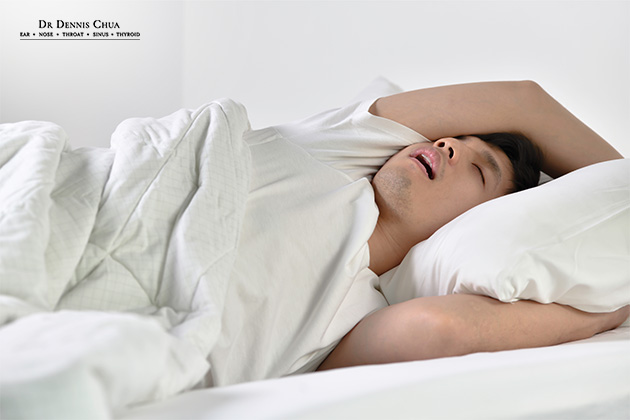
If persistent snoring or daytime fatigue has become part of your daily life, it might be more than just a nuisance. These symptoms may signal a deeper issue, such as obstructive sleep apnea (OSA) or another sleep disorder. To determine the root causes of sleep problems, a sleep study, or polysomnography, is a key diagnostic tool to help identify an effective sleep apnea treatment. In this article, we will dive into the health risks associated with snoring, and what you can expect during the treatment.
Recognising the Signs of Sleep Disorders
Snoring is often dismissed as harmless, but it can be a sign of underlying sleep disorders that impact your health and quality of life. Persistent snoring, especially when accompanied by daytime fatigue or difficulty concentrating, possibly indicates sleep disorders. Conducting a sleep disorder diagnosis can help identify what triggers the symptoms.
- Feedback from a bed partner
If your partner notices irregular breathing, choking, or gasping sounds during sleep, these are often red flags.
- Daytime symptoms
Waking up feeling unrefreshed, experiencing morning headaches, or struggling with excessive tiredness throughout the day indicates that your sleep quality is compromised. Ignoring these signs can lead to serious health risks, making early diagnosis crucial.
Increased Risk of Sleep Apnea in Women Post-Menopause
Identifying the signs of sleep disorders is vital for addressing potential health risks. While snoring is a common symptom, it may not always be the most noticeable sign, especially for women.
Women are at a higher risk of developing sleep apnea after menopause. However, snoring isn’t always a clear indicator. Instead, women may experience symptoms like poor-quality sleep and insomnia. This potentially leads to more serious health issues such as cardiovascular problems and daytime fatigue.
Health Risks Associated with Snoring
While snoring might seem like a minor annoyance, it can have serious implications for your health. Recognising the health risks associated with snoring is the first step towards protecting your well-being.
- Oxygen deprivation during sleep
Interrupted breathing can reduce blood oxygen levels, putting a strain on your heart and brain.
- Increased risk of chronic conditions
Untreated snoring and sleep apnea have been linked to a range of serious health issues like heart disease, high blood pressure, insulin resistance, and even Alzheimer’s disease.
Why a Sleep Study is Essential
A sleep study is designed to identify the underlying cause of your snoring or sleep disturbances. For many, a sleep study procedure confirms whether they have OSA or another condition requiring treatment.
- Comprehensive diagnosis
A sleep study provides detailed data on your sleep patterns, breathing interruptions, and oxygen levels.
Prevention of complications
Early diagnosis through a sleep study can prevent long-term health issues associated with untreated sleep disorders.
- Fatigue
- Work (memory, concentration)
- School
- Hypertension
- Diabetes
- Heart disease/ Stroke
- Early onset dementia
- Depression
What to Expect During a Sleep Study
During a sleep study, specialists monitor various physiological functions to assess how well you sleep and if there are any abnormalities. A typical polysomnography records:
- Blood oxygen levels: To detect potential oxygen deprivation.
- Brain waves: To monitor sleep stages and disruptions.
- Eye and leg movements: To spot any abnormal activity during sleep.
Based on the insights from this non-invasive procedure, your ear nose throat specialist can develop a personalised treatment plan for you.
Considering Additional Assessments
In some cases, a sleep study might reveal structural issues in the airway contributing to sleep disturbances. Additional imaging, such as a CT scan or MRI, can help diagnose:
- Nasal blockages
- Enlarged tonsils
- Deviated septum
These obstructive sleep apnea assessments allow your ENT snoring specialist to determine whether surgical intervention is necessary.
Treatment Options for Sleep Apnea
If your sleep study confirms a diagnosis of OSA, there are several treatment options available:
- Lifestyle modifications
Weight management, avoiding alcohol, and improving sleep hygiene can reduce symptoms.
- Continuous Positive Airway Pressure (CPAP)
A CPAP machine delivers steady air pressure to keep your airway open during sleep.
- Surgery
In severe cases, surgical procedures can remove or reshape tissue causing airway blockages.
Take Control of Your Sleep Health
Don’t let sleep disorders like OSA go undiagnosed. If you are experiencing persistent snoring or other symptoms, schedule a consultation with Dr Dennis Chua at the ENT Surgeons Medical Centre today. Let us provide early diagnosis and appropriate treatment so that you can enjoy restful nights and energised days once again.
Contact us for more information.




 ENT Surgeons Medical Centre