

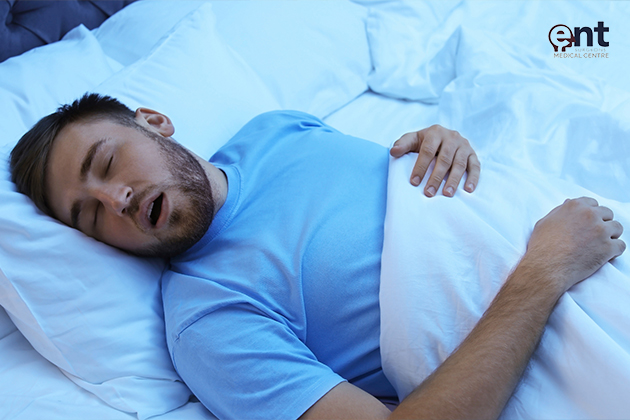
Sleep apnea is a common sleep disorder that affects millions of people worldwide, including many in Singapore. Characterised by repeated interruptions in breathing during sleep, this condition can disrupt the natural sleep cycle and trigger various health issues. While the physical effects of sleep apnea, such as fatigue and daytime sleepiness, are well known, the impact on mental health and wellbeing is often overlooked. In this article, we will explore how sleep apnea may lead to anxiety, depression, and cognitive decline; and discuss the importance of early diagnosis and integrated treatment approaches.
Impact of Sleep Apnea on Anxiety and Depression
One significant mental health consequence of untreated sleep apnea is its effect on emotional regulation. Sleep fragmentation — when sleep is repeatedly interrupted throughout the night — often makes it difficult for the brain to process emotions properly. This disruption can result in increased feelings of anxiety, irritability, and sadness. In some cases, it even causes depression.
When we sleep, our brains go through essential restorative processes, including emotional regulation. Sleep apnea, however, disrupts this process by lowering oxygen levels. This in turn affects the brain’s ability to regulate mood. As a result, individuals with untreated sleep apnea may experience higher levels of stress, anxiety, and emotional instability.
Moreover, the persistent fatigue and sleepiness that come with sleep apnea can exacerbate these symptoms. Individuals may feel exhausted throughout the day, potentially increasing irritability and making it harder to cope with stress. Eventually, it creates a vicious cycle, where the mental health symptoms worsen and further impact emotional regulation.
Cognitive Function and Memory Impairment
Sleep apnea’s effects extend beyond mood disorders to cognitive function. The repeated drops in oxygen levels during sleep may jeopardise brain health, escalating to cognitive decline and memory impairment.
In addition, some with sleep apnea often experience difficulty concentrating, short-term memory loss, and a general sense of cognitive fog. These cognitive issues tend to affect their daily lives, making it harder to perform routine tasks, maintain focus, and remember important information. In severe cases, untreated sleep apnea even causes long-term cognitive impairment, which can have a lasting effect on overall mental health and wellbeing
The Vicious Cycle Between Sleep Apnea and Mental Health
One challenging aspect of sleep apnea is the negative feedback loop it creates with mental health. Mental health conditions such as anxiety and depression possibly exacerbate the severity of sleep apnea. For example, anxiety makes it difficult for individuals to fall asleep, leading to even more fragmented sleep and worse symptoms of sleep apnea. This highlights the importance of recognising the relationship between sleep apnea and mental health and wellbeing.
The Importance of Early Diagnosis and Treatment
Early diagnosis and treatment of sleep apnea are crucial for individuals who experience mental health symptoms. Often, conditions such as depression and anxiety can mask the underlying sleep disorder, making it difficult to identify the root cause of the problem.
At an ENT clinic in Singapore, experienced ENT surgeons are able to diagnose and treat sleep apnea effectively, helping to break the cycle of poor sleep and poor mental health. An integrated treatment approach —- combining lifestyle changes, medical treatments, and therapy —- should be practised to manage both the physical and emotional aspects of the condition.
If you are experiencing symptoms of sleep apnea or struggling with mental health issues, it is important to consult a reliable ENT surgeon in Singapore. At Dr Dennis Chua – ENT Surgeons Medical Centre, we offer personalised and comprehensive treatment plans to guide you towards improved mental health and wellbeing.
Contact us to learn more.





 ENT Surgeons Medical Centre