


If you often find yourself sneezing uncontrollably, dealing with a stuffy nose, or constantly rubbing your itchy eyes, you know how frustrating they can be. These symptoms can disrupt your day, make it hard to concentrate, and impact your quality of life. What many people don’t realise is that these seemingly minor issues could be linked to a common condition called allergic rhinitis. This condition occurs when your immune system overreacts to allergens in the environment, triggering inflammation in the nasal passages.
Allergic rhinitis, also known as hay fever, can be seasonal (triggered by pollen during specific times of the year), or perennial, where symptoms persist year-round, often due to dust mites, pet dander, or mould. Whether it’s sneezing in the spring or battling a stuffy nose every day, the discomfort can often be managed with the right knowledge and approach.
This guide provides a comprehensive overview of this condition, from understanding its causes to exploring effective management and allergic rhinitis treatment strategies. We’ll delve into the different allergens that trigger symptoms, how this condition can affect your daily life, and the importance of seeking a proper diagnosis from an ENT specialist.
Additionally, we’ll examine a variety of allergic rhinitis treatment options, including medications, allergen avoidance, and lifestyle changes, so you can find the most effective solutions for relief. By the end of this guide, you’ll have a better understanding of allergic rhinitis and practical strategies to manage and alleviate its symptoms.
Let’s get right into it!
Causes of Allergic Rhinitis
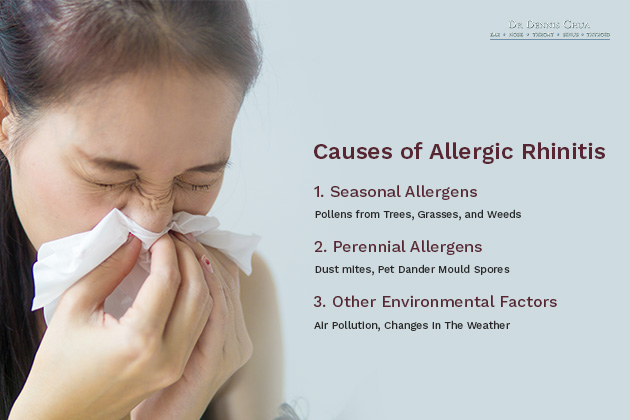
Allergic rhinitis can feel like your body is working against you, reacting to everyday substances that most people can breathe in without a second thought. At the heart of this condition is an overactive immune system that mistakes harmless allergens for dangerous invaders. When this happens, your body releases histamine and other chemicals, triggering those all-too-familiar symptoms like sneezing, itching, and a stuffy nose. Understanding what sparks this reaction is the first step toward managing the condition and finding relief.
1. Seasonal Allergens
For many, allergic rhinitis flares up during certain times of the year, thanks to seasonal allergens. The biggest culprits here are pollens from trees, grasses, and weeds. These tiny particles are released into the air during the growing seasons and they can be especially troublesome for those with sensitivities. During these times, the air is often thick with allergens, making it harder for those affected to escape the discomfort.
2. Perennial Allergens
Unlike seasonal triggers, perennial allergens are present year-round, making them harder to avoid. One of the most common perennial offenders is dust mites. These tiny creatures thrive in warm, humid environments, making your bedding, carpets, and upholstery their perfect home. For those who live in humid areas or have poor ventilation, dust mites can be a constant source of irritation.
Similarly, pet dander (tiny particles from the skin flakes, saliva, and urine of cats, dogs, and other furry friends) can be a year-round trigger. Even if you don’t directly touch your pets, the dander they shed can linger on furniture and clothing, setting off allergic reactions in sensitive individuals. Mould spores, which thrive in damp, poorly ventilated spaces like basements or bathrooms, can also contribute to ongoing symptoms
3. Other Environmental Factors
By identifying what triggers your allergic rhinitis, you’ll have the power to reduce your exposure and start managing symptoms more effectively either with allergic rhinitis treatments or lifestyle changes. Recognising whether your allergies are seasonal or perennial can help you anticipate when flare-ups might happen and allow you to take preventive action, whether it’s staying indoors during pollen season or keeping your home allergen-free.
How Allergic Rhinitis Affects Daily Life
When allergic rhinitis strikes, it doesn’t just stop at sneezing and a runny nose—it can affect every part of your day. The symptoms can feel relentless, impacting your ability to sleep, focus, and go about your routine. Here are some ways allergic rhinitis can interfere with your daily life.

1. Sleep Disruption
One of the most noticeable effects of allergic rhinitis is poor sleep quality. Nasal congestion makes it hard to breathe comfortably at night, leading to tossing and turning or waking up frequently. When the nose is blocked, it becomes difficult to get a restful night’s sleep, leaving you feeling drained the next morning. Chronic sleep disruption can lead to fatigue, mood swings, and difficulty concentrating throughout the day. Over time, this lack of rest can impact overall health, leaving you more vulnerable to other issues like stress and weakened immunity.
2. Impact on Productivity
Whether you’re working, studying, or just going about your daily tasks, allergic rhinitis can make it difficult to focus. Constant sneezing, a runny nose, and itchy eyes demand attention, making it hard to concentrate on important tasks. In work or academic environments, this can lead to reduced performance. Meetings, deadlines, and even social interactions at work can be affected as individuals struggle to cope with the discomfort of their symptoms. In some cases, this might also result in absenteeism, as the discomfort becomes unbearable or worsens due to lack of proper management.
3. Social and Recreational Limitations
Imagine trying to enjoy a weekend out with friends or a day in the park, only to be constantly distracted by itchy eyes or a sneezing fit. Social activities and hobbies can also take a hit, as people with allergic rhinitis often feel self-conscious about their symptoms. Persistent sneezing or a runny nose can make social interactions feel awkward, causing individuals to withdraw or avoid certain situations. For those who enjoy outdoor activities, seasonal pollen can limit the ability to participate in their favourite pastimes. This sense of isolation can impact mental well-being, further complicating the management of the condition.
4. Complications with Other Health Conditions

Another way allergic rhinitis affects daily life is through its impact on other health issues. For individuals with asthma, allergic rhinitis can worsen breathing problems, leading to increased use of inhalers and potential flare-ups. Additionally, the inflammation caused by allergic rhinitis can lead to sinus infections or exacerbate pre-existing sinusitis, making the nasal passages even more irritated and congested. In these cases, allergic rhinitis doesn’t just affect the nose, it affects the entire respiratory system, creating a cycle of ongoing symptoms that require constant attention and ongoing allergic rhinitis treatment.
In all of these ways, allergic rhinitis can influence more than just physical comfort, it can interfere with productivity, social interactions, and overall mental well-being. The good news is that with proper management, these disruptions can be minimised.
So, if you’re experiencing these symptoms, the next section will walk you through the diagnostic process, ensuring you receive the right allergic rhinitis treatment plan tailored to your needs.
Diagnostic of Allergic Rhinitis
Getting a proper diagnosis is the first step in effectively managing allergic rhinitis. Although the symptoms might seem obvious—sneezing, runny nose, itchy eyes—the diagnostic process involves more than just identifying these signs. Here’s how this condition is properly diagnosed.
1. Medical History Assessment
When you first consult an ENT specialist, they will begin by reviewing your medical history. This assessment provides crucial insights into your symptoms, the timing and frequency of your allergic reactions, and any environmental factors that might be contributing to your condition. For example, if your symptoms worsen during certain seasons or in specific environments (like your home or workplace), the doctor may suspect allergic rhinitis. Your specialist will also ask about family history, as allergies tend to run in families. This thorough history-taking allows the doctor to understand the full scope of your symptoms and any other health issues that might be influencing your condition.
2. Physical Examination
Following the history assessment, the ENT specialist will conduct a physical examination. This usually involves checking your nasal passages, throat, and ears for signs of inflammation or irritation. By inspecting the nasal passages and sinuses, the doctor can determine if there are any visible obstructions, such as swollen tissues, polyps, or excess mucus. The doctor might also examine the ears to rule out related issues, as fluid buildup behind the eardrum can sometimes occur with allergic rhinitis. The goal is to ensure that symptoms are consistent with allergic rhinitis and not related to another condition like a sinus infection or a cold.
3. Allergy Testing
The next step is often allergy testing, which helps pinpoint the exact allergens triggering your symptoms. There are two common types of tests:
Skin Prick Test:
During this test, small amounts of allergens are introduced to your skin, usually on your forearm or back. If you’re allergic to a substance, your skin will react by forming a small raised bump. This test is quick, typically completed in less than 30 minutes, and can identify specific allergens such as pollen, pet dander, or dust mites.
Blood Test:
If you prefer not to undergo a skin test, a blood test can measure the level of specific IgE antibodies that are produced by the immune system in response to allergens. While blood tests may take longer for results, they can be an effective alternative for those with sensitive skin or certain medical conditions.
4. Nasal Endoscopy (if necessary)

In some cases, a nasal endoscopy may be recommended to get a closer look at the nasal passages and sinuses. This procedure (which can also be a treatment for sensitive noses) involves inserting a small, flexible tube with a camera at the tip into the nose. It allows the specialist to examine areas that are difficult to see with a standard physical exam.
Together, these diagnostic steps help confirm the presence of allergic rhinitis and identify the specific allergens triggering the symptoms. This tailored approach ensures that you receive the most effective allergic rhinitis treatment plan for your individual needs.
Allergic Rhinitis Treatment Options
Now comes the various allergic rhinitis treatment options to manage symptoms and improve your quality of life. Since this is a chronic condition, allergic rhinitis treatment typically involves a combination of strategies, including medications, allergen avoidance, and lifestyle modifications.
1. Medications
Medications are the foundation in managing allergic rhinitis. They help reduce inflammation, relieve symptoms, and improve comfort. Some of the most commonly prescribed options include:
Antihistamines:
Available over-the-counter or by prescription, antihistamines block histamine, a substance that triggers allergic reactions. They help alleviate common symptoms like sneezing, runny nose, and itchy eyes. Antihistamines come in various forms, including tablets, nasal sprays, and eye drops. While some antihistamines may cause drowsiness, newer non-sedating versions are available for daytime use without the risk of fatigue.
Nasal Corticosteroids:
These prescription nasal sprays are effective in reducing inflammation in the nasal passages. They are considered one of the most effective long-term allergic rhinitis treatments and help control symptoms such as congestion, sneezing, and runny nose. Nasal corticosteroids are typically used daily and may take a few days to show full results.
Decongestants:
These medications, often available as oral tablets or nasal sprays, help relieve nasal congestion by constricting blood vessels in the nasal passages. However, decongestants should not be used for more than a few days at a time, as prolonged use can lead to a rebound effect, worsening the congestion.
2. Allergy Management Strategies
Allergen Avoidance:
Identifying and minimising exposure to allergens is one of the most effective ways to manage allergic rhinitis. This can include practical changes like keeping windows closed during high pollen seasons, using dust mite-proof covers on pillows and mattresses, and reducing pet dander exposure by keeping pets out of bedrooms.
Immunotherapy
For those who have persistent symptoms despite medication, immunotherapy (allergy shots or sublingual tablets) can be a beneficial long-term allergic rhinitis treatment option. This involves gradually desensitising the immune system to specific allergens over time, which can lead to sustained relief even after the allergic rhinitis treatment ends.
3. Lifestyle Modifications
Along with medications, lifestyle changes can help reduce symptoms. Using air purifiers, maintaining a clean living space, and ensuring proper humidity levels in your home can reduce allergen exposure. Staying hydrated and using saline nasal sprays to rinse allergens from the nasal passages can also provide relief from congestion and irritation.
Together, these allergic rhinitis treatment options form a comprehensive approach to managing allergic rhinitis. Tailoring a plan that suits your specific triggers and symptoms will help you effectively control the condition and maintain a better quality of life.
Frequently Asked Questions
1. How do I know if I have allergic rhinitis?
Allergic rhinitis is characterised by symptoms such as sneezing, nasal congestion, runny nose, itchy eyes, and postnasal drip. If you experience these symptoms, especially in relation to exposure to allergens like pollen or dust, it may indicate allergic rhinitis. To confirm your diagnosis, it’s best to consult an ENT specialist who can perform a thorough evaluation and sensitive nose allergy testing.
2. What are the long-term effects of untreated allergic rhinitis?
If left untreated, allergic rhinitis can lead to several complications, including chronic sinusitis, asthma exacerbations, and sleep disturbances. It may also negatively impact your quality of life, leading to decreased productivity, difficulty concentrating, and social withdrawal. Seeking appropriate allergic rhinitis treatment can help prevent these long-term effects and improve your overall well-being.
3. Are there any natural remedies for allergic rhinitis?
While there are no guaranteed natural cures for allergic rhinitis, some individuals find relief through certain home remedies. These may include saline nasal rinses to clear allergens from the nasal passages, using a humidifier to maintain moisture in the air, or consuming local honey, which some believe may help with pollen allergies. However, it is essential to discuss any natural remedies with your healthcare provider to ensure they are safe and effective for your specific situation.
Taking Control of Allergic Rhinitis with Dr Dennis Chua
Allergic rhinitis can significantly impact your overall life, but with the right understanding and allergic rhinitis treatment strategies, it is possible to manage the symptoms and regain control. From identifying triggers to exploring various allergic rhinitis treatment options, such as medications, lifestyle changes, and immunotherapy, the key to living allergic rhinitis free lies in a personalised approach that addresses both your immediate symptoms and long-term health.
So, if you’re struggling with allergic rhinitis or suspect that you might be dealing with this condition, seeking professional care is a critical step toward effective management. Dr Dennis Chua is a Ministry of Health-accredited ear, nose, and throat surgeon with over 15 years of experience in treating complex nose and sinus diseases, including allergic rhinitis. His expertise spans not just adults but also children, ensuring that young patients receive the dedicated care they need.
Ready to take control of your allergic rhinitis symptoms? Schedule a consultation with Dr Dennis Chua today. With his expertise, you can explore the best options for your specific condition and work together toward lasting symptom relief and improved life.





 ENT Surgeons Medical Centre