

- Home >
- Adult & Kids ENT >
- Sleep Apnea
Sleep Apnea Treatment in Singapore
What is Sleep Apnea?
Sleep apnea is a common sleep disorder where breathing repeatedly stops and starts during sleep. These breathing interruptions, called apneas and hypopneas, disrupt sleep and reduce oxygen delivery to the brain and body. The most common type, obstructive sleep apnea (OSA), occurs when throat muscles relax excessively, blocking the airway. This often causes loud snoring, choking, or gasping sounds. Untreated sleep apnea can increase the risk of serious health issues such as high blood pressure, stroke, and heart disease.
According to a study by the National University Health System, nearly one‑third of Singaporeans suffer from moderate to severe sleep apnea. These high numbers are exacerbated by factors like urban stress, sedentary lifestyles, and rising obesity rates. This highlights the importance of early identification and appropriate sleep apnea treatment in Singapore.

Types of Sleep Apnea
There are three main types of sleep apnea, each with distinct causes and treatment approaches. Identifying the type is important for guiding the appropriate course of care.
Obstructive Sleep Apnea (OSA)
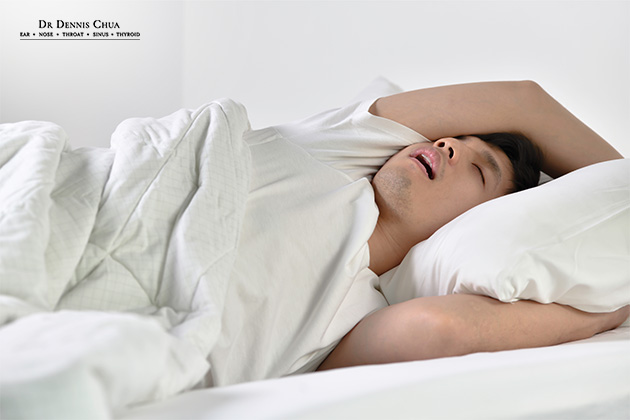
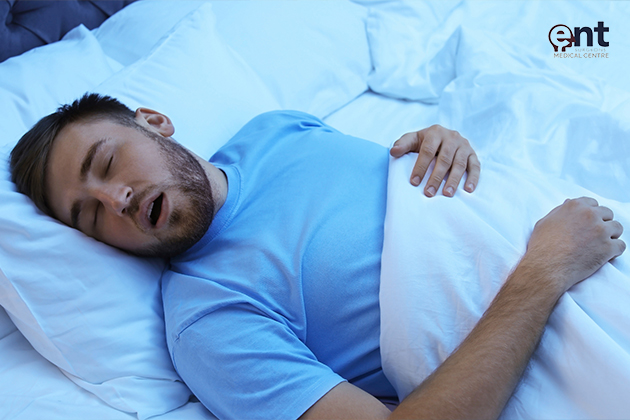
This is the most common form of sleep apnea. It occurs when the muscles at the back of the throat relax excessively during sleep, causing a temporary blockage of the airway. People with OSA may snore loudly, gasp for air, or experience repeated awakenings through the night.
Central Sleep Apnea (CSA)
CSA happens when the brain fails to send proper signals to the muscles that control breathing. Unlike OSA, there is no physical blockage—breathing simply stops due to disrupted communication. CSA is less common and may be linked to underlying conditions such as heart failure or neurological disorders.
Complex Sleep Apnea
Also known as treatment-emergent central sleep apnea, this type is a combination of OSA and CSA. It may occur in patients who initially receive therapy for OSA but continue to show central apnoea episodes. Further investigation and tailored treatment are needed in these cases.
What Causes
Obstructive Sleep Apnea
OSA can have various underlying causes, and in many cases, more than one factor may contribute to the condition. Identifying and understanding the causes is the first step toward seeking appropriate care for sleep area.
The causes can include, but are not limited to:
- Anatomical variation of facial bones
- Dental conditions such as a large overbite
- Enlarged adenoids and tonsils
- Deviated nasal septum and enlarged turbinates
- Obesity, which increases fat deposits around the airway and reduces lung volume
- Heavy tobacco and alcohol consumption
- Smoking-related inflammation or upper airway muscle dysfunction
- Chronic nasal congestion or allergies
The Serious Health Risks of Untreated Sleep Apnea
OSA can have negative consequences on the human body. For those seeking sleep apnea treatment in Singapore, understanding these risks is critical. Those with the condition may experience repeated episodes of oxygen lowering, changes in carbon dioxide levels, direct effects on the heart caused by pressure changes within the chest, and high levels of inflammatory markers.
If left untreated, these changes can lead to health problems such as cardiomyopathy, diabetes, heart attacks, heart failure, high blood pressure, and stroke. Untreated OSA can also affect a patient’s work or school performance and quality of life. Visit HealthHub for further information on the national guidelines and health risks related to sleep apnea.
How is Obstructive Sleep Apnea Diagnosed?
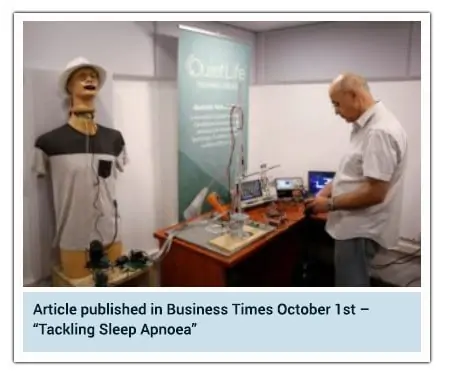
ENT specialists employ several diagnostic procedures to diagnose obstructive sleep apnea (OSA), aiming to evaluate the patient thoroughly and accurately.
Clinical Examination and Nasoendoscopy
A comprehensive clinical examination and flexible nasoendoscopy are used to assess the narrowest points in the nasal and oral passages. This quick and painless procedure helps identify any anatomical obstructions that may contribute to breathing difficulties during sleep.
Overnight Sleep Study (Nocturnal Polysomnography)
For a definitive diagnosis, an overnight sleep study, known as nocturnal polysomnography, is conducted. This test monitors various physiological parameters while the patient sleeps, including brain activity, heart rate, lung function, and oxygen levels. It also tracks breathing patterns, arm and leg movements, and the frequency of arousals during sleep.
Alternatively, home-based sleep studies can be conducted, reducing the “first-night effect” of hospital settings. These studies monitor apnea episodes, oxygen saturation, sleep stages, and awakenings, providing a comfortable environment while ensuring an accurate evaluation of sleep-disordered breathing patterns.
Sleep Apnea in Children
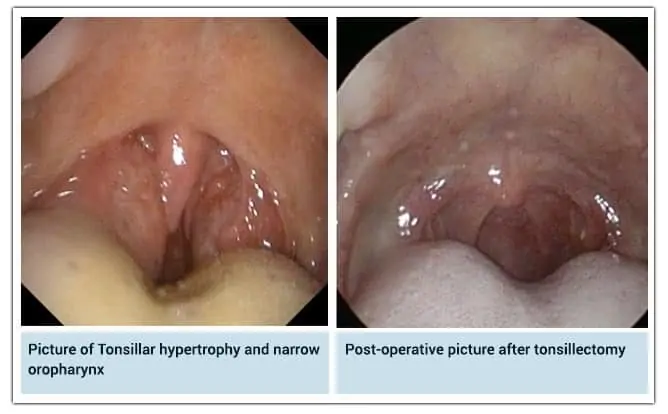
Dr. Dennis Chua is a knowledgeable ENT doctor who also manages paediatric ENT conditions like Obstructive Sleep Apnoea. OSA can occur in children as well. OSA in children has been recognised since the 1970s and since then the effects of paediatric OSA has been well-studied. Consequences of untreated obstructive sleep apnoea in Singapore include failure to thrive, enuresis (bed-wetting), attention-deficit disorder, behaviour problems, poor academic performance, and cardiopulmonary disease. The most common etiology of obstructive sleep apnoea in children is adenotonsillar hypertrophy.
Sleep Apnea in Children: The Role of Adenotonsillar Hypertrophy
Clinical diagnosis of obstructive sleep apnoea in the clinic is reliable and may not warrant a sleep study if the cause of OSA is obviously from the adenotonsillar hypertrophy. According to the American Academy of Otolaryngology 2011 Clinical Practice Guideline, a sleep study will be necessary in children who have comorbidities such as obesity, Down’s Syndrome, neuromuscular diseases, sickle cell disease or mucopolysaccharidoses. Overall, less than 10 percent of children who suffer from OSA will need a sleep study before surgery. Sleep apnoea in children if left untreated can result in significant learning impairment and poorer academic performance. Many children with sleep apnoea may be “mouth-breathers’ ‘ where they have to use their mouth to breathe at night. This is unnatural and over a long period of time can result in changes to facial skeleton, bite (occlusion) deformities.
Common Symptoms of Sleep Apnea
Did you know that in Singapore, sleep apnea affects a significant number of people, especially women? It’s often misunderstood, as individuals may experience symptoms beyond just snoring. If you’re feeling unusually tired, have trouble concentrating, or experience other subtle signs as below, it’s worth exploring further.
Fatigue

Insomnia

Morning headache

Lack of energy

Depression

Incidence increases during menopause
Risk Factors of Sleep Apnea
Obstructive sleep apnea (OSA) can affect individuals of various backgrounds and ages, but certain factors increase the likelihood of developing this condition. Understanding these risk factors is crucial for early detection and effective management.
Age and Gender
The risk of developing sleep apnea increases with age. Men are more commonly affected, though women may be at higher risk after menopause.
Body Weight and Obesity
Carrying excess weight, particularly around the neck and upper airway, can contribute to narrowing of the breathing passages during sleep.
Family History
Genetic traits such as a naturally narrow airway, enlarged tonsils, or certain jaw structures may predispose individuals to sleep apnea.
Lifestyle Habits
Smoking and heavy alcohol consumption may cause inflammation, muscle relaxation, or fluid retention in the airway, which can interfere with normal breathing during sleep.
Medical Conditions
Conditions such as hypertension, asthma, diabetes, and nasal congestion have been associated with higher sleep apnea risk. Managing these conditions may help reduce symptoms.
Anatomical and Structural Factors
Enlarged tonsils, a deviated septum, or a recessed chin may create physical obstructions in the airway, making it harder to maintain normal breathing during sleep.
When to See a Specialist for Sleep Apnea in Singapore
If you experience frequent snoring, disrupted sleep, daytime drowsiness, or unexplained fatigue, it may be time to seek medical evaluation. Sleep apnea in Singapore is common, and early diagnosis allows for timely management and reduces the risk of further complications. Book an appointment with Dr Dennis Chua for a thorough assessment and discussion of treatment options.
Treatment of Sleep Apnea
Treatment for sleep apnea depends on the type and severity of the condition. For many patients, addressing lifestyle and physical causes can greatly improve sleep and reduce symptoms.
Diet and Lifestyle Modifications
Lifestyle changes are often recommended for mild cases. These may include losing weight to reduce pressure on the airway, quitting smoking, avoiding alcohol before bedtime, and changing sleep positions to prevent lying flat on the back.
Medications
Medications are not used to treat sleep apnea directly, but they can help manage related conditions that worsen breathing at night. For instance, treating allergic rhinitis can ease nasal congestion, while saline nasal sprays help keep the airways clear and improve airflow, making it easier to breathe during sleep.
Oral Appliances
Mandibular advancement devices reposition the jaw slightly forward to keep the airway open during sleep. These are commonly used for mild to moderate sleep apnea.
A Continuous Positive Airway Pressure (CPAP) machine delivers gentle air pressure through a mask, keeping the airway open throughout the night. CPAP is often recommended for moderate to severe cases.
Surgery may be considered when anatomical issues are present or when other treatments prove ineffective. Possible procedures include removing or reducing soft tissue in the airway, repositioning the jaw, or using nerve stimulation to improve airway function.
Tracheostomy (reserved for more complex cases)
Benefits of Sleep Apnea Treatment
Improved Quality of Life
Effective treatment of sleep apnea leads to significantly improved sleep quality, reducing daytime sleepiness and fatigue. This improvement enhances overall daily functioning, productivity, and the ability to engage in activities without feeling excessively tired.
Long-term Prevention of Health Complications
Addressing this condition from the start enables individuals to potentially prevent or delay the onset of serious health conditions associated with untreated sleep disorders. This includes reducing the risk of developing diabetes, cognitive decline, and other chronic health issues.
Reduced Risk of Cardiovascular Problems
Treating the condition helps lower the risk of heart disease, high blood pressure, and stroke. Maintaining regular breathing patterns during sleep lessens the strain on the heart and cardiovascular system, promoting better overall heart health.
Enhanced Mental Health
Addressing sleep apnea can alleviate symptoms of depression, anxiety, and mood swings. Better sleep contributes to improved cognitive function, memory, and emotional stability, leading to better mental well-being.
Decreased Risk of Accidents
With improved sleep quality, individuals experience heightened alertness and concentration throughout the day. This reduces the likelihood of accidents at work, while driving, or during other daily activities that require focus and attention.
Healthier Weight Management
Treatment often involves lifestyle changes that support weight loss and healthy eating habits. Improved sleep and reduced fatigue can encourage individuals to engage in regular physical activity and maintain a balanced diet, contributing to healthier weight management.
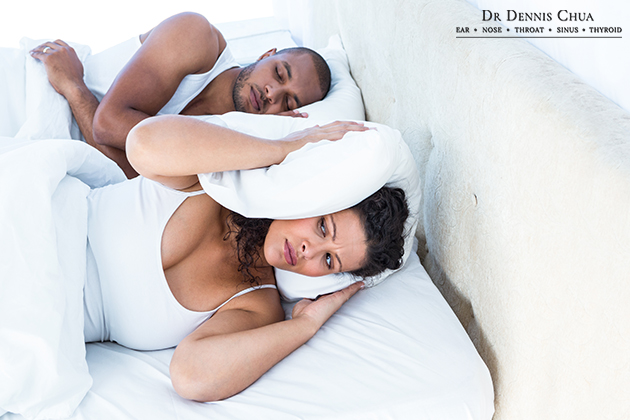
Improved Bed Partner Relationships
Effective treatment of snoring and sleep apnea can lead to better sleep for both the patient and their partner. Reduced interruptions in breathing improve sleep quality for partners, fostering better relationships and overall quality of life for both parties.
Dr Dennis Chua
Consultant ENT Specialist in Singapore
MRCS (Edinburgh), MMed (ENT), FAMS (ENT)
Dr Dennis Chua is a USA Fellowship-trained ENT specialist and Facial Plastic Surgeon with over 20 years of experience. He treats adults and children for a wide range of ENT conditions, including sinus and nasal disorders, allergies, snoring, ear infections, hearing loss, and thyroid or voice-related issues. A former Chief of Facial Plastic Surgery at Tan Tock Seng Hospital, Dr Dennis Chua is highly experienced in complex nose and sinus cases and serves as a Visiting Consultant at KK Women’s & Children’s Hospital.

FAQs About Sleep Apnea
Can I Treat Myself for Sleep Apnea?
What is the Fastest Way to Cure Sleep Apnea?
Is Sleep Apnea Linked to Other Health Problems?
Yes, untreated sleep apnea is associated with cardiovascular disease such as high blood pressure, heart attack, stroke, and type 2 diabetes.
Is It Possible to Have Sleep Apnea Without Snoring?
Yes, some individuals can have sleep apnea without loud snoring. Other symptoms may still be present, such as daytime drowsiness or fatigue.
What is the difference between snoring and sleep apnea?
While snoring is a common symptom of sleep apnea, not all snorers have the condition. Snoring is caused by the vibration of soft tissues in the throat, whereas sleep apnea involves actual pauses in breathing. Learn more about snoring and how to differentiate the two.
What is the cost of sleep apnea treatment in Singapore?
The cost of sleep apnea treatment in Singapore can vary based on the type of diagnostic test (such as polysomnography or home sleep test), the chosen treatment method (CPAP, oral appliance, surgery), and whether it is done in a public or private healthcare setting. Consultation fees, follow-ups, and device costs are typically itemised separately. You may wish to check with your clinic or insurance provider for a personalised estimate.
What are the warning signs of sleep apnea?
Common warning signs include loud snoring, choking or gasping during sleep, dry mouth upon waking, daytime fatigue, difficulty concentrating, mood changes, and frequent awakenings. If these symptoms persist, consult a healthcare provider for evaluation.
What is the most suitable treatment for sleep apnea?
There is no one-size-fits-all approach. The most suitable sleep apnea treatment depends on the type and severity of the condition. Common treatments include lifestyle modifications, oral appliances, CPAP therapy, and in some cases, surgical intervention. Your ENT specialist will guide you through the options after assessing your symptoms and test results.
 ENT Surgeons Medical Centre