

- Home >
- Adult & Kids ENT >
- Tonsil Stone Removal
Tonsil Stone Removal in Singapore
Tonsil Stone Removal
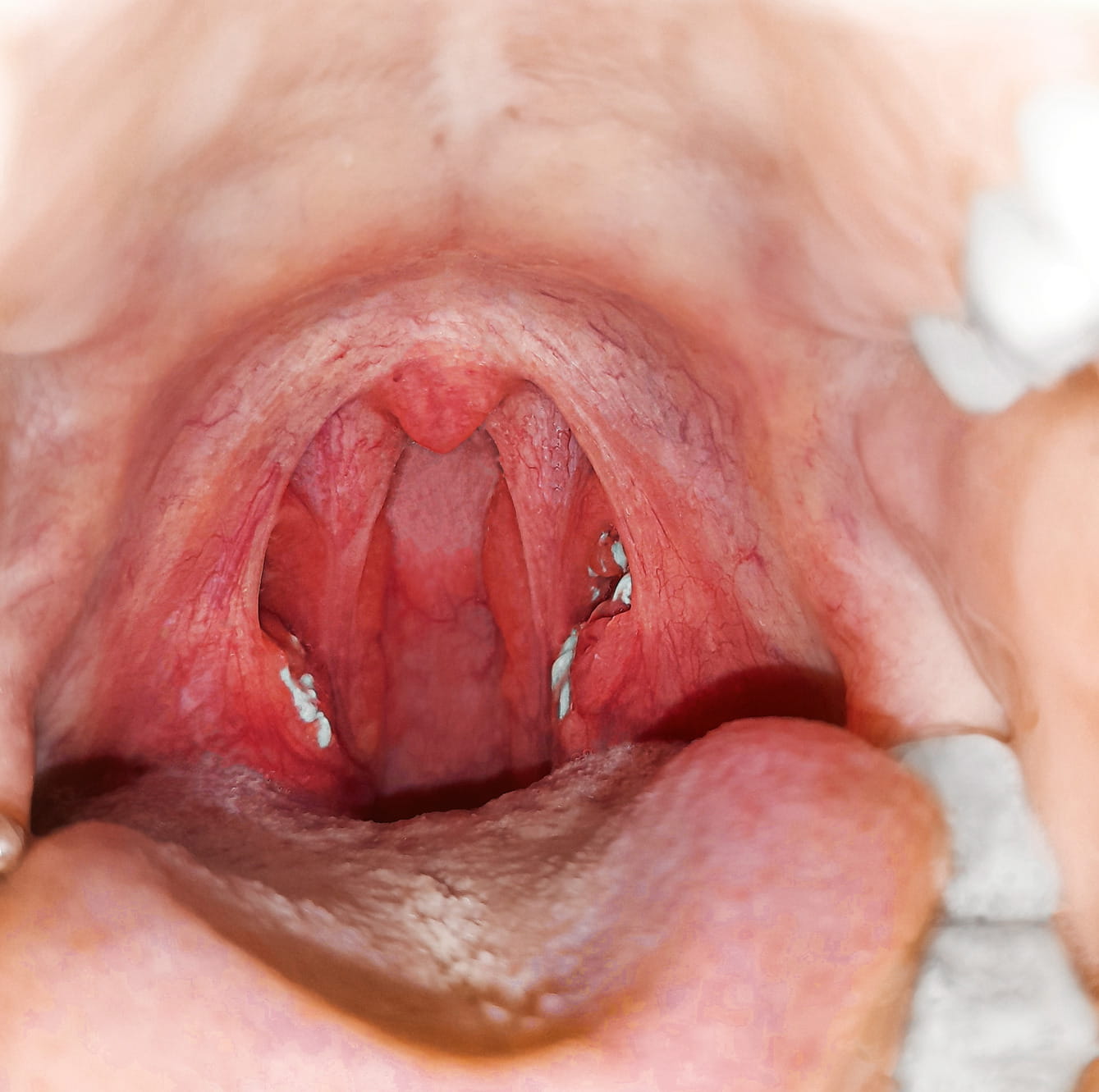
Tonsil stones, also known as tonsilloliths, are small deposits that can form within the crevices of the tonsils. They develop when debris such as food particles, bacteria, and dead cells become trapped and gradually harden. Some individuals may notice symptoms such as bad breath, throat discomfort, a sensation of something stuck in the throat, or difficulty swallowing. Tonsil stone removal is a procedure that clears these deposits from the tonsils after an examination of the throat. In some cases, removal may help relieve symptoms when tonsil stones are the underlying cause.

Types of Tonsil Stone Removal
Several approaches may be considered for tonsil stone removal, depending on the size of the stones, the frequency of recurrence, and the individual’s symptoms. After examining the tonsils, a doctor may recommend one of the following treatment methods.
Manual Removal (Curettage)
Manual removal involves gently extracting visible tonsil stones using medical instruments designed for throat procedures. The stones are carefully lifted from the small crevices of the tonsils under direct visual guidance. This approach may be used when the stones are accessible and limited in number.
Laser Tonsil Cryptolysis
Laser tonsil cryptolysis is a procedure that reshapes or smooths the small pockets in the tonsils where stones tend to form. By reducing the depth of these crevices, the procedure aims to make it more difficult for debris to collect and form stones in the future.
Coblation Cryptolysis
Coblation cryptolysis uses controlled energy to modify the surface of the tonsils and reduce the spaces where debris can accumulate. This technique focuses on altering the tonsil crypts while preserving most of the surrounding tonsil tissue.
Tonsillectomy
Tonsillectomy involves the surgical removal of the tonsils. This option may be considered when tonsil stones occur frequently or are associated with ongoing infections or other persistent symptoms.
Tonsillotomy
Tonsillotomy is a procedure that reduces the size of the tonsils rather than removing them entirely. By decreasing the bulk of the tonsil tissue and the number of crevices present, it may help lower the likelihood of stone formation.

Who May Benefit From Tonsil Stone Removal
Some individuals develop tonsil stones occasionally without significant symptoms. Others may experience persistent discomfort or recurring stones that interfere with daily activities. In these situations, tonsil stone removal may be considered after a medical evaluation.
Individuals With Persistent Bad Breath (Halitosis)
Tonsil stones may contribute to persistent bad breath because bacteria and debris can accumulate within the stones. Removing the stones may help address this symptom when tonsil stones are the underlying cause.
Individuals With Recurrent or Persistent Sore Throats
Some people experience repeated throat irritation or soreness when tonsil stones form within the tonsil crevices. In these cases, removing the stones may help reduce discomfort related to the buildup.
Individuals With Large or Impacted Stones
Larger stones or stones that are lodged deeply within the tonsils may cause noticeable throat irritation or a sensation of something stuck in the throat. Removal may be considered when these stones begin to cause symptoms.
Individuals With Chronic Tonsillitis
Tonsil stones may sometimes occur alongside ongoing inflammation or infection of the tonsils. When both conditions are present, removal of the stones or other treatment approaches may be discussed during the consultation.
Individuals With Difficulty Swallowing
When tonsil stones grow larger or become lodged in the tonsil crypts, some people may notice discomfort when swallowing. Removing the stones may help relieve this sensation when the stones are contributing to the problem.
Individuals With Visible Stones and Discomfort
Some individuals are able to see or feel stones lodged within the tonsils. If these stones cause irritation, throat discomfort, or persistent symptoms, removal may be considered following an examination.
Who Should Avoid Tonsil Stone Removal
Not all individuals with tonsil stones require medical removal. In some situations, a doctor may advise monitoring the condition or considering alternative management approaches before proceeding with tonsil stone removal.
Individuals Without Symptoms
Some people may have small tonsil stones without experiencing discomfort or other symptoms. When the stones do not cause bad breath, throat irritation, or swallowing difficulties, medical removal may not be necessary.
Individuals Attempting Home Removal With Sharp Objects
Using sharp objects or tools at home to remove tonsil stones can irritate the tonsils or injure surrounding tissues. Individuals who attempt removal without medical guidance may push debris deeper into the tonsil crevices or cause bleeding.
Individuals With Conditions That Increase Infection Risk
Certain medical conditions may increase the likelihood of infection after procedures involving the throat. In these situations, a doctor may first review the individual’s overall health before deciding whether removal is appropriate.
Individuals With Higher Surgical Risk
For procedures that involve surgery, such as tonsillectomy, the doctor may assess factors such as general health, current medical conditions, and possible risks related to anaesthesia. This helps determine whether surgical treatment is suitable.
The Tonsil Stone Removal Procedure
The method used for tonsil stone removal depends on the size and location of the stones, as well as the frequency with which they occur. A doctor will usually examine the throat to determine the most appropriate approach.
Manual Extraction
When tonsil stones are visible and accessible, they may be gently removed using medical instruments designed for throat procedures. The doctor carefully extracts the stones from the tonsil crevices while observing the area under proper lighting.
Tonsillectomy
In cases where tonsil stones occur repeatedly or are associated with ongoing tonsil infections, surgical removal of the tonsils may be discussed. This procedure removes the tonsil tissue where stones commonly form.
Laser or Radiofrequency Procedures
Laser or radiofrequency techniques may be used to modify the surface of the tonsils and reduce the depth of the crevices where debris can accumulate. By altering these pockets, the likelihood of stone formation may be reduced in some individuals.
Schedule Your Consultation With Dr Dennis Chua For a Diagnosis And Personalised Treatment Options.
Risks and Side Effects of Tonsil Stone Removal
As with many medical procedures, tonsil stone removal may involve certain risks depending on the treatment method used. Most side effects are temporary, but individuals should seek medical attention if symptoms persist or worsen.
Bleeding
Minor bleeding may occur during or after procedures involving the tonsils, particularly when the tissue is irritated or when surgical treatment is performed. Patients are usually advised to monitor for signs of persistent bleeding following the procedure.
Severe Pain
Some individuals may experience throat pain after procedures involving the tonsils. The level of discomfort may vary depending on the type of treatment performed, especially if surgical procedures such as tonsillectomy are involved.
Breathing Issues
Swelling in the throat area may occur after certain procedures. In uncommon situations, swelling could temporarily affect breathing or cause a sensation of tightness in the throat.
Anaesthesia Reactions
Procedures that require anaesthesia may carry a small risk of reactions to the medications used. Patients are usually assessed beforehand to identify any relevant medical history that may affect the use of anaesthesia.
Voice Changes
Temporary voice changes or throat sensitivity may occur following procedures involving the tonsils. These changes are usually related to swelling or irritation in the throat and often improve as healing takes place.
Recovery and Aftercare Following Tonsil Stone Removal
Recovery after tonsil stone removal can vary depending on the treatment method used. While minor procedures may require little recovery time, surgical treatments involving the tonsils may require a longer healing period.
Pain Management
Some throat discomfort may occur during the recovery period, particularly after procedures involving the tonsils. Pain relief medications may be recommended to help manage symptoms while the throat heals.
Hydration
Drinking adequate fluids may help keep the throat moist and support the healing process. Cool or room-temperature liquids are often easier to tolerate during the early stages of recovery.
Diet
Soft foods may be easier to swallow during the initial recovery period. Foods that are very hot, spicy, or hard in texture may irritate the throat and are sometimes avoided until healing progresses.
Activity
Strenuous activities may be limited for a short period following procedures involving the tonsils. Rest and gradual return to normal activities may help support recovery.
Wound Care
When surgical procedures such as tonsillectomy are performed, the tonsil area gradually heals over time. Patients are usually given instructions on how to monitor their symptoms and when to seek medical advice if unusual bleeding or persistent pain occurs.
Cost of Tonsil Stone Removal
The cost of tonsil stone removal may vary depending on the type of procedure performed and the individual’s clinical condition. An ENT consultation is typically required to examine the throat and determine the most appropriate treatment approach before the procedure is carried out.
Factors That May Influence the Cost
Several factors may affect the overall cost of treatment. These may include the size and number of tonsil stones, whether the stones recur frequently, and the type of procedure recommended. Procedures performed in a clinic setting may differ in cost from those that involve surgical treatment.
Examples of Procedure Costs
In some cases, tonsil stone removal may be performed as a minor procedure during a consultation. When more extensive treatments such as tonsillectomy are considered, additional factors such as operating facility fees and anaesthesia may contribute to the total cost.
Payment and Financial Considerations
Patients who have medical insurance may wish to check whether consultation or procedure fees are eligible for claims. Clinic staff may also be able to provide information about estimated fees and payment arrangements before treatment is scheduled.
Frequently Asked Questions
What are tonsil stones and why do they form?
Tonsil stones are small deposits that form when debris such as food particles, bacteria, and dead cells become trapped in the crevices of the tonsils. Over time, this material may harden and form small stones. These stones can sometimes cause symptoms such as bad breath, throat discomfort, or the sensation of something lodged in the throat.
Can tonsil stones go away on their own?
In some cases, small tonsil stones may dislodge naturally during swallowing, coughing, or gargling. However, larger stones or stones that form repeatedly may remain lodged in the tonsil crevices and cause ongoing symptoms. When this occurs, medical evaluation at an ENT clinic in Singapore may help determine whether removal is appropriate.
Are tonsil stones related to other ear, nose, or throat conditions?
Tonsil stones can occur in individuals with deep tonsil crypts where debris may collect more easily. Some people may also experience other nasal or throat conditions that contribute to throat discomfort or congestion. For example, structural nasal conditions such as a deviated nasal septum may sometimes affect breathing patterns, which can influence dryness or irritation in the throat.
Is tonsil stone removal painful?
The level of discomfort depends on the size of the stone and the removal method used. Minor procedures to remove visible stones are usually brief and may cause only mild throat irritation. Procedures involving the tonsils may lead to temporary soreness during the recovery period.
When should I see a doctor for tonsil stones?
Medical consultation may be helpful if tonsil stones occur frequently, cause persistent bad breath, or lead to throat discomfort or swallowing difficulties. A doctor can examine the throat and discuss whether removal or other treatment approaches may be considered.
Where can I learn more about the clinic and doctor?
If you would like more information about the clinic, available services, or the doctor’s background, you may visit our About Us page. This page provides additional details about the practice and the care provided to patients seeking assessment for ear, nose, and throat conditions.


Contact Form
Feel free to contact, We are more than happy to assist you! We will get back to you as soon as possible.
 ENT Surgeons Medical Centre