

- Home >
- Adult & Kids ENT >
- Ear Wax Removal
Ear Wax Removal in Singapore
Ear Wax Removal
Ear wax, also known as cerumen, helps protect the ear canal by trapping dust and debris before they reach deeper parts of the ear. In most people, ear wax moves outward naturally and falls away on its own. However, wax may sometimes build up and become impacted, which can lead to symptoms such as ear blockage, reduced hearing, discomfort, ringing in the ears, or dizziness. Ear wax removal is a medical procedure used to safely clear excess or impacted wax from the ear canal after an examination by an ENT specialist.d spaces located in your forehead, cheeks, and nose. This condition often leads to symptoms such as nasal congestion, facial pressure, headaches, and breathing difficulties.
In Singapore, sinus problems are particularly common due to the humid climate and high levels of airborne allergens. These environmental factors, along with bacterial or viral infections and allergic reactions, can cause the sinuses to become inflamed or blocked. When this happens, the sinuses may fill with fluid, leading to pain and pressure in the face, a stuffy nose, and other related symptoms.
Types of Ear Wax Removal
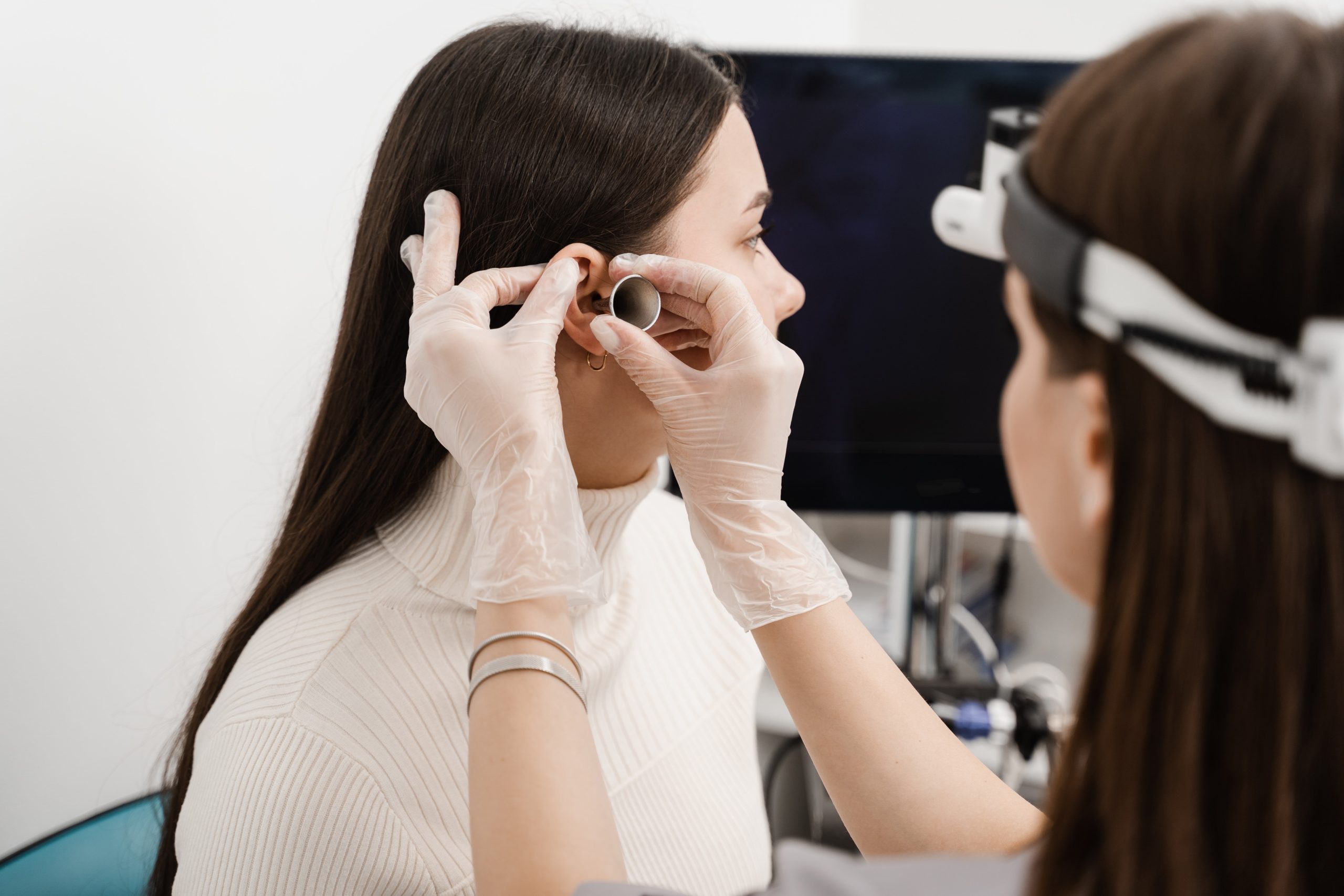
Different techniques may be used for ear wax removal, depending on how much wax is present and whether it has become hardened or impacted. After examining the ear canal, an ENT specialist may recommend one of the following methods to safely clear the blockage.
Microsuction
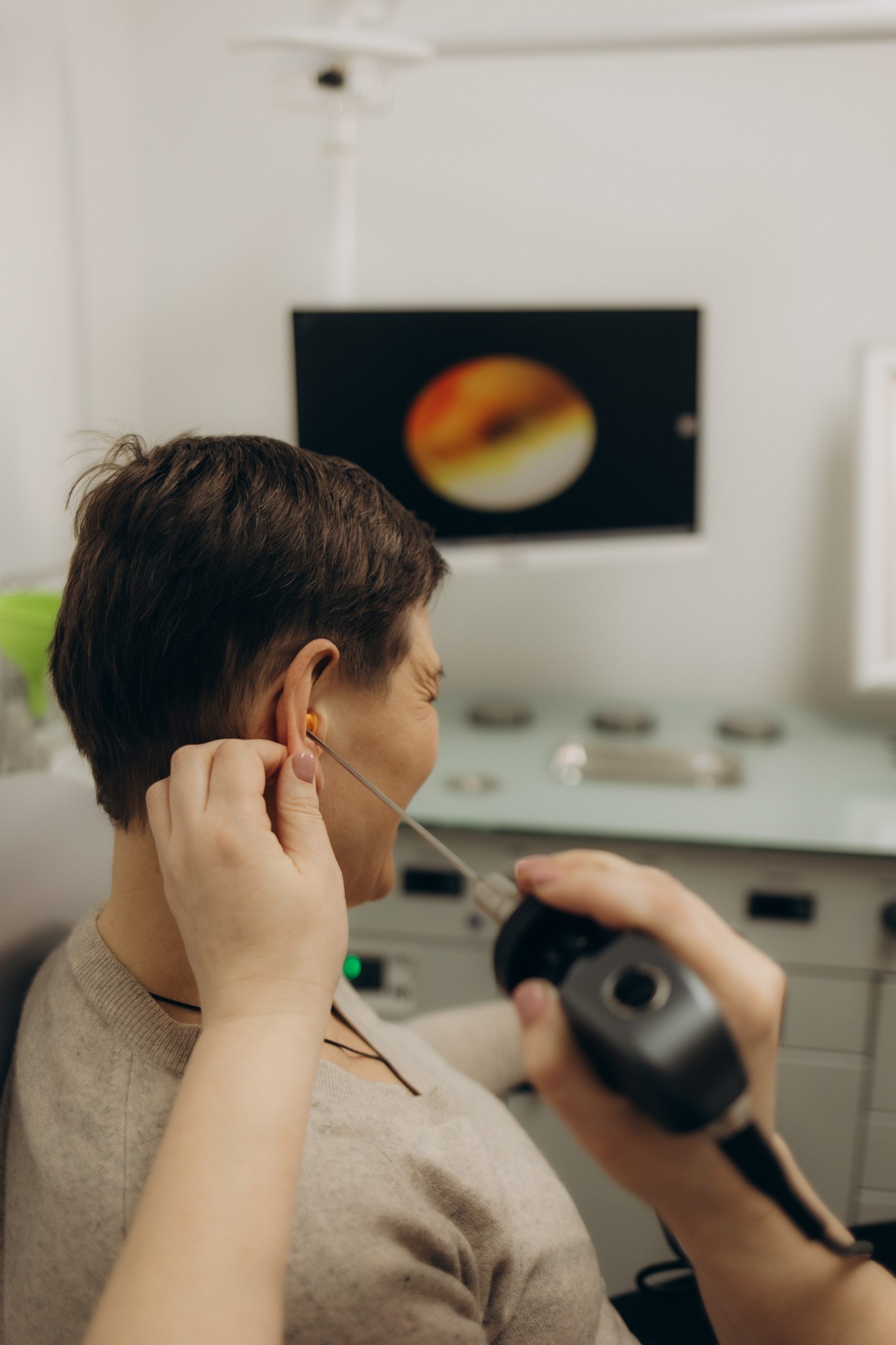
Microsuction is a method that uses gentle suction to remove wax from the ear canal. During the procedure, a small suction device is placed near the wax while the ear is examined under magnification. The suction draws out the wax without introducing liquid into the ear. This method is often used when wax is firmly lodged or when a clear view of the ear canal is needed during removal.
Ear Irrigation (Syringing)
Ear irrigation, sometimes called syringing, involves flushing the ear canal with a controlled stream of water or saline solution. The liquid helps soften and dislodge the wax so that it can be washed out of the ear. This technique may be used when the wax is softer or located closer to the outer part of the ear canal.
Manual Extraction (Instrumentation)
Manual extraction involves the use of small medical instruments designed for ear procedures. Tools such as curettes or forceps may be used to gently lift or remove wax from the ear canal. This method is sometimes chosen when the wax is visible and can be carefully removed under direct visual guidance.
Who May Benefit From Ear Wax Removal
Ear wax usually moves out of the ear canal naturally. However, some individuals may experience wax buildup that leads to discomfort or hearing changes. In these situations, ear wax removal may be considered after an examination of the ear.
-
Individuals With Ear Blockage or Discomfort
Some people may develop symptoms when wax accumulates inside the ear canal. These symptoms can include a feeling of fullness in the ear, reduced hearing, ringing in the ear, or mild discomfort. Removing the excess wax may help relieve these symptoms when wax buildup is the underlying cause.
-
Hearing Aid Users
People who wear hearing aids may experience ear wax buildup more frequently. Hearing aids can sometimes prevent wax from moving out of the ear canal naturally, allowing it to accumulate over time. Periodic ear examinations may help determine whether wax removal is necessary.
-
Individuals With Narrow or Curved Ear Canals
Some individuals naturally have ear canals that are narrow or shaped in a way that makes it harder for wax to move outward. In these cases, wax may collect more easily and occasionally form a blockage. Removal may be considered if wax buildup begins to cause symptoms.
-
Children
Children may sometimes develop ear wax buildup, especially if they frequently insert objects such as cotton buds into their ears. When wax accumulates and causes symptoms, an assessment can help determine whether removal is needed.
-
Older Adults
Changes in ear wax consistency may occur with age, sometimes making the wax drier or harder. This can increase the likelihood of wax remaining inside the ear canal. If symptoms such as hearing changes or ear blockage develop, an examination may help identify whether wax buildup is present.
Who Should Avoid Ear Wax Removal
Although ear wax removal is commonly performed, certain situations may require additional assessment before the procedure is considered. An ENT specialist will usually examine the ear and review the individual’s medical history to determine whether removal is appropriate.
Perforated Eardrum
Individuals with a perforated or ruptured eardrum may need careful evaluation before any ear wax removal procedure is performed. Some techniques, particularly those involving fluid, may not be suitable when there is an opening in the eardrum.
Previous Ear Surgery
People who have undergone ear surgery may have structural changes within the ear canal or middle ear. Because of these changes, certain ear wax removal methods may require modification or may not be appropriate depending on the surgical history.
Active Ear Infection or Significant Ear Pain
If there is an active ear infection, inflammation, or significant pain in the ear, removal procedures may sometimes be postponed until the underlying condition has been assessed and managed. This helps reduce the risk of worsening irritation within the ear canal.
Hearing With Only One Functioning Ear
Individuals who rely primarily on hearing from one ear may require additional caution when procedures are performed in that ear. A careful assessment allows the doctor to determine whether ear wax removal should proceed and which method may be suitable.
Recent Ear Trauma
Recent injury to the ear or surrounding structures may make the ear canal more sensitive. In such cases, further evaluation may be needed before considering wax removal.
Certain Medical Conditions
Some medical conditions that affect the ear or balance system may influence whether ear wax removal is appropriate. An ENT consultation helps ensure that the procedure is considered in the context of the individual’s overall ear health.
The Ear Wax Removal Procedure
Before performing ear wax removal, the ear is usually examined to confirm that wax buildup is present and to determine the most suitable removal method. The procedure is typically performed in a clinic setting and may vary depending on the amount and consistency of the wax.
Preparation
Preparation usually begins with an examination of the ear canal using a lighted instrument. This allows the doctor to assess the location and condition of the wax, as well as check the eardrum and surrounding structures. In some cases, ear drops may be recommended beforehand to help soften hardened wax.
Safety Precautions
During the procedure, the ear canal is observed carefully while the wax is removed using the selected technique. Specialised medical tools or equipment are used to help minimise irritation to the ear canal and surrounding tissues. The procedure is performed under direct visual guidance to ensure that the removal is carried out carefully.
Pain Level
Most individuals tolerate ear wax removal well. Some people may experience mild discomfort or a temporary sensation of pressure during the procedure, particularly if the wax is firmly lodged in the ear canal. If discomfort occurs, the procedure can usually be paused and adjusted as needed.
Duration
The time required for ear wax removal can vary depending on the amount and consistency of the wax. In many cases, the procedure takes only a few minutes to complete once the ear has been examined and the appropriate method has been selected.
Schedule Your Consultation With Dr Dennis Chua For a Diagnosis And Personalised Treatment Options.
Risks and Side Effects of Ear Wax Removal
While ear wax removal is commonly performed, some individuals may experience temporary side effects depending on the method used and the condition of the ear canal. These effects are usually mild and resolve on their own, but patients should seek medical attention if symptoms persist or worsen.
Temporary Dizziness or Vertigo
Some people may experience brief dizziness during or after the procedure. This can occur when the ear canal is stimulated or when temperature changes affect the inner ear, particularly during irrigation. The sensation usually settles shortly after the procedure.
Eardrum Perforation
In rare cases, the eardrum may be injured during wax removal. This risk is generally reduced when the procedure is performed under direct visual guidance and with appropriate medical instruments.
Infection (Otitis Externa)
Occasionally, irritation of the ear canal may lead to inflammation or infection, sometimes referred to as otitis externa. Symptoms may include ear pain, redness, swelling, or discharge from the ear.
Pain or Discomfort
Some individuals may feel mild discomfort or sensitivity during the procedure, particularly if the wax is hardened or tightly impacted. This sensation is usually temporary and subsides once the wax has been removed.
Recovery and Aftercare Following Ear Wax Removal
Most individuals can return to their usual activities shortly after ear wax removal. However, simple aftercare measures may help keep the ear canal comfortable while it settles after the procedure.
Avoid Submerging the Ear in Water
It may be advisable to avoid swimming or submerging the ear in water for a short period after the procedure, particularly if the ear canal is slightly irritated.
Do Not Insert Objects Into the Ear
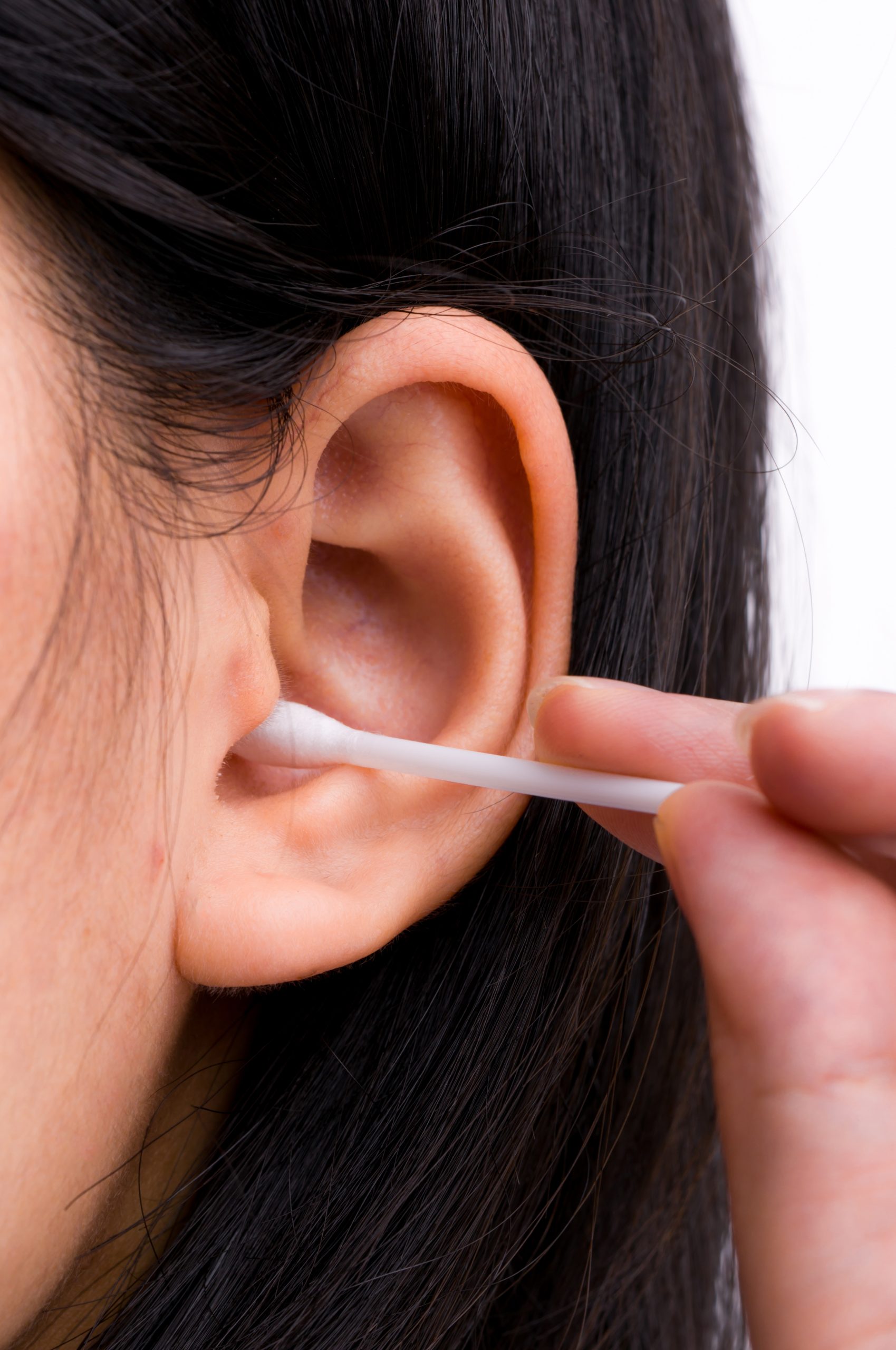
Objects such as cotton buds or other items should not be inserted into the ear canal. These may push wax deeper into the ear or irritate the ear canal.
Managing Temporary Discomfort
Some individuals may notice mild sensitivity in the ear following wax removal. This usually settles within a short time as the ear canal returns to its normal condition.
Rest if Dizziness Occurs
If temporary dizziness is experienced after the procedure, resting for a short period may help until the sensation passes. If dizziness persists or becomes severe, medical advice should be sought.
Cost of Ear Wax Removal
The cost of ear wax removal may vary depending on the individual’s condition and the type of procedure required. An ENT consultation is usually needed to examine the ear canal and determine the most appropriate method of removal.
Factors That May Influence the Cost
Several factors can affect the overall cost of the procedure. These may include the amount and consistency of the ear wax, whether the wax is impacted, and the technique used for removal. Additional assessment or follow-up care may also influence the total cost.
Examples of Procedure Costs
In some clinics, ear wax removal may be charged as part of a consultation or as a separate procedure fee. The cost may vary depending on whether one or both ears require treatment and the method used to remove the wax.
Payment and Financial Considerations
Patients who have medical insurance or healthcare coverage may wish to check whether consultation or procedure fees are eligible for claims. Clinic staff may also be able to provide information about estimated fees before the procedure is performed.
Frequently Asked Questions
Is ear wax removal necessary for everyone?
Ear wax does not usually need to be removed unless it causes symptoms such as ear blockage, hearing changes, discomfort, or ringing in the ears. In many people, wax moves out of the ear canal naturally. Removal is typically considered when wax becomes impacted or begins to interfere with hearing or examination of the ear.
Can I remove ear wax at home?
Many home remedies involve cotton buds or other objects placed into the ear canal. These methods may push wax deeper into the ear rather than removing it. If symptoms such as ear blockage or hearing changes develop, it may be advisable to have the ear examined at an ENT clinic in Singapore to determine whether wax buildup is present.
How do I know if my symptoms are caused by ear wax?
Symptoms such as ear fullness, reduced hearing, ringing in the ear, or mild dizziness may sometimes occur when wax accumulates in the ear canal. However, these symptoms may also be associated with other ear or nasal conditions. For example, nasal obstruction caused by a deviated nasal septum may sometimes contribute to pressure-related ear symptoms, which is why a proper medical assessment is useful.
Is ear wax removal painful?
Most individuals tolerate ear wax removal well. Some people may feel mild discomfort or pressure during the procedure, particularly if the wax is hardened or tightly impacted. The doctor may adjust the technique if discomfort occurs.
How long does the procedure take?
In many cases, ear wax removal takes only a few minutes once the ear has been examined and the appropriate method has been selected. The exact duration may vary depending on how much wax is present and whether it is hardened or impacted.
When should I consult an ENT specialist?
You may wish to seek medical advice if you experience persistent ear blockage, hearing changes, ear discomfort, ringing in the ears, or dizziness. These symptoms may sometimes be related to ear wax buildup but can also occur with other ear, nose, or throat conditions. If you would like to learn more about the doctor’s background and clinical services, you may visit our About Us page for additional information.


Contact Form
Feel free to contact, We are more than happy to assist you! We will get back to you as soon as possible.
 ENT Surgeons Medical Centre