
- Home >
- Adult & Kids ENT >
- Rhinoplasty Surgery
Rhinoplasty Surgery
What Rhinoplasty Surgery Does
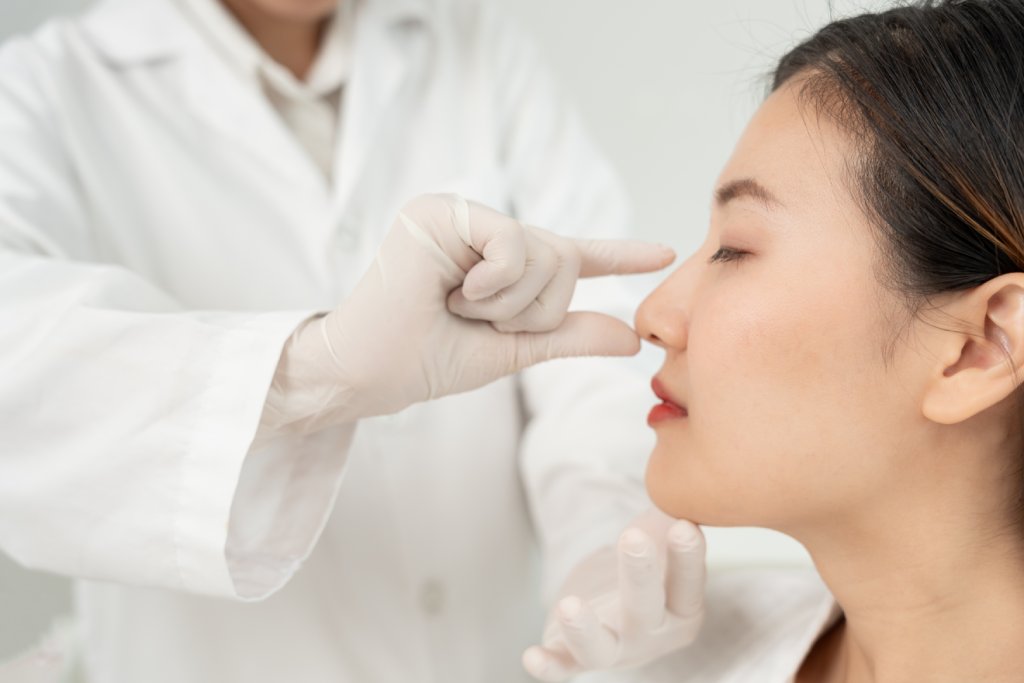
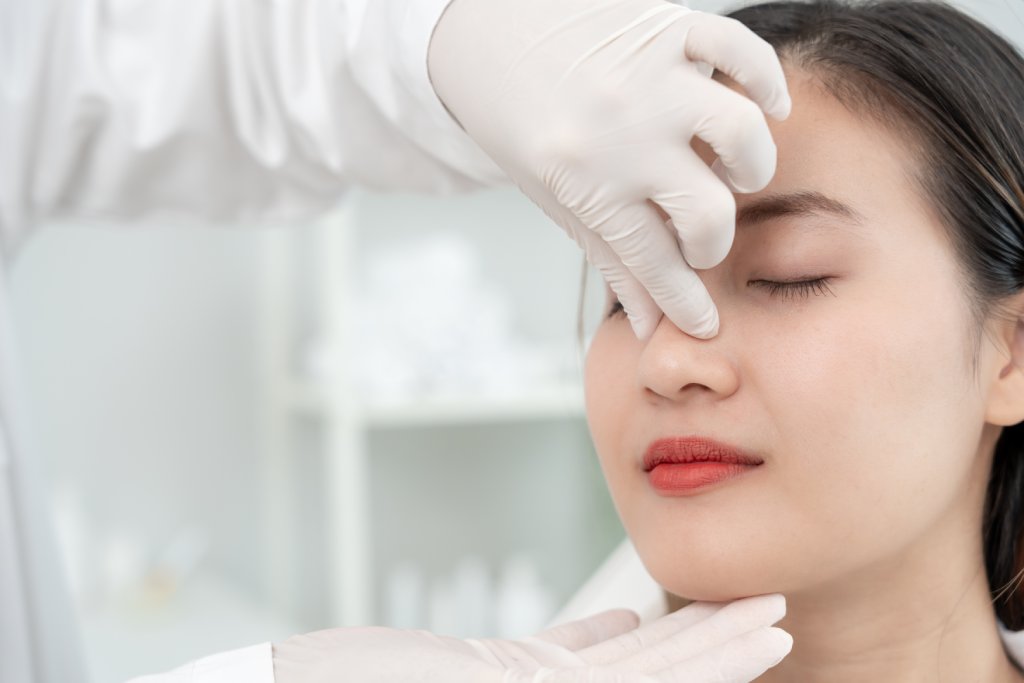
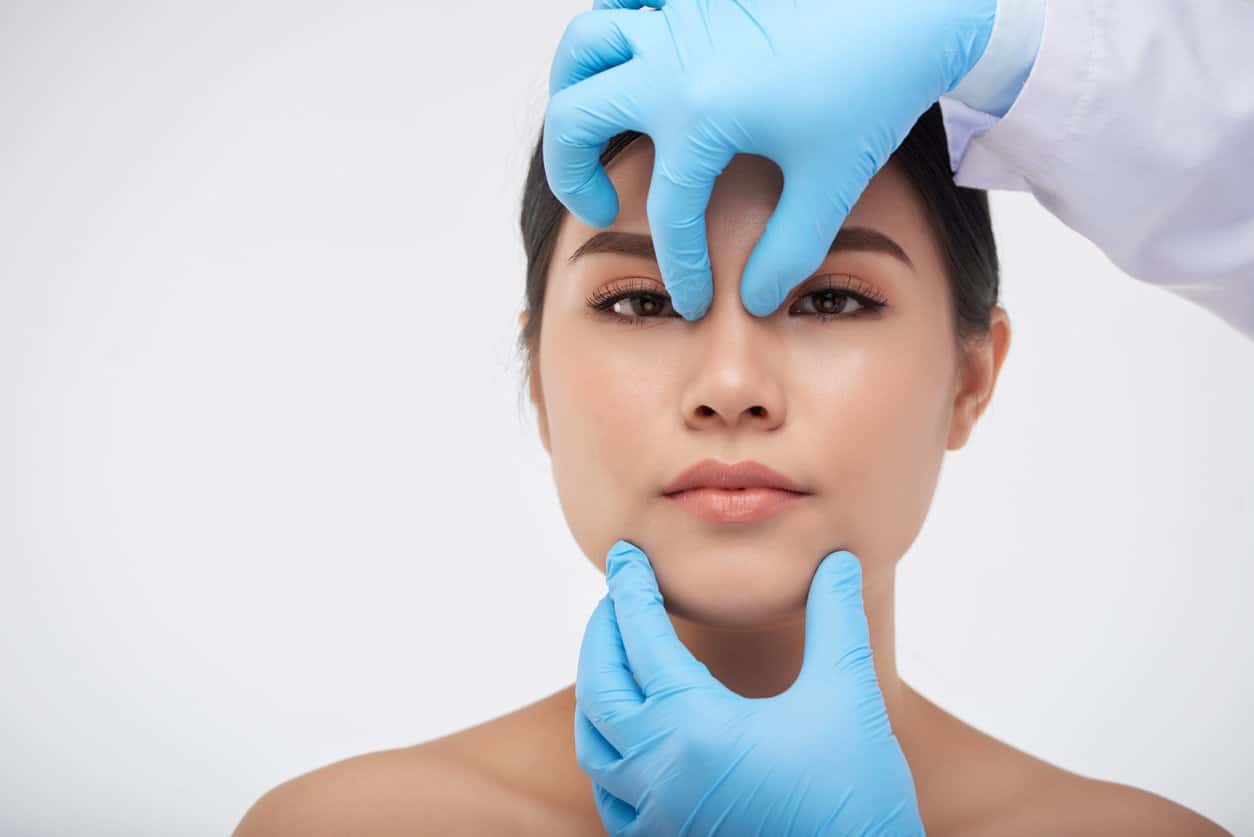
Rhinoplasty is a surgical procedure that changes the shape or structure of the nose. It may be performed for cosmetic reasons to alter the appearance of the nose, or for functional reasons to improve breathing when structural issues affect the nasal passages. During a consultation, individuals can discuss their concerns, expectations, and the possible outcomes of surgery. Recovery periods may vary depending on the extent of the procedure, and patients are usually given post-operative care instructions to support the healing process. In some cases, rhinoplasty may also involve reconstructing internal nasal structures to improve airflow and nasal function.
What are the Types of Rhinoplasty?
Open Rhinoplasty
Closed Rhinoplasty
Who Can Benefit From Rhinoplasty Surgery
Rhinoplasty may be considered for individuals who wish to change the appearance of the nose or address structural issues that affect nasal function. During a consultation, the doctor will assess the nasal structure, discuss the individual’s concerns, and determine whether surgery may be appropriate.
Individuals Seeking Cosmetic Changes
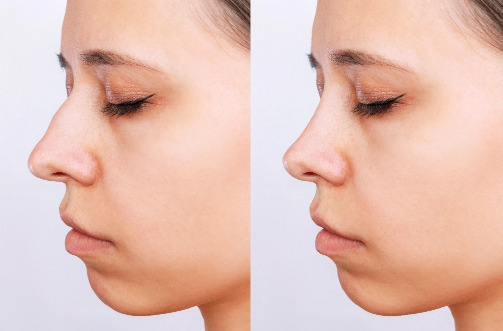
Some individuals may consider rhinoplasty to alter the external shape or proportions of the nose. Concerns may include the size of the nose, a prominent nasal hump, asymmetry, or changes to the nasal tip. The procedure may involve modifying bone, cartilage, or soft tissue to achieve the desired structural changes.
Individuals With Breathing Difficulties
Rhinoplasty may also be considered when structural issues inside the nose affect breathing. Conditions such as a deviated septum, narrow nasal passages, or other structural abnormalities may contribute to airflow obstruction. In these cases, surgery may focus on correcting the internal nasal structure to support better airflow.
Individuals Requiring Nasal Reconstruction
Some individuals may require rhinoplasty as part of reconstructive treatment following injury, previous surgery, or conditions that affect the nasal structure. The procedure may involve rebuilding or reshaping parts of the nose to restore its structure and function.
Who Should Avoid Rhinoplasty Surgery
Although rhinoplasty surgery may be suitable for some individuals, it may not be appropriate in certain situations. A thorough medical evaluation helps determine whether surgery is advisable based on the individual’s health, expectations, and circumstances.
Individuals With Certain Medical Conditions
Some medical conditions may increase the risks associated with surgery or affect the healing process. The doctor may review the individual’s medical history, medications, and overall health before determining whether rhinoplasty is appropriate.
Individuals With Psychological Concerns About Appearance
Rhinoplasty involves changes to facial appearance, which may have emotional and psychological implications. Individuals who feel uncertain about their expectations or motivations for surgery may be encouraged to discuss these concerns during the consultation before making a decision.
Individuals With Lifestyle Factors That May Affect Healing
Certain lifestyle factors, such as smoking or activities that may affect recovery, can influence the healing process after surgery. In some cases, individuals may be advised to modify these habits before considering rhinoplasty.
Younger Individuals Whose Facial Growth Is Not Complete
Rhinoplasty is usually considered once facial growth has stabilised. For younger individuals, the doctor may recommend postponing surgery until the nasal structures have fully developed.
Individuals With Previous Nasal Procedures
People who have undergone previous nasal surgery may require additional evaluation before further procedures are considered. The doctor may assess the existing nasal structure and discuss whether revision surgery is appropriate.
Risks of Rhinoplasty
Rhinoplasty is generally safe, but it is a surgical procedure that carries certain risks. It’s important to be aware of these potential complications to make an informed decision.
Infection
As with any surgery, there is a risk of infection following rhinoplasty. Proper postoperative care and following your surgeon’s instructions can minimise this risk.
Bleeding
Bleeding is a common risk associated with the procedure. While minor bleeding is typical, excessive bleeding may require medical intervention.
Anaesthesia Complications
General anaesthesia is commonly used during surgery, and while complications are rare, they can include reactions to the anaesthesia, respiratory issues, or cardiovascular problems.
Scarring
Incisions made during rhinoplasty can result in visible scars, especially if the procedure involves open surgery. Our surgeon strives to make incisions in less noticeable areas, but scarring remains a possibility.
Nasal Obstruction
Changes to the nasal structure can sometimes lead to nasal obstruction or difficulty breathing. This may require additional procedures to correct.
Asymmetry and Dissatisfaction
Achieving perfect symmetry is challenging, and there is a risk that patients may be dissatisfied with the aesthetic results. In some cases, a revision rhinoplasty might be needed.
Numbness
Temporary or permanent numbness in the nasal area or upper lip can occur due to nerve damage during surgery.
Prolonged Swelling
While swelling is expected post-surgery, in some cases, it can persist longer than usual, delaying the final results.
Skin Discolouration
Bruising and skin discolouration around the nose and eyes are common post-surgery and typically fade over time. In rare cases, it can be prolonged or permanent.
What to Expect Before Rhinoplasty
Preparing for rhinoplasty in Singapore involves several important steps to help achieve the best possible outcomes. Here’s what you should expect:
Initial Consultation
Medical Evaluation
Expectation Setting
Preoperative Instructions
Planning for Recovery
Lifestyle Adjustments
Mental Preparation
Informed Consent
What to Expect After the Procedure
Postoperative Monitoring
Pain & Discomfort
Swelling & Bruising
Follow-Up Appointments
Activity Restrictions
Final Results
Post-Recovery Tips
Taking care of yourself after rhinoplasty is crucial to facilitate a smooth recovery and achieve the desired results. Here are some tips to help you through the healing process:
Keep Your Head Elevated
Sleeping with your head elevated can reduce swelling and bruising. Use extra pillows or a wedge pillow to keep your head above your heart level, especially the first week after surgery.
Apply Cold Compresses
Cold compresses on your nose and cheeks can help reduce swelling and discomfort. Apply them for short intervals throughout the day, particularly during the initial days of recovery.
Avoid Strenuous Activities
Refrain from strenuous physical activities, heavy lifting, and intense exercise for at least four to six weeks. Gentle walking is encouraged to promote blood circulation without straining the body.
Maintain a Nutritious Diet
Eating a balanced diet rich in vitamins and minerals supports the healing process. Focus on consuming fruits, vegetables, lean proteins, and whole grains. Staying hydrated is also vital for recovery.
Follow Your Surgeon’s Instructions
Comply strictly with your surgeon’s postoperative care instructions. This includes taking prescribed medications, attending follow-up appointments, and avoiding activities that could affect your healing nose.
Testimonials
Dr Dennis Chua is an Ear, Nose, and Throat (ENT) Doctor in Singapore, specialising in Facial Plastics & Reconstructive Surgery and helms a clinic located in Mount Elizabeth Hospital. Dr Chua completed his medical training at the National University of Singapore (NUS) before obtaining further qualifications in Edinburgh (UK). He also pursued a fellowship in the United States.
He is fully accredited as an ENT surgeon by the Ministry of Health (MOH) and Singapore Medical Council, with a specialisation in Otorhinolaryngology. Notably, Dr Chua is one of the few ENT specialists who are internationally board certified in Facial Plastics & Reconstructive Surgery, which encompasses expertise in rhinoplasty. This makes him well positioned to perform rhinoplasty in Singapore.
He is actively involved in research on rhinoplasty, regularly sharing his experience through international invitations, book chapters, and research publications. Dr Chua is dedicated to educating and mentoring young professionals in his field, offering lectures and mentorships to future medical service providers. Learn more about Dr Chua in our About Us page.
Book Chapter published by Dr Dennis Chua in Facial Plastic Surgery (Thieme) June 2015 on “Correcting the Post-traumatic Nasal Deformities”
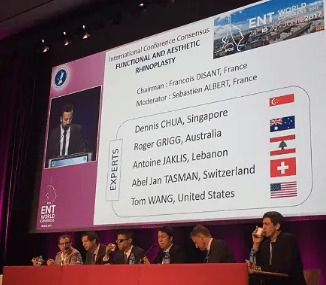
Dr Dennis Chua- Part of the International Consensus on Functional and Aesthetic Rhinoplasty, Paris IFOS ENT Meeting 2017
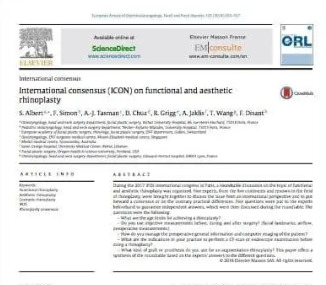
Dr Dennis Chua invited to share his experience in the “International Consensus on Functional and Aesthetic Rhinoplasty”
Dr Dennis Chua
Consultant ENT Specialist in Singapore
MRCS (Edinburgh), MMed (ENT), FAMS (ENT)
Dr Dennis Chua is a USA Fellowship-trained ENT specialist and Facial Plastic Surgeon with over 20 years of experience. He treats adults and children for a wide range of ENT conditions, including sinus and nasal disorders, allergies, snoring, ear infections, hearing loss, and thyroid or voice-related issues. A former Chief of Facial Plastic Surgery at Tan Tock Seng Hospital, Dr Dennis Chua is highly experienced in complex nose and sinus cases and serves as a Visiting Consultant at KK Women’s & Children’s Hospital.
Frequently Asked Questions
What Happens During the Rhinoplasty Procedure?
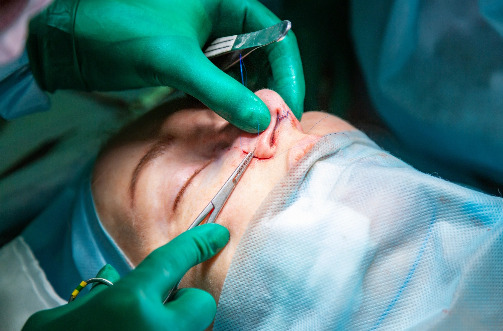
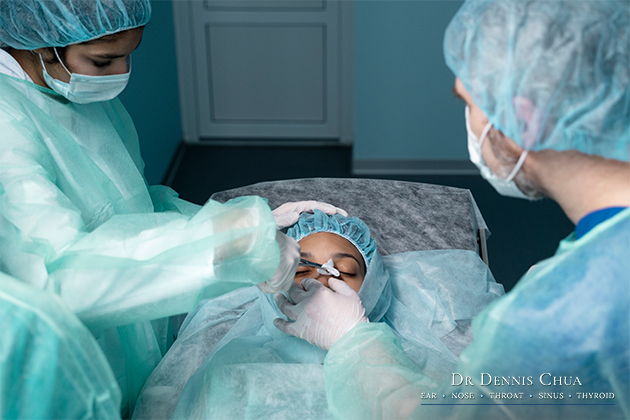
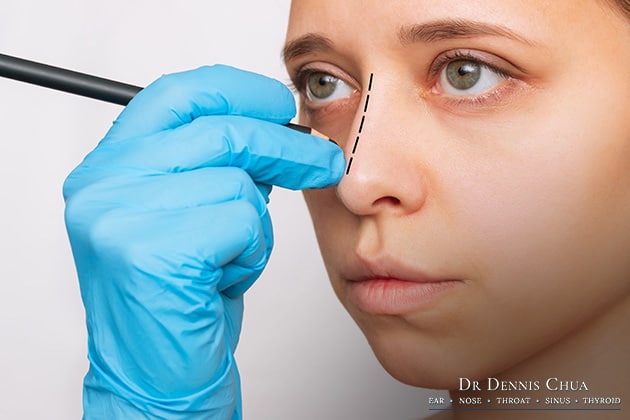
During rhinoplasty, the surgeon makes incisions, often inside the nostrils (closed rhinoplasty) or sometimes with a small external incision (open rhinoplasty), to access and reshape the bone and cartilage of the nose. The surgeon can adjust the nose’s size, shape, and symmetry according to the patient’s goals. Afterward, the incisions are closed, and the nose is typically packed with gauze or splints for support.
What is the Recovery Process Like?
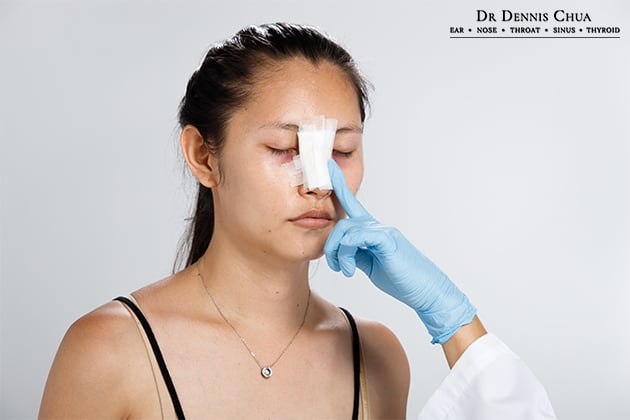
Recovery from rhinoplasty involves some swelling and bruising around the nose and eyes, which typically subsides over a few weeks. Patients should follow their surgeon’s post-operative instructions, which may include keeping the head elevated, avoiding strenuous activities, and caring for the incision sites. Full results can take several months to become apparent.
What is the Difference Between Rhinoplasty and Septoplasty?
Is Rhinoplasty a Painful Procedure?
There is some discomfort associated with the procedure during the initial recovery period. This can be managed with prescribed medications and following postoperative care instructions.
How much does surgical rhinoplasty cost in Singapore?
In Singapore, the cost of surgical rhinoplasty depends on how complex the procedure is, whether implants or cartilage grafts are used, and the extent of functional reconstruction required. According to the Ministry of Health (MOH) fee benchmarks (procedure code SM720N – Septorhinoplasty), the surgical fee for this surgery typically ranges from SGD 6,000 to SGD14,200.
Beyond the surgeon’s fee, the individual should also expect additional expenses such as anaesthesia, hospital or day-surgery facility charges, medication, surgical consumables, pre-operative consultations, imaging if needed, and post-operative reviews or aftercare. Because of these factors, the total cost can vary.
What problems can rhinoplasty correct?
Rhinoplasty can address both functional and cosmetic concerns. Functionally, it can correct breathing difficulties caused by a deviated septum, narrow nasal valves, or prior injuries. Cosmetically, it may refine the nasal tip, straighten the bridge, reduce a hump, or adjust nostril size for better balance with the rest of the face.
Is rhinoplasty suitable after nasal trauma or injury?
Absolutely. Rhinoplasty can restore the shape and function of the nose after accidents, fractures, or previous surgeries, ensuring both structural support and a natural appearance.
Contact Form
Feel free to contact, We are more than happy to assist you! We will get back to you as soon as possible.
 ENT Surgeons Medical Centre